



Can APG215 be used in cleaning products?
As a supplier of APG215, I've been frequently asked whether APG215 can be effectively used in cleaning products. In this blog, I'll explore this question in detail, drawing on scientific knowledge and industry - relevant information.
Understanding APG215
Alkyl polyglucosides (APGs), including APG215, are a class of non - ionic surfactants. They are derived from renewable raw materials such as fatty alcohols and glucose, which makes them an environmentally friendly alternative to many traditional surfactants. APG215 has unique chemical properties that give it potential in various applications.
The structure of APG215 consists of a hydrophilic sugar head group and a hydrophobic alkyl chain. This amphiphilic nature allows it to interact with both water and oil, which is a fundamental property for a surfactant used in cleaning. When added to a cleaning solution, APG215 can reduce the surface tension of water, enabling it to spread more easily and penetrate dirt and grease.
Advantages of Using APG215 in Cleaning Products
1. Environmental Friendliness
One of the most significant advantages of APG215 is its eco - friendliness. As mentioned earlier, it is made from renewable resources. Moreover, APG215 is readily biodegradable. This means that after use, it breaks down into harmless substances in the environment, reducing the long - term environmental impact compared to some synthetic surfactants that may persist in the ecosystem. For consumers who are increasingly concerned about the environmental footprint of the products they use, cleaning products formulated with APG215 are an appealing option.
2. Mildness
APG215 is extremely mild to the skin, eyes, and respiratory system. This is a crucial property for cleaning products, as users may come into direct contact with these products during use. In households with children, the elderly, or individuals with sensitive skin, mild cleaning agents are highly preferred. Using APG215 in cleaning formulations can reduce the risk of skin irritation and allergic reactions, making it a safer choice for regular use.

3. Good Foaming and Emulsifying Properties
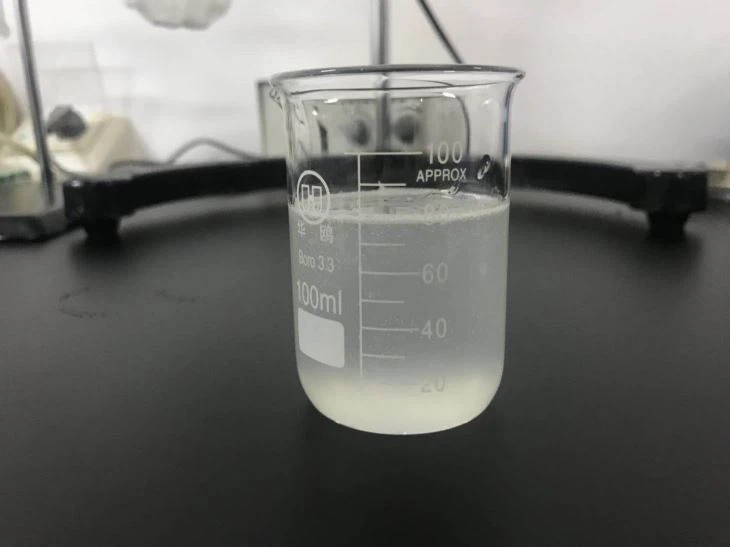
APG215 exhibits excellent foaming capabilities. In cleaning products, foam plays an important role. It helps to lift and suspend dirt particles, making them easier to rinse away. The foam also gives users a sense of cleanliness and effectiveness. Additionally, APG215 has good emulsifying properties. It can mix oil and water substances, which is essential for removing greasy stains commonly found in kitchens and bathrooms.
4. Compatibility
APG215 is compatible with a wide range of other surfactants, such as anionic, cationic, and amphoteric surfactants. This allows for the formulation of complex cleaning products that can target different types of dirt and stains. For example, by combining APG215 with an anionic surfactant, the cleaning power can be enhanced without sacrificing the mildness of the overall product.
Applications of APG215 in Different Cleaning Products
1. Dishwashing Liquids
Dishwashing liquids need to be both effective at removing grease and safe for the hands. APG215's mildness and excellent grease - cutting ability make it an ideal ingredient for dishwashing products. It can break down stubborn food residues on dishes and utensils without causing skin dryness or irritation. The good foaming property also provides a pleasant user experience during the dish - washing process.
2. All - Purpose Cleaners
All - purpose cleaners are designed to clean a variety of surfaces in the home, including countertops, floors, and appliances. APG215 can be used in these cleaners due to its ability to remove different types of dirt, from dust to oily fingerprints. Its environmental friendliness also makes it suitable for use in households where a more sustainable cleaning solution is desired.
3. Bathroom Cleaners
Bathrooms are prone to the growth of mold, mildew, and the accumulation of soap scum. APG215 can be formulated into bathroom cleaners to effectively remove these stains. Its mildness is also beneficial as it won't damage sensitive bathroom fixtures such as chrome or porcelain.
4. Laundry Detergents
In laundry detergents, APG215 can help to remove dirt and stains from clothes. It is gentle on fabrics, preventing color fading and fabric damage. Additionally, its biodegradability means that it won't contribute to water pollution when the laundry water is discharged.
Comparison with Other Similar Products
There are other alkyl polyglucosides available in the market, such as APG 0810/decyl Glucoside/CAS:68515 - 73 - 1, APG 0810H70/decyl Glucoside/CAS:68515 - 73 - 1, and Caprylyl/Decyl Glucoside APG 8170. While these products share some similarities with APG215, each has its own unique characteristics.
APG215 has a different alkyl chain length and degree of polymerization compared to the above - mentioned products. These differences can affect their performance in cleaning products. For example, APG215 may have a better balance between foaming and cleaning power in certain applications. The choice between these products depends on the specific requirements of the cleaning formulation, such as the type of dirt to be removed, the desired level of mildness, and the cost - effectiveness.
Challenges and Considerations
Although APG215 has many advantages for use in cleaning products, there are also some challenges. One of the main challenges is the relatively high cost compared to some synthetic surfactants. This can make the final cleaning products more expensive for consumers. However, as the demand for more sustainable and mild cleaning products increases, the market may be more willing to accept a slightly higher price.
Another consideration is the formulation process. APG215 may require specific formulation techniques to ensure its optimal performance. For example, the pH of the cleaning solution needs to be carefully controlled, as extreme pH values can affect the stability and effectiveness of APG215.
Conclusion
In conclusion, APG215 can definitely be used in cleaning products, and it offers many benefits. Its environmental friendliness, mildness, good foaming and emulsifying properties, and compatibility make it a valuable ingredient for a wide range of cleaning applications. While there are challenges such as cost and formulation requirements, the advantages outweigh the disadvantages, especially in today's market where consumers are more conscious of environmental and health - related issues.
If you are interested in incorporating APG215 into your cleaning product formulations or have any questions about its properties and applications, feel free to contact us for further discussions and potential procurement opportunities.
References
- Cosmetic and Detergent Surfactants: A Handbook, edited by K. Schrader.
- Surfactant Science Series, various volumes on surfactant applications in cleaning.