



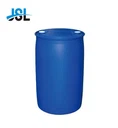
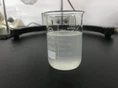
Alkyl Polyglucoside
Jeslyee Chemicals: a One-Stop Alkyl Polyglucoside Supplier
With its good reputation, our company has served dozens of customers around the world and has become a leading company in the field of chemicals and ingredients focusing on the surfactant industry.
Stable Supply
As a professional chemical company, we have our own laboratories and factories to ensure smooth supply and stable quality. Our products include alkyl polyglucosides, APG 0810, APG 0814, APG 1214, lipid layer enhancers, lauryl glucoside and other types.
One-Stop Service
Our belief is to combine high-quality products with competitive prices and strive to meet the needs of chemicals through one-stop order service and technical support. We can provide advice, solutions, product samples and any required documentation, which means you have a reliable partner in the surfactant sector.
Rich Market Experience
Our APG products have been exported to many countries and regions such as the United States, Canada, Mexico, Malaysia, Vietnam, United Arab Emirates, Russia, and Uzbekistan. Our sales staff are experienced and knowledgeable to support customers in any region.
Professional Team
We have a team of experts to recommend products based on customer needs. In addition, every order will be fulfilled within the deadline and the professional logistics team provides the shipment details according to the order. We have also set up a professional customer service team to follow up on product feedback.
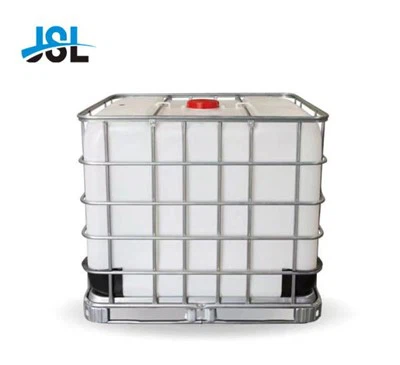

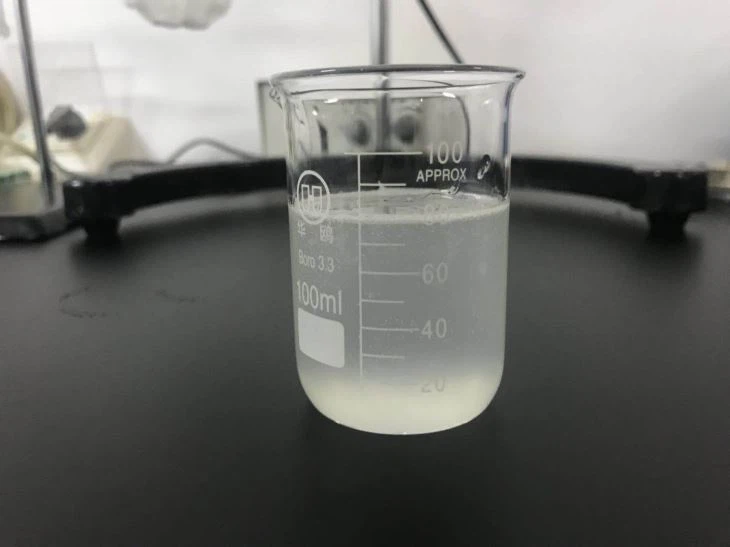
Brief Introduction to Alkyl Polyglucoside
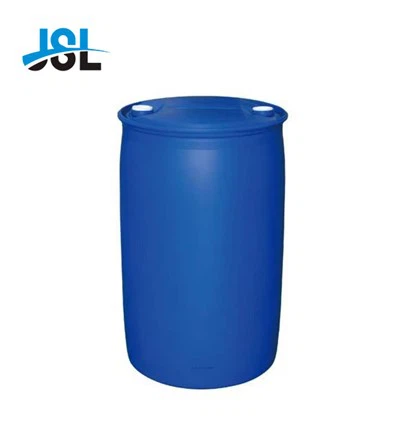
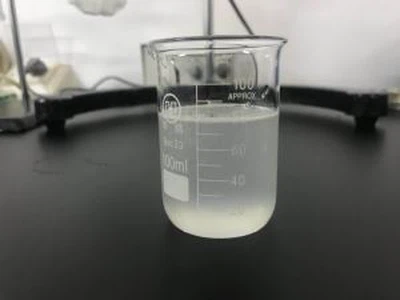
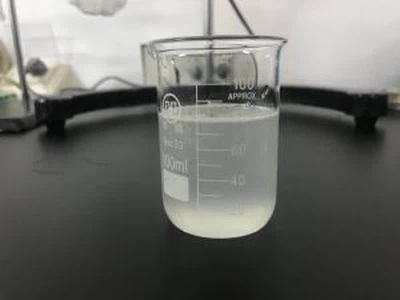
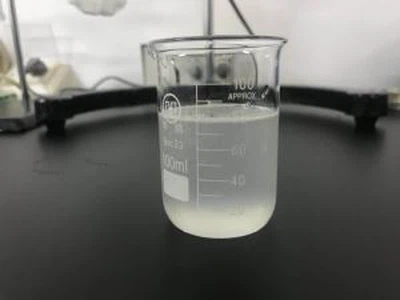
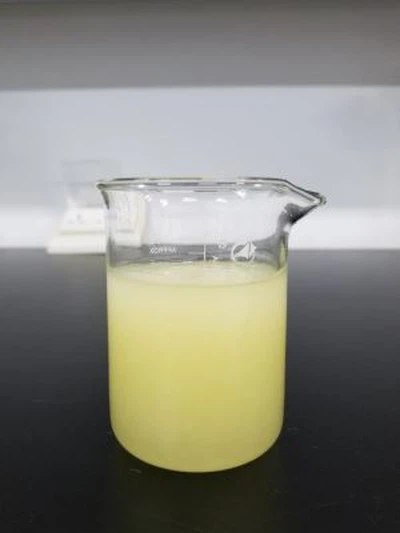
Alkyl polyglucoside is a biodegradable ingredient derived from plant starch and fatty alcohol from coconuts. It is also known as APG, Sparteine, or Triton. It is a surfactant and can often be found in personal care products, laundry products, bathroom cleaners, and other cleaning products. Alkyl polyglucoside is typically made by reacting a fatty alcohol with a sugar using an acid as a catalyst. Alkyl polyglucoside is a biodegradable ingredient that is growing in popularity due to its favorable environmental profile. It is a certified acceptable ingredient in body care and cleansing products.
How Alkyl Polyglucoside Made
Alkyl polyglucoside is produced by reacting fatty alcohols and glucose obtained from corn, coconut or palm oil. The synthesis can be done in a one-step or two-step process using butanol to form a butylglucoside, which then reacts with the fatty alcohol to produce APG. The first commercialized glucoside sold for personal care use called Glucate SS (Methyl Glucoside Sesquistearate). It was produced by reacting methanol with glucose followed by an esterification with stearic acid. Some manufacturer of APG surfactants currently uses a one-step process reacting fatty alcohol directly with glucose.

Features of Alkyl Polyglucoside
Biodegradable
Alkyl polyglucoside is a relatively new generation of commercially available environmentally friendly, mild, low-toxic, less-irritating and readily biodegradable surfactants. They have become very important as high-performance components for cosmetic preparations due to their excellent environmental and skin compatibility. Alkyl polyglucosides are derived from sugars, usually glucose derivatives, and fatty alcohols. Alkyl polyglucosides surfactants are readily biodegradable, and have very low ecotoxicity than petrochemical-based surfactants.
Green
Alkyl polyglucosides surfactants are prepared by the glycosylation of starch or monomer glucose with fatty alcohols. The optimum surface activity is obtained with an alkyl chain C 8 to C 16. For example Decyl Glucoside is formed by reacting a 10 carbon chain alcohol, decyl alcohol, with a cyclic form of glucose. Other alkyl glucoside ingredients that may be used in cosmetics include Coco Glucoside , Hexyl Glucoside ,Lauryl Glucoside ,Iso Octyl Glucoside ,Capryl/Caprylyl Glucoside and Alkyl Poly Ethoxy Carboxylate .These green surfactants are free from 1-4 dioxane which is carcinogenic.
Nonionic
Alkyl polyglucosides are ionic surfactants. They derive their polarity from having an oxygen–rich portion of the molecule at one end and a large organic molecule at the other end. The oxygen component is usually derived from short polymers of ethylene oxide or propylene oxide. Just as in water chemistry, the oxygen is a dense electron-rich atom that gives the entire molecule a partial net-negative charge which makes the whole molecule polar and able to participate in hydrogen bonding with water. Examples of other nonionic surfactants are alcohol ethoxylates, nonylphenoxy polyethylenoxy alcohols, and ethylene oxide/propylene oxide block copolymers.
Alkyl Polyglucoside Labeling Information
|
INCI Name |
Coco-Glucoside (and) Glyceryl Oleate |
|
CAS No. |
110615-47-9 & 68515-73-1 & 68424-61-3 |
|
Appearance |
Transparent to slightly yellowish viscous liquid |
|
Density (20°C) |
1.06-1.10 g/cm3 |
|
Water (wt %) |
32 - 35 |
|
PH Value (20% aq.) |
3.0 - 4.0 |
|
Viscosity (20°C) |
2,500 - 6,000 mPas |
Benefits of Alkyl Polyglucoside
Mild and Gentle
Alkyl Polyglucoside is non-irritating and suitable for sensitive skin.
Excellent Foaming
It provides rich and stable foam, enhancing the cleansing experience.
Effective Cleaning
The surfactant effectively removes dirt, oil, and impurities from the skin and hair.
Environmentally Friendly
Alkyl Polyglucoside is derived from renewable resources and is readily biodegradable, making it a sustainable choice.
Non-toxic
The ingredient is non-toxic and does not pose any harm to human health.
Compatible with Other Ingredients
It can be easily formulated with other cosmetic ingredients without causing any stability issues.
Common Types of Alkyl Polyglucoside
Coco Glucoside is an non-ionic surfactant that can be used as a foaming agent, conditioner or emulsifier. Coco Glucoside is a favourite because of its natural credentials, derived from Coconut and Fruit Sugars. It is completely biodegradable and contains no lauryl sulphates, laureth sulphates, parabens, formaldehyde or diethanolamides. Coco Glucoside is one of the mildest surfactants and is compatible with all skin types. It can be used in both body and hair care products. It doesn't only have to be in foaming products, it can be used in cleansers and moisturisers also.
Hexyl glucoside and capryl glucoside are alkyl polyglycosides commonly used as nonionic surfactants in cosmetics and skincare products. These glucosides are derived from natural sugars in various plants and as such biodegradable. The use of hexyl glucoside and capryl glucoside as biodegradable additives gives rise to a new generation of surfactants that are milder and greener. Hexyl glucoside can be found in nature in citrus fruits and certain apple species. In industrial applications it is used as a nonionic surfactant. Capryl glucose on the other hand is a glucose alkyl ether derived from coconuts. Both surfactants are made from renewable raw materials and consequently are green alternatives to traditional nonionic surfactants.
Lauryl glucoside is a type of surfactant (cleansing agent) that works to reduce liquid-based products' viscosity, making it easier to apply and rinse it off. It's a natural origin, a biodegradable and mild . It creates a moderate amount of foaming bubbles that we commonly see in various skincare and household products, but not as much as chemical-based soaps. It's common to find not just lauryl glucoside in the list of ingredients of the cleansing products but also the other two glucoside derivative - decyl glucoside and coco glucoside. Those two are also good surfactant ingredients derived from corn and coconut, respectively. The difference between these three is their stability and foaming properties, with lauryl glucoside has the slowest and the best foaming effect compared to the rest and certainly more stable, followed by coco glucoside and decyl glucoside.
Octyl glucoside (n-octyl-β-d-glucoside) is a nonionic surfactant frequently used to solubilise integral membrane proteins for studies in biochemistry. Structurally, it is a glycoside derived from glucose and octanol. Octyl glucoside has become one of the most important detergents for purification of membrane proteins because it generally does not denature the protein and can readily be removed from final protein extracts. Above its critical micelle concentration of 0.025 M(~0.7% w/v), it was noted as the best detergent for improving selectivity of immunoprecipitation of phosphotyrosine modified proteins. This detergent has also been shown to rapidly inactivate infective HIV at concentrations above its CMC.
Applications Of Alkyl Polyglucoside
Alkyl polyglucosides have a wide range of applications. According to its characteristics, it can be applied to multiple industries, as follows:
Washing Industry
Alkyl polyglucosides, as active ingredients, can be combined with other chemical materials to make detergents for various purposes. Alkyl polyglucosides are mixed with phosphoric acid, oxalic acid, sodium carbonate, etc. and water to be used as detergents in the automobile and machinery industries. It also protects iron metal from oxidation and acid corrosion.
Food Industry
Alkyl polyglucosides are used in the food industry as emulsifiers and defoaming agents to change the flavor of food. Adding trace amounts of alkyl polyglucosides to ice cream can form a thin and dense pore structure and increase volume. This makes the ice cream strong and stable. Alkyl polyglucosides mixed with glycerides can be used in bread baking to make the bread taste more delicious.
Agriculture Industry
Alkyl polyglucosides themselves have insecticidal, acaricidal and antifungal activities and can be used alone as active ingredients of pesticides without the need for organic solvents and emulsifiers. It can also be compounded with other fungicides, antiviral agents, insecticides, herbicides, plant growth regulators, etc. to enhance the activity of various pesticides.
Other Industries
Alkyl polyglucosides can be used as foam agents in fire-fighting equipment. It can be used in the paper industry to improve the softness of paper. In the textile industry, it is used as fabric softener and dyeing auxiliary. Alkyl polyglucosides can also be used as gels and lubricants.
Starch Industry
In the starch industry, adding trace amounts of alkyl polyglucosides can prevent starch from clumping or gelling.
Toothpaste Industry
Daily products such as toothpaste utilize the antibacterial properties of alkyl polyglucosides. It can be used as a bactericide and has a significant inhibitory effect on Staphylococcus aureus.
Cosmetics Industry
Because alkyl polyglucosides have thickening and lubricating properties, they can be used in the manufacture of some traditional cosmetics to make the cosmetics extremely close to their ideal state. Chemicals containing this ingredient have the advantages of low irritation and good foaming properties. Alkyl polyglucosides and other surfactants, especially surfactants compounded with electrolytes, have a thickening effect. They tend to make cosmetics more viscous.
Some Useful Tips on Alkyl Polyglucoside
Storage and Handling
Alkyl Polyglucoside should be stored in a cool, dry place away from direct sunlight. Proper ventilation is recommended to prevent the accumulation of vapors. It is advisable to use the product within the specified shelf life for optimal performance.
Regulatory Information
The product is produced in accordance with Good Manufacturing Practices (GMP) and meets the quality standards set by the cosmetic industry. It complies with applicable regulations and guidelines, including REACH and FDA regulations.
Ideal Usage
The ingredient is ideally used in cosmetic products, including but not limited to facial cleansers, shower gels, shampoos, and bubble baths. Its ability to mollify other surfactants and increase the overall foaming and cleansing properties of a product is highly commendable.
Safety and Precautions
As with any chemical compound, it is vital to handle Alkyl Polyglucoside with care. The compound should be kept in cool, dry places, and direct contact with eyes should be avoided. In case of contact, rinse immediately with plenty of water and seek medical advice if necessary.
FAQ
Q: What does alkyl polyglucoside do in cleaning products?
Q: Is Alkyl polyglucoside(APG) safe?
Q: What is the purpose of alkyl polyglucosides?
Q: Are alkyl polyglucosides toxic?
Q: What is the process of alkyl polyglucosides production?
Q: What is an example of an alkyl polyglucoside?
Q: Is alkyl polyglucoside a surfactant?
Q: What is APG in chemistry?
Q: Is decyl glucoside an alkyl polyglucoside?
Q: What is the pH of alkyl polyglucoside?
Q: What is APG surfactant used for?
Q: Is Coco glucoside an alkyl polyglucoside?
Q: What is the surface tension of alkyl polyglucosides?
Q: What is the structure of alkyl glucosides?
Q: What is C9 c11 alkyl glucoside?
Q: Is APG a nonionic surfactant?
We're well-known as one of the leading alkyl polyglucoside manufacturers and suppliers in China. Please rest assured to buy high quality alkyl polyglucoside made in China here from our factory. For price consultation, contact us.
APG0810, alkyl polyglycoside