APG 1214

Jeslyee Chemicals: a One-Stop APG 1214 Supplier

With its good reputation, our company has served dozens of customers around the world and has become a leading company in the field of chemicals and ingredients focusing on the surfactant industry.

Stable Supply

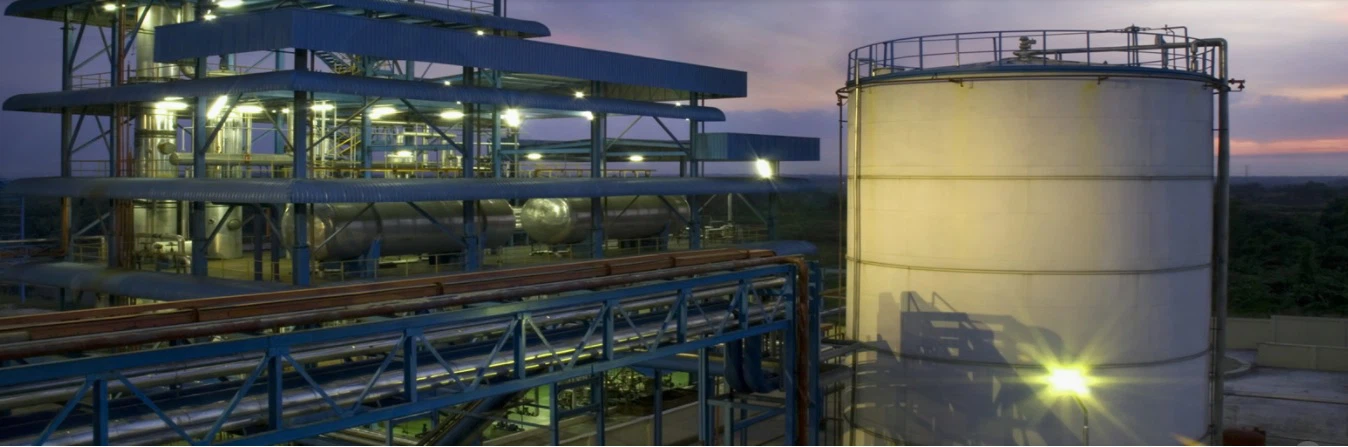
As a professional chemical company, we have our own laboratories and factories to ensure smooth supply and stable quality. Our products include alkyl polyglucosides, APG 0810, APG 0814, APG 1214, lipid layer enhancers, lauryl glucoside and other types.

One-Stop Service

Our belief is to combine high-quality products with competitive prices and strive to meet the needs of chemicals through one-stop order service and technical support. We can provide advice, solutions, product samples and any required documentation, which means you have a reliable partner in the surfactant sector.

Rich Market Experience

Our APG products have been exported to many countries and regions such as the United States, Canada, Mexico, Malaysia, Vietnam, United Arab Emirates, Russia, and Uzbekistan. Our sales staff are experienced and knowledgeable to support customers in any region.

Professional Team

We have a team of experts to recommend products based on customer needs. In addition, every order will be fulfilled within the deadline and the professional logistics team provides the shipment details according to the order. We have also set up a professional customer service team to follow up on product feedback.


Brief Introduction to APG 1214

APG 1214 is a nonionic surfactant that has gained popularity in recent years due to its biodegradability, mildness and effectiveness. It is made by combining glucose and fatty alcohols through the process of glycosylation. The resulting product is a sugar-based surfactant that can be used in a variety of applications such as detergents, personal care products and agricultural chemicals. APG 1214 is used in a variety of products, from detergents to cosmetics to pharmaceuticals. They make cleaning easier by breaking down dirt and oil, and enhance the performance of personal care products by improving their texture and spreadability.

 
Raw materials and structure of APG 1214

APG 1214 is a nonionic surfactant made from renewable resources. They are derived from glucose, a simple sugar found abundantly in nature, and fatty alcohols derived from natural oils, such as coconut oil. The process of combining these two substances creates a mild, biodegradable and effective surfactant. APG 1214 has a unique structure that makes it different from other surfactants. They consist of a hydrophilic (water-loving) head group composed of glucose units and a hydrophobic (water-hating) tail composed of fatty alcohols. The size and structure of the head and tail groups can be varied to tailor the characteristics of the APG to specific applications.

 
Features of APG 1214
  • APG 1214 is a nonionic surfactant. Since it is made from natural ingredients, it is a very mild and easily biodegradable product. This product is commonly used as a co-surfactant in personal care cleansing products due to its excellent mildness, lathering properties and ability to reduce irritation. It also exhibits excellent corrosiveness and solubility in highly concentrated salt, alkali and surfactant solutions.
  • APG 1214 can be used for alkaline, neutral and acidic hard surface cleaning in the domestic and institutional sectors. The product's turbidity is attributed to the combination of its magnesium oxide content (≤400 ppm magnesium) and its pH. Turbidity has no negative impact on the product and disappears when the pH is adjusted below 9.
  • APG 1214 is an aqueous solution of fatty alcohol polyglucoside. It is made from a renewable raw material - glucose, derived from corn, fatty alcohols, coconut oil and palm kernel oil. This product contains no preservatives.


APG 1214 Labeling Information


Chemical description

C12 - C14 fatty alcohol glucoside

INCI name

Lauryl Glucoside

CAS-No.

110615-47-9

Formula

C18H36O6

Purity

>50%

Species

Nonionic surfactant

Appearance

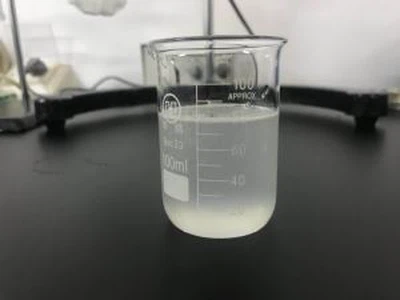
Slightly cloudy and viscous liquid

Solid Content(%)

50.0-52.0

Water (wt %)

48.0-50.0

PH Value (20% aq.)

11.5-12.5

Free Alcohol (wt %)

1max

Viscosity (mPa·s), 40°C

2000-4000

Ash (wt %)

3max

Synonyms

APG1214, 1200UP, Lauryl Glucoside, lauryl myristyl glucoside, lauryl glycoside lauryl polyglucoside, lauryl polyglucose


Applications of APG 1214
 
01/

Daily Chemical Products

APG 1214 can be used as the main raw material for daily chemicals such as shampoo, body wash, facial cleanser, laundry detergent, hand soap, dishwashing liquid, vegetable and fruit detergent, etc. It can also be used in conjunction with soap powder, phosphate-free detergent, phosphate-free laundry detergent, etc.

02/

Agricultural Supplies

APG 1214 is a synergist in pesticides and herbicides. They are also used as anti-fogging agents and plastic additives for agricultural plastic sheets. It can also be used as an emulsifying and dispersing agent for pesticides, silicone oil industry, etc.

03/

Construction Industry

APG 1214 is used to achieve stability and flame retardancy, and has a particularly good effect on anti-fog. As a new emulsion polymer emulsifier, it can be made into a variety of high-quality products. In the concrete industry, APG 1214 can be used as an air-entraining agent to achieve rich, stable and uniform foam.

04/

Food Industry

APG 1214 can be used as food emulsifier, preservative, foaming agent, demulsifier, etc. It can disperse the combination of oil and water, has foaming, anti-sugar and fatty acid polymerization functions, thereby mixing food ingredients evenly and improving the taste of food. APG 1214 has the same or similar properties as other surfactants such as glycerol fatty acid esters, sucrose fatty acid esters, sorbitol fatty acid esters, etc., and has very broad application prospects in the food processing industry.

05/

Petroleum Industry

APG 1214 can be added to drilling fluid to increase lubricity, has strong inhibitory properties, resists pollution, and has a good protective effect on the reservoir. It can work synergistically with other water-soluble polymers to achieve the best filtration reduction effect. It can broaden the temperature range of natural polymer drilling fluids and is biodegradable, which is beneficial to environmental protection.

06/

Other Industry

APG 1214 can also be used in pharmaceuticals, bioengineering, industrial cleaning, fire-fighting chemicals, textile auxiliaries, coatings, photosensitive materials, tanning, oil exploration, mining separation, rubber plastics, energy, etc. It has particularly superior properties in terms of product safety (dioxane-free), mildness, and antibacterial properties. Following the development trend, it will become the main surfactant to replace the current petroleum-based surfactants.


Some Useful Tips on APG 1214
Handling and Storage
productcate-580-630

Precautions for Safe Handling

Handling in a well ventilated place. Wear suitable protective clothing. Avoid contact with skin and eyes. Avoid formation of dust and aerosols. Use non-sparking tools. Prevent fire caused by electrostatic discharge steam.

productcate-600-546

Conditions for Safe Storage, Including Any Incompatibilities

Store the container tightly closed in a dry, cool and well-ventilated place. Store apart from foodstuff containers or incompatible materials.


Frequently Asked Questions


Q: What are C12-14 fatty alcohol glycosides?

A: Lauryl glucoside (C12-14 fatty alcohol glycoside) is a nonionic environmentally friendly surfactant. Its raw materials are based on fatty alcohols and glucose, which are obtained from renewable natural resources. Therefore, these ingredients are completely biodegradable. It has low surface tension, strong detergency, mild nature, rich foaming ability and good stability.

Q: What is APG 1214 used for?

A: APG 1214 is broadly used as raw material of personal care and household products. This material carries high foaming, surface active characteristics, and is a good viscosity builder. APG shows low irritation to skin and eyes. This material is compatible with other surfactants.

Q: What is the chemical name for APG?

A: Alkyl polyglucosides (APGs) are a class of non-ionic surfactants widely used in a variety of cosmetic, household, and industrial applications. Biodegradable and plant-derived from sugars, these surfactants are usually glucose derivatives, and fatty alcohols.

Q: What is lauryl/myristyl glucoside ?

A: Lauryl/myristyl glucoside is a thick yellow substance that is derived from palm kernel oil, corn sugar or coconut. It is a non-ionic surfactant and member of the alkyl glucoside family (e.g. coco glucoside, decyI glucoside) which are substances formed by mixing alcohols and sugar and/or glucose. Lauryl/myristyl glucoside is derived from naturally-occurring ingredients but can also be made synthetically.

Q: What are the applications of lauryl/myristyl glucoside?

A: Lauryl/myristyl glucoside is a surfactant and cleansing agent used in cosmetics. It is the product of the condensation of myristyl alcohol and glucose polymer. A surfactant in the nonionic surfactant class, this ingredient is a compound that lowers the surface tension of a liquid, making it easier to spread. It helps increase the viscosity of the final product and can also reduce the viscosity of liquid products, making them easier to apply or rinse off. It adds high foaming capacity to your foaming products.

Q: What is the difference between lauryl/myristyl glucoside and decyl glucoside and cocoyl glucoside?

A: The difference between these three is their stability and foaming properties, with lauryl/myristyl glucoside has the slowest and the best foaming effect compared to the rest and certainly more stable, followed by coCo glucoside and decyl glucoside. Lauryl/myristyl glucoside is made by combining sugar (usually comes from corn) with fatty alcohol (which comes from fat, which could be animal, vegetable, or petrochemical).

Q: Is lauryl/myristyl glucoside safe?

A: Due to the ability of Lauryl/myristyl glucoside to be made from naturally-occurring ingredients, it is considered to be an eco-friendly or sustainable ingredient. Laury/myristyl glucoside is considered lauryI glucoside safe for the skin, and very low risk of iriation. Although, because of different chemistry used in the manufacturing process, products with Lauryl/myristyl glucoside may all work the same but vary in 'mildness.'

Q: How is Lauryl/Myristyl Glucoside stored and handled?

A: Laury/myristyl glucoside can be stored in sealed original containers protected from frost and below 43°C for at least 1years. Maximum Storage Temperature - When heating, avoid prolonged localized temperatures exceeding 43°C to avoid possible product discoloration. Low pressure steam is acceptable if Lauryl/myristyl glucoside is monitored regularly. For easier handling Lauryl/myristyl glucoside can be warmed up to max. 50°C for a short duration without infuence onto the product specifcation. Lauryl/myristyl glucoside is stored at temperatures below 38°C crystallization may occur. Depending on the storage time sedimentation may occur. Therefore, Lauryl/myristyl glucoside should be heated and stirred until uniform before use. Lauryl glucoside has a high pH-value and for this reason the product contains no preservatives.

Q: What are the side effects of lauryl glucoside?

A: Localised redness, itching, swelling, or blistering hours to days after contact with a topical product containing lauryl glucoside. Lauryl glucoside can also cause irritant contact dermatitis and contact urticaria.

Q: Is lauryl glucoside natural or synthetic?

A: Sourced from palm kernel oil, corn sugar, or coconut, this spiffing viscous yellow substance is an exceptionally mild natural surfactant and is environmentally friendly. The paramount importance of this raw material lies in the fact that it produces a slow-forming foam, which remains highly stable.

Q: How do surfactants work?

A: When there are a sufficient amount of surfactant molecules present in a solution they combine together to form structures called micelles. As the micelle forms, the surfactant heads position themselves so they are exposed to water, while the tails are grouped together in the center of the structure protected from water. The micelles work as a unit to remove soils. The hydrophobic tails are attracted to soils and surround them, while the hydrophilic heads pull the surrounded soils off the surface and into the cleaning solution. Then the micelles reform with the tails suspending the soil in the center of the structure.

Q: How surfactants are used in cleaners?

A: Surfactants are a key ingredient in cleaning products. One thing that differentiates cleaning products is how they are made. Cleaners made from a single chemical, targeting a specific type of soil, are referred to as commodity cleaners. Cleaners that are blends of various chemical ingredients designed to work together to remove various types of soils are referred to as formulated cleaners. Formulated cleaners usually contain four basic elements: surfactants, hydrotropes, builders and carriers. Hydrotropes are chemicals that keep the otherwise incompatible surfactants and builders stable in a solution. The carrier is either water or a solvent. These elements work together to create mechanical actions to remove soils. The end result is a product that can attack dirt on surfaces with a variety of cleaning mechanisms including emulsifying, lifting, dispersing, sequestering, suspending and decomposing soils of various types. The type of surfactants used in a cleaning product largely determines which soils they will be best at removing.

Q: Why non-ionic surfactants are widely used?

A: Nonionic surfactants are available in a wide variety of different chemical structures. They are widely used in industry for their attractive characteristics, like low cost, nontoxicity and bio-degradability.

Q: What is the toxicity of nonionic surfactants?

A: Ingestion of anionic and nonionic surfactants most commonly result in mild and self-limiting gastrointestinal upset. They can cause irritation to the skin and eye; rarely aspiration or caustic injury to the gastrointestinal tract may occur.

Q: What are the most common nonionic surfactants?

A: Major types of nonionic surfactants include fatty alcohol ethoxylate, alkyl phenol ethoxylate and fatty acid alkoxylate.

Q: Do surfactants degrade over time?

A: Nonionic and cationic surfactants had much higher sorption on soil and sediment than anionic surfactants such as LAS. Most surfactants can be degraded by microbes in the environment although some surfactants such as LAS and DTDMAC as well as alkylphenols may be persistent under anaerobic conditions.

Q: Which is better ionic or non-ionic surfactant?

A: Ionic surfactants can be sensitive to changes in pH, as their effectiveness may be influenced by the presence of ions in the solution. Non-ionic surfactants are often preferred for applications where pH variability is a concern, such as in personal care products and household cleaners.

Q: How do surfactants reduce surface tension?

A: Surface tension is a property of liquids that refers to the cohesive forces between molecules at the surface of the liquid. These forces cause the surface of the liquid to act like a elastic membrane. Surface tension is what allows insects to walk on water, and it also plays an important role in many industrial processes. Surfactants are chemicals that lower the surface tension of a liquid. They do this by adsorbing at the air-water interface and forming a monolayer. This monolayer lowers the cohesive forces between liquid's molecules, and as a result, the surface tension is lowered.

Q: What are the applications of surfactants?

A: Surfactants are used in many different industries and applications. They are used in the cosmetics industry to lower the surface tension of water, which allows for a more uniform application of makeup. They are also used in the cleaning industry, as they are very effective at removing hydrophobic contaminants. In addition, surfactants are used in the food industry to emulsify fats and oils, and they are also used in the pharmaceutical industry. Surface tension, surfactants and micelles are all important concepts to understand if you want to know how many industrial processes work. They also have many everyday applications, from the makeup we put on our faces to the food we eat. So next time you see a water droplet or use soap, remember surface tension is what makes it possible and micelles do the work!

Q: Is non-ionic surfactant natural?

A: Coco Glucoside: Coco glucoside is a non-ionic natural surfactant with an alkaline pH around 12.
Decyl Glucoside: Decyl glucoside is also obtained from coconut oil and glucose and is completely biodegradable. It is similar to Coco *Glucoside except that it has a shorter chain length and creates less foam. The foam that is created is less stable. 
Lauryl Glucoside: Lauryl glucoside is similar to Coco glucoside and *Decyl glucoside but with a longer chain. It is also more viscous. Lauryl Glucoside takes the longest to foam but the form that is created is also the most stable. 
Coco Betaine: Coco betaine is a mild, coconut-based amphoteric surfactant with a pH around 6-8. It is completely biodegradable and increases the form and viscosity of products to which it is added.
Disodium Laureth Sulfosuccinate: Disodium laureth sulfosuccinate is a gentle anionic surfactant. Its larger molecules are unable to penetrate and irritate the skin, making it the preferred choice for use in products formulated for sensitive skin.

We're well-known as one of the leading apg 1214 manufacturers and suppliers in China. Please rest assured to buy high quality apg 1214 made in China here from our factory. For price consultation, contact us.

APG1200UP, 110615 47 9, lauryl glucoside

Home

Phone

E-mail

Inquiry

Bag