

APG 0810
Jeslyee Chemicals: a One-Stop APG 0810 Supplier
With its good reputation, our company has served dozens of customers around the world and has become a leading company in the field of chemicals and ingredients focusing on the surfactant industry.
Stable Supply
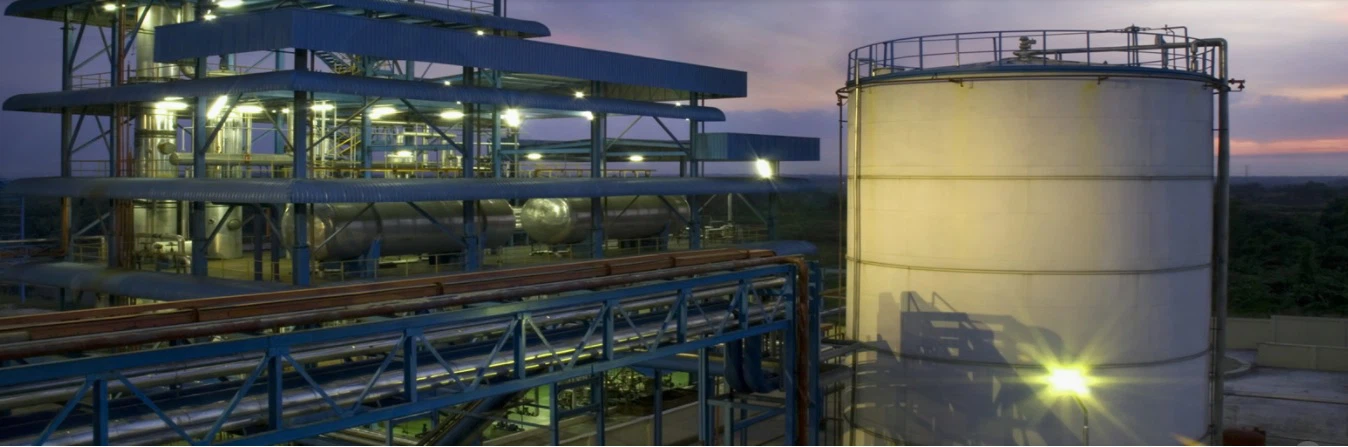
As a professional chemical company, we have our own laboratories and factories to ensure smooth supply and stable quality. Our products include alkyl polyglucosides, APG 0810, APG 0814, APG 1214, lipid layer enhancers, lauryl glucoside and other types.
One-Stop Service
Our belief is to combine high-quality products with competitive prices and strive to meet the needs of chemicals through one-stop order service and technical support. We can provide advice, solutions, product samples and any required documentation, which means you have a reliable partner in the surfactant sector.
Rich Market Experience
Our APG products have been exported to many countries and regions such as the United States, Canada, Mexico, Malaysia, Vietnam, United Arab Emirates, Russia, and Uzbekistan. Our sales staff are experienced and knowledgeable to support customers in any region.
Professional Team
We have a team of experts to recommend products based on customer needs. In addition, every order will be fulfilled within the deadline and the professional logistics team provides the shipment details according to the order. We have also set up a professional customer service team to follow up on product feedback.




Brief Introduction to APG 0810
Adopting high-performance integrated joints,the CRA series can increase the tempo by 25%,and the productivity can reach a new peak;the vibration suppression algorithm is upgraded to achieve a good anti-shaking effect;the full-parameter DH compensation algorithm and TrueMotion algorithm are supported,and the absolute positioning accuracy is 0.2 ~ 0.4 mm under the change of attitude movement,and the curved motion is precise and stable.
How APG 0810 Made
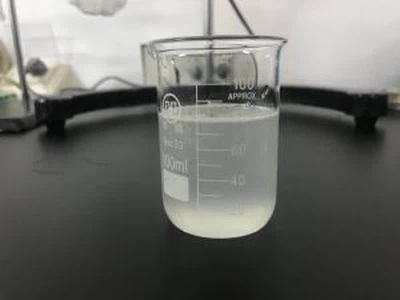
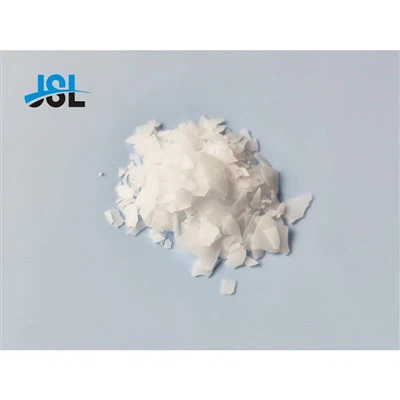
APG 0810 is made from reproducible raw materials-glucose, which is derived from corn, fatty alcohols, coconut and palm kernel oils. The product contains non-preservatives. They are completely biodegradable. As part of a range of nonionic environmentally friendly surfactants, the feedstock of APG is based on fatty alcohol and glucose, which are obtained from renewable native resources. It appears as a light yellow, turbid ropy solution. It provides good hydration, good resolvable properties in cold water and good solubility in high concentration of alkaline or electrolyte solution.

Features of APG 0810
Setting the benchmark for eco-friendly industrial materials, Alkyl Polyglucoside (APG) 0810 serves as a powerful, sustainable nonionic surfactant. With its inception, a new era of sustainable raw materials has dawned, offering 100% plant-based reusability and reducing the overall carbon footprint across numerous industries.
Born from Mother Nature
The inherent structure of APG 0810 ensures the highest standard of environmental responsibility. Due to its exceptional biodegradability, APG emerges as the front-runner in minimizing environmental impact, superseding its fossil fuel-derived counterparts.
A Pan-Industry Workhorse
The characteristic fusion of robust foamability, mildness, and cleaning efficiency paves the way for APG's extensive applications. From personal care requirements such as shampoos and body washes, home care essentials like laundry soaps and surface cleaners, to large-scale industrial cleaning products, APG 0810 touches numerous aspects of daily life.
A Masterclass in Performance
APG 0810 retains its high foaming potential under challenging water conditions, maintaining stability even with varying pH levels and salinity. Its capacity to amalgamate with other surfactants boosts the overall performance of cleaning products, marking a revolution in the industry.
Mild Nature
Owing to its mild nature, APG 0810 notably reduces skin irritation, making it an impeccable choice for sensitive applications, such as infant products or special skincare solutions.
APG 0810 Labeling Information
|
Chemical description |
Alkyl(C8-C10) Polyglucoside |
|
INCI name |
Decyl Glucoside |
|
CAS-No |
68515-73-1 |
|
Formula |
>50% |
|
Purity |
C16H32O6 |
|
Species |
Nonionic surfactant |
|
Appearance |
Light yellow viscous liquid |
|
Solid Content(%) |
50.0min |
|
Water (wt %) |
49.8-50.0 |
|
PH Value (20% aq.) |
11.5-12.5 |
|
Free Alcohol (wt %) |
1max |
|
Viscosity (mPa·s) |
20°C 200-600 |
|
Sulfated Ash (wt %) |
3max |
|
Density(g/cm3) |
25°C 1.08-1.10 |
|
Synonyms |
Caprylyl/Capryl Glucoside, decyl glycoside, APG0810, decyl glucose, decyl glycoside, D-Glucopyranose, oligomeric, decyl octyl glycosides, (C8-10)Alkyl ether of corn sugar, alkyl(c8,c10)polyglycoside, DECYL OCTYL D-GLUCOSE, D-glucose, decyl octyl ethers, oligomeric, Decyl-octyl glycosides oligomer, Octyldecyl Glucoside |
Benefits of APG 0810
APG 0810 enhances the effectiveness of active substances by contributing its special moisturizing qualities. They also act as wetting or dispersion accelerators in formulations.
APG 0810 facilitates the formulation of odorless final products without reducing active substance content and causing no adverse effects.
Even during the mineralization of water and carbon dioxide, APG 0810 does not form any environmentally harmful products. Since they are solvent-free, they remain stable for longer periods of time.
APG 0810 has excellent solubility and hydrotrope properties in alkaline solutions.
As a non-ionic surfactant, APG 0810 is the most effective at reducing surface tension even in extremely hard water.
APG 0810 is low irritant to eyes and skin. Excellent hydrotropic properties provide excellent stability under various pH conditions.
Main Types of Our APG 0810
DecyI glucoside, sometimes calld alkyl polyglucoside, is a cloudy liquid derived from palm kernel oils, corn sugars or coconut. It is a type of alkyI glucoside, which is formed by mixing alcohols and sugar or glucose. Decyl Glucoside is sometimes referred to as "non-iconic surfactant" in the ingredient list of hair and skin products, as well as cleansers and detergents. It is labeled safe, gentle and skin-friendly by most manufacturing companies. The commercial production of DecyI Glucoside takes numerous, complicated steps and often in extreme conditions. DecyI glucosides frst ever recorded production dates back as far as 1893. It was produced by mixing anhydrous ethanol and glucose to create ethyl glucoside. DecyI glucoside can also be formulated by condensing glucose polymer with decyl alcohol.
Caprylyl/capryl glucoside is a pale yellow liquid created from plant-derived fatty acids and sugar. ‘Caprylyl’ and ‘capryl’ are names to describe fatty acid molecules of different length - 8 carbons long for caprylyl and 10 for capryl. The ‘glucoside’ in its name indicates that a glucose (sugar) molecule is attached to these fatty acids. As a surfactant (cleaner), caprylyl/capryl glucoside is effective at creating lather and is also used to mix oils and other ingredients which typically are not capable of mixing into water, a process known as solubilizing. This ingredient is produced from renewable vegetable-derived raw materials. In addition to being an excellent, gentle cleansing surfactant in skin care products, Caprylyl/capryl glucoside is also a highly effective solubilizing agent for essential oils and fragrances as well as cationic surfactants. Due to this dual purpose, it is an excellent choice for the formulation of foaming aromatherapy products. As a mild cleanser used in cosmetic formulations, it can be applied to sensitive skin. It can increase the foaming capacities of skin care and hair care products. It acts as an emulsifier that allows mixing of water and essential oils. It can blend dense oils like carrier oils in your product. It is used at a maximum concentration of 40% and is found at 10-20% in face washes and 15-30% in shower gels and shampoos.
APG 0810 is a nonionic surfactant that can be used as a foaming agent, conditioner or emulsifier. Therefore, it is suitable as a base surfactant or co-surfactant in cosmetic surfactant cleansing formulations. APG 0810 has excellent and stable foam. It allows combination with other ingredients (oils and additives). APG 0810 can be used with other glycosides to enhance lather and skin conditioning properties. It can also be used in ionic formulations to increase lather depth and emulsifying properties. In the daily chemical industry, APG 0810 can be added to the formulas of various detergents and cosmetics. It can also be used as a food emulsifier, preservative, foaming agent and demulsifier. In the plastics and building materials industries, APG 0810 is used in greenhouse plastic films to provide stability, flame retardancy and anti-fog effects. In the pesticide industry, it can provide excellent wetting and penetration properties as well as biodegradability, ensuring no contamination of crops and land. It is suitable for use as pesticide emulsifiers, wettable powders, insecticides and plant growth regulators. APG 0810 can also be used in the petroleum industry, textile printing and dyeing, papermaking, fire protection and medicine, etc.
Some Useful Tips on APG 0810
The storage temperature is preferably in the range of 0 to 45 ℃. If store a long time at 45℃ or more, the color of APG 0810 will gradually become darker. When APG 0810 is stored at room temperature, there will be a small amount of solid precipitation or appearance of turbidity which is due to a small amount of Ca2,Ma2(≤500ppm) at high PHs, but this will have no negative impacts on the properties. With lower PH value down to 9 or less, APG 0810 can become clear and transparent.
Ensure adequate ventilation, especially in confined areas. Handle in accordance with good industrial hygiene and safety practice. Avoid breathing mist/vapours and contact with eyes, skin and clothing.
FAQ
Q: What are surfactants?
Q: What are anionic surfactants?
Q: What are nonionic surfactants?
Q: What is lauryl glucoside made of?
Q: Does lauryl glucoside natural ingredient?
Q: What products is lauryl glucoside mainly used in?
Q: Is lauryl glucoside safe for skin?
Q: Does lauryl glucoside safe for sensitive skin?
Q: Does lauryl glucoside have any side effects?
Q: Is lauryl glucoside the same as sodium lauryl sulfate?
Q: What products are APG 0810, APG 0814, and APG 1214 mainly used in?
Q: What is the white precipitates in lauryl glucoside, and why it occurs?
Q: What are the main functions of surfactants in emulsion polymerizations?
Q: What are key performance indicators (KPIs) for surfactants?
Q: Is decyl glucoside a foaming agent?
Q: What is Caprylyl/Decyl Glucoside?
Q: Is Caprylyl/Decyl Glucoside safe?
Q: What are some uses of Caprylyl/Decyl Glucoside?
We're well-known as one of the leading apg 0810 manufacturers and suppliers in China. Please rest assured to buy high quality apg 0810 made in China here from our factory. For price consultation, contact us.
decyl glucoside, APG0810, decyl glycoside