


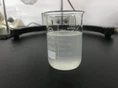

As a supplier of APG215, I've often been asked whether APG215 can be used in the toy industry. In this blog, I'll delve into the properties of APG215, explore its potential applications in the toy industry, and discuss the associated considerations.
Understanding APG215
APG215 belongs to the family of alkyl polyglucosides (APGs), which are non - ionic surfactants derived from renewable raw materials such as fatty alcohols and glucose. These surfactants are known for their excellent biodegradability, low toxicity, and mildness to the skin.
The unique chemical structure of APG215 gives it a range of beneficial properties. It has good foaming ability, which can be useful in certain toy applications. For example, in toys that involve creating bubbles or foam, APG215 can be an ideal ingredient. Its low toxicity makes it a safer alternative compared to some traditional surfactants, which is of utmost importance when it comes to products that may come into contact with children.
Potential Applications in the Toy Industry
1. Bubble - Making Toys
Bubble - making toys are extremely popular among children. The foaming ability of APG215 makes it a great candidate for formulating bubble solutions. When added to water, APG215 can create a large number of stable bubbles. The mildness of APG215 also means that if a child accidentally gets the bubble solution on their skin or in their eyes, the risk of irritation is significantly reduced.
2. Bath Toys
Bath toys are often in contact with water and may require some form of cleaning or anti - microbial properties. APG215 can be used in the manufacturing of bath toys. It can act as a cleaning agent to keep the toys clean and free from dirt and bacteria. Additionally, its biodegradability ensures that when the toy is discarded, it will have a minimal impact on the environment.
3. Soft Toys with Cleaning Requirements
Soft toys can get dirty over time, and parents often need to clean them. APG215 can be incorporated into the fabric of soft toys or used in the cleaning solutions for these toys. Its mild nature ensures that it won't damage the fabric of the toy, while its cleaning ability can effectively remove stains and dirt.
Comparison with Other APG Products
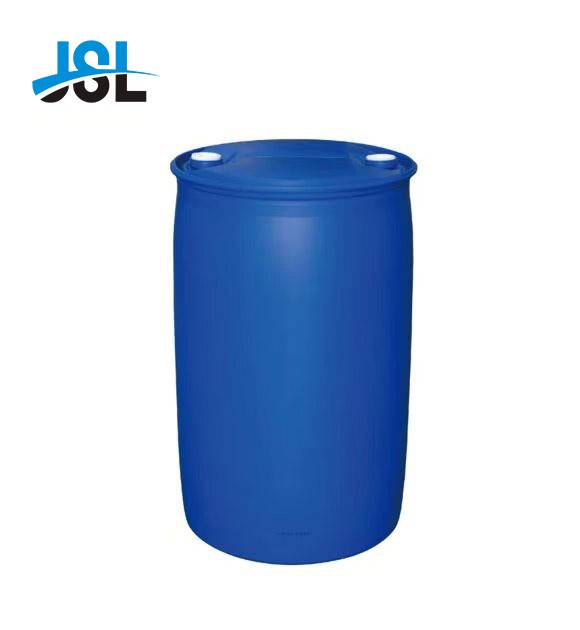
In the market, there are other APG products available, such as Caprylyl/Decyl Glucoside APG 8170, APG 0810/decyl Glucoside/CAS:68515 - 73 - 1, and APG 0810H65/decyl Glucoside/CAS:68515 - 73 - 1. While these products also have similar properties to APG215, APG215 may have some distinct advantages in the toy industry.
For example, APG215 may have a better balance between foaming ability and mildness. Some other APG products may be more focused on other applications, such as industrial cleaning or personal care products. In the toy industry, where safety and mildness are the top priorities, APG215 can be a more suitable choice.
Considerations for Using APG215 in the Toy Industry
1. Regulatory Compliance
The toy industry is highly regulated, especially when it comes to products for children. Before using APG215 in toy manufacturing, it is essential to ensure that it complies with all relevant regulations. This includes safety standards for chemicals in toys, such as limits on heavy metals and other harmful substances.
2. Compatibility with Other Materials
APG215 needs to be compatible with the other materials used in toy manufacturing. For example, in soft toys, it should not react with the fabric or stuffing materials. In plastic toys, it should not cause any degradation or discoloration of the plastic.
3. Cost - Effectiveness
While APG215 offers many benefits, cost is also an important consideration. Toy manufacturers need to evaluate whether the use of APG215 is cost - effective compared to other available options. However, considering the long - term benefits such as reduced environmental impact and improved safety, the cost may be justified.
Quality Assurance of APG215
As a supplier of APG215, we understand the importance of quality assurance. Our APG215 is produced under strict quality control measures. We conduct regular tests to ensure that it meets the highest standards of purity, safety, and performance.
We also provide detailed product information and technical support to our customers. This includes information on the chemical composition, physical properties, and recommended usage of APG215. Our goal is to help toy manufacturers make informed decisions about using APG215 in their products.
Conclusion
In conclusion, APG215 has great potential for use in the toy industry. Its unique properties, such as good foaming ability, low toxicity, and biodegradability, make it a suitable candidate for a variety of toy applications. However, it is important to consider the regulatory requirements, compatibility with other materials, and cost - effectiveness.
If you are a toy manufacturer interested in exploring the use of APG215 in your products, we encourage you to contact us for further discussion. We can provide samples for testing and offer customized solutions based on your specific needs. Let's work together to create safer and more environmentally friendly toys for children.
References
- "Surfactants in Consumer Products: Theory, Technology, and Application" by K. Holmberg, B. Jönsson, B. Kronberg, and B. Lindman.
- "Handbook of Surfactants" by M. R. Porter.