


In the vast expanse of codes and identifiers, the sequence "68515 73 1" has piqued the curiosity of many, leading to the question: Could 68515 73 1 be a code for a communication network? As a supplier dealing with this code, I'm here to delve into this intriguing topic and shed some light on its possible meanings and applications.
Understanding the Code Structure
First and foremost, let's break down the code "68515 73 1." At a glance, it doesn't conform to the typical formats of well - known communication network codes. Communication network codes usually follow specific standards set by international or industry - wide organizations. For example, IP addresses, which are fundamental in the Internet communication network, have a distinct dot - separated decimal format like "192.168.1.1". Mobile network codes (MNCs) and mobile country codes (MCCs) are also in a numeric format but are part of a larger system used for identifying mobile networks and countries in the global telecommunications landscape.
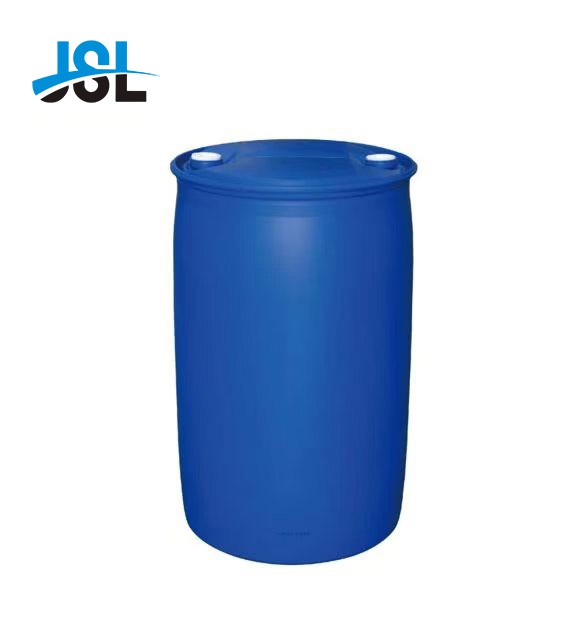

However, the code "68515 73 1" doesn't fit these patterns. It could potentially be a proprietary code used within a specific communication network, but without further context, it's difficult to draw a definite conclusion.
The Supplier's Perspective
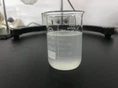
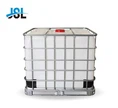
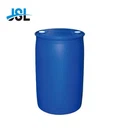
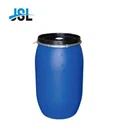
As a supplier associated with the code "68515 73 1", I can provide some insights into what this code might represent. In my experience, this code is related to chemical products, specifically Caprylyl/Decyl Glucoside APG 8170. Caprylyl/Decyl Glucoside APG 8170 is an alkyl polyglucoside, which is a type of non - ionic surfactant. These surfactants are widely used in various industries, including personal care products, household cleaning agents, and industrial applications.
The code "68515 73 1" is also linked to APG 0810H70BG/decyl Glucoside/CAS:68515 - 73 - 1/BG - 10 and APG 0810H70/decyl Glucoside/CAS:68515 - 73 - 1. The CAS (Chemical Abstracts Service) number 68515 - 73 - 1 is a unique identifier for a specific chemical substance. It's used by chemists, researchers, and regulatory agencies to accurately identify and track chemicals in various applications.
Why It's Unlikely to Be a Communication Network Code
There are several reasons why "68515 73 1" is unlikely to be a code for a communication network.
Lack of Standardization
As mentioned earlier, communication network codes are highly standardized. They are designed to be recognized and used uniformly across different systems and regions. The code "68515 73 1" doesn't match any of the established communication network code standards, such as those used for Wi - Fi networks, Bluetooth devices, or cellular networks.
Context of Usage
In the chemical industry, the code "68515 73 1" has a well - defined context. It's used to identify specific chemical products, manage inventory, and ensure regulatory compliance. There is no evidence to suggest that this code has any direct connection to the infrastructure, protocols, or devices used in communication networks.
Industry - Specific Knowledge
Communication network engineers and experts are not likely to be familiar with this code in the context of their work. On the other hand, chemists, chemical suppliers, and those involved in the chemical industry are well - aware of its significance as a chemical identifier.
Possible Misconceptions
The idea that "68515 73 1" could be a communication network code might stem from a misunderstanding or a misinterpretation of information. In today's digital age, where data is abundant and codes are everywhere, it's easy to make such mistakes. For example, a person might come across this code in a database or a document and assume that it has something to do with communication because of the prevalence of codes in the digital world.
The Significance of the Chemical Code
Although "68515 73 1" is not a communication network code, its importance in the chemical industry cannot be overstated. The products associated with this code, such as Caprylyl/Decyl Glucoside APG 8170 and APG 0810H70, have several advantages.
Environmental Friendliness
These alkyl polyglucosides are biodegradable and have low toxicity. They are considered to be more environmentally friendly compared to some other types of surfactants. This makes them a popular choice in products that are marketed as "green" or "eco - friendly."
Performance
They have excellent surfactant properties, including good foaming, emulsifying, and wetting abilities. This makes them suitable for a wide range of applications, from shampoo and body wash to laundry detergents and industrial cleaners.
Compatibility
Caprylyl/Decyl Glucoside APG 8170 and related products are compatible with other chemicals, which allows for easy formulation in various products. This flexibility makes them a valuable ingredient in the chemical industry.
Conclusion
In conclusion, based on the available evidence and industry knowledge, it's highly unlikely that "68515 73 1" is a code for a communication network. Instead, it serves as a crucial identifier in the chemical industry, specifically for alkyl polyglucosides like Caprylyl/Decyl Glucoside APG 8170, APG 0810H70BG, and APG 0810H70.
If you are in the market for high - quality chemical products associated with the code "68515 73 1", we are here to assist you. We offer a wide range of these products, ensuring the best quality and competitive prices. Whether you are a manufacturer of personal care products, a household cleaning product company, or an industrial user, we can provide the right solutions for your needs. Feel free to contact us for more information and to start a procurement discussion.
References
- "Surfactants in Consumer Products: Theory, Technology, and Application" by Krzysztof Warszynski and Reinhard Miller.
- Chemical Abstracts Service (CAS) database for information on chemical identifiers.