



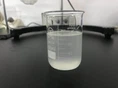


When it comes to the APG425N, one of the most frequently asked questions from our customers is, "How long is the service life of APG425N?" As a trusted supplier of APG425N, I am here to provide you with a comprehensive answer based on scientific research and practical experience.
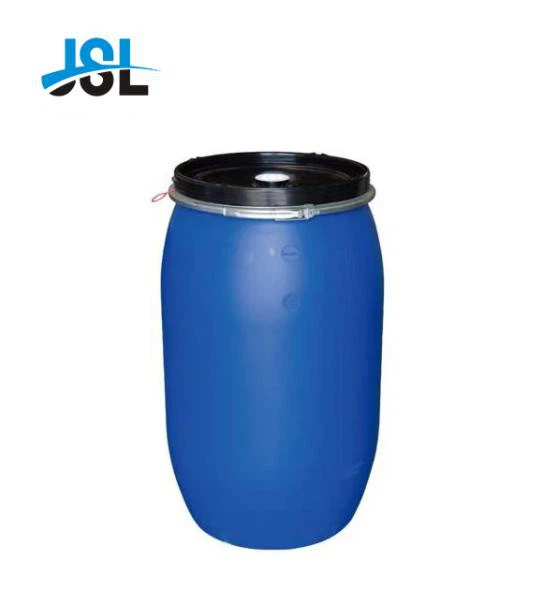
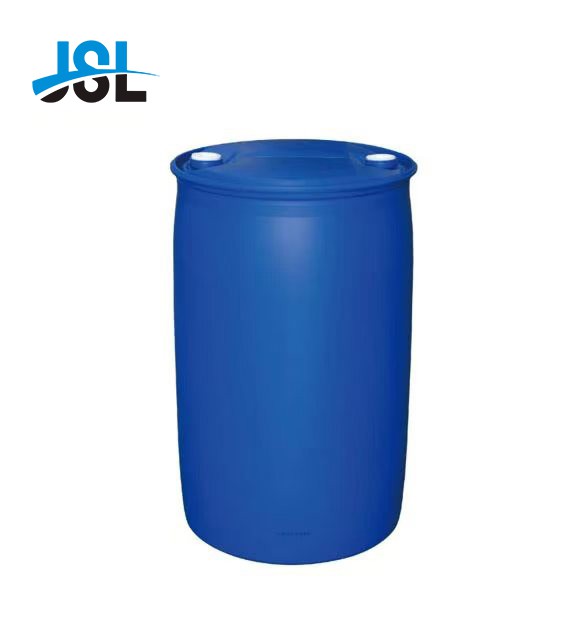
Understanding APG425N
APG425N belongs to the family of alkyl polyglucosides (APGs), which are non - ionic surfactants derived from renewable raw materials such as fatty alcohols and glucose. These surfactants are known for their excellent biodegradability, low toxicity, and good compatibility with other chemicals. APG425N, in particular, has a wide range of applications in various industries, including personal care products, household detergents, and industrial cleaning agents.
Factors Affecting the Service Life of APG425N
Storage Conditions
The way APG425N is stored plays a crucial role in determining its service life. APG425N should be stored in a cool, dry place away from direct sunlight and heat sources. High temperatures can accelerate the chemical reactions within the product, leading to a shorter shelf - life. Ideally, the storage temperature should be maintained between 5°C and 30°C. Additionally, the product should be stored in a tightly sealed container to prevent the ingress of moisture and air, which can cause oxidation and hydrolysis reactions.
Purity and Quality of the Raw Materials
The purity and quality of the raw materials used in the production of APG425N can significantly impact its service life. High - quality raw materials with low levels of impurities are less likely to undergo degradation over time. At our company, we source the purest raw materials and use advanced manufacturing processes to ensure the highest quality of APG425N. This helps to extend the service life of the product and maintain its performance characteristics.
Contamination
Contamination during storage or handling can also reduce the service life of APG425N. Foreign substances such as dust, dirt, or other chemicals can react with APG425N and cause it to degrade. Therefore, it is essential to handle APG425N in a clean environment and use clean equipment during transportation and storage.
Typical Service Life of APG425N
Under optimal storage conditions (5°C - 30°C, in a tightly sealed container), the service life of APG425N is typically around 24 months from the date of production. However, this is just an estimate, and the actual service life can vary depending on the factors mentioned above.
During the first few months after production, APG425N is at its peak performance. The product maintains its original chemical properties, such as its surface - active ability, foaming power, and emulsifying properties. As time passes, especially if the storage conditions are not ideal, the product may start to show signs of degradation. For example, the viscosity may change, the foaming ability may decrease, or the product may develop an unpleasant odor.
Testing the Quality of APG425N Over Time
To ensure the quality of APG425N throughout its service life, regular quality control tests should be conducted. These tests can include measuring the pH value, viscosity, surface tension, and foaming power of the product. If the test results deviate significantly from the original specifications, it may indicate that the product has started to degrade and its performance may be affected.
Applications and the Impact on Service Life
The service life of APG425N can also be affected by its application. In some applications, such as in personal care products, the product may be exposed to a wide range of environmental conditions and other chemicals. For example, in a shampoo formulation, APG425N may come into contact with other surfactants, fragrances, and preservatives. These interactions can either enhance or reduce the service life of APG425N.
In industrial cleaning applications, APG425N may be used in harsh environments with high temperatures, high pressures, or strong chemical agents. Under these conditions, the service life of APG425N may be shorter compared to its use in milder applications.
Comparing APG425N with Other APG Products
There are other APG products available in the market, such as APG 0814N/425N/coco Glucoside/CAS:141464 - 42 - 8 and Decyl Glucoside APG 2000UP. While the basic chemical structure of these products is similar, their service lives may vary due to differences in their composition and production processes.
APG 08 - 14, like APG 0814/coco Glucoside/CAS:141464 - 42 - 8, has a different carbon chain length distribution compared to APG425N. This can affect its solubility, surface - active properties, and stability. Generally, products with a more uniform carbon chain length distribution tend to have better stability and a longer service life.
Conclusion
In conclusion, the service life of APG425N is influenced by multiple factors, including storage conditions, raw material quality, contamination, and application. Under optimal storage conditions, APG425N can have a service life of up to 24 months. However, it is important to monitor the quality of the product regularly to ensure its performance.
If you are interested in purchasing APG425N or have any questions about its service life and applications, please feel free to contact us. We are more than happy to provide you with detailed information and assist you in making the right choice for your specific needs. Our team of experts can also offer advice on the proper storage and handling of APG425N to maximize its service life.
References
- "Surfactants in Consumer Products: Theory, Technology, and Application" by W. Stäche, et al.
- "Handbook of Detergents" by M. S. Showell.
- Research papers on the stability and degradation of alkyl polyglucosides in scientific journals.