



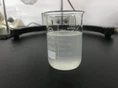


As a supplier of APG225DK, I understand the frustration that comes when this product doesn't work as expected. APG225DK is a high - quality alkyl polyglucoside with a wide range of applications in various industries, such as personal care, household cleaning, and industrial detergents. In this blog, I'll share some effective troubleshooting steps to help you get your APG225DK back on track.
1. Initial Checks
Before diving into complex troubleshooting, it's essential to perform some basic checks.
1.1 Storage Conditions
APG225DK has specific storage requirements. It should be stored in a cool, dry place away from direct sunlight and heat sources. Extreme temperatures can affect its chemical properties. If the product has been stored in an environment where the temperature has fluctuated significantly, it might lead to issues. For example, if it has been exposed to high temperatures for an extended period, the viscosity of the product could change, which may affect its performance.
1.2 Packaging Integrity
Inspect the packaging of the APG225DK. If the container is damaged, it could have allowed air, moisture, or contaminants to enter. A damaged seal or a punctured container can lead to the degradation of the product. Check for any signs of leakage, bulging, or discoloration of the container. If you find any issues with the packaging, it's advisable to contact us immediately as it might be a defective shipment.
2. Compatibility Checks
APG225DK is often used in formulations with other chemicals. Compatibility issues can arise when it is mixed with incompatible substances.
2.1 Other Chemicals in the Formulation
Review the other chemicals you are using in your formulation. Some substances may react with APG225DK, causing precipitation, cloudiness, or a change in the pH of the solution. For example, strong acids or bases can react with the alkyl polyglucoside structure of APG225DK. Make sure to check the chemical compatibility charts provided by the manufacturers of all the chemicals involved. If you are unsure about the compatibility of a particular chemical, you can send us a list of the ingredients in your formulation, and our technical team can assist you.
2.2 Water Quality
The quality of water used in the formulation can also impact the performance of APG225DK. Hard water, which contains high levels of calcium and magnesium ions, can cause problems. These ions can react with the surfactant in APG225DK, leading to the formation of insoluble salts. If you suspect that hard water is the issue, you can try using deionized or distilled water in your formulation.
3. Performance - Related Troubleshooting
3.1 Foaming Issues
One of the common applications of APG225DK is in products where foaming is required, such as shampoos and dishwashing liquids.
3.1.1 Low Foam Production
If you are experiencing low foam production, there could be several reasons. First, check the concentration of APG225DK in your formulation. A lower - than - recommended concentration may not generate enough foam. Refer to the product data sheet for the optimal concentration range. Another reason could be the presence of defoaming agents in the formulation. Some ingredients, such as certain oils or silicone - based compounds, can act as defoamers. Review your formulation to identify and remove any potential defoaming agents.
3.1.2 Excessive Foam Breakdown
On the other hand, if the foam breaks down too quickly, it might be due to the presence of high - salt concentrations in the formulation. Salts can disrupt the surfactant structure of APG225DK, causing the foam to collapse. You can try reducing the salt content in your formulation or adding a foam stabilizer. Some common foam stabilizers include certain polymers and fatty alcohols.
3.2 Cleaning Efficiency
If APG225DK is not providing the expected cleaning performance, there are a few things to consider.
3.2.1 Soil Type
The type of soil or dirt you are trying to clean can affect the performance of APG225DK. Some soils, such as heavy grease or oil - based stains, may require a different formulation or a higher concentration of APG225DK. You can try increasing the concentration of APG225DK in your cleaning solution or combining it with other cleaning agents that are more effective against the specific type of soil.
3.2.2 Contact Time
Insufficient contact time between the cleaning solution and the soiled surface can also lead to poor cleaning results. Make sure to allow the cleaning solution to sit on the surface for an adequate amount of time before wiping or rinsing. The recommended contact time can vary depending on the application and the type of soil, but generally, a few minutes to half an hour can be effective.
4. Product Quality Checks
If you have followed all the above steps and still experience issues, it's time to check the quality of the APG225DK itself.

4.1 Physical Appearance
Examine the physical appearance of the APG225DK. It should be a clear, colorless to slightly yellowish liquid. If you notice any cloudiness, precipitation, or a significant change in color, it could indicate a quality problem. Cloudiness may be due to the presence of impurities or a chemical reaction within the product. Precipitation can occur if the product has been stored under improper conditions or if there has been a reaction with other substances.
4.2 pH Value
The pH value of APG225DK is an important parameter. It should be within the specified range as stated in the product data sheet. A significant deviation from the normal pH range can affect the performance of the product. You can use a pH meter to measure the pH of the APG225DK. If the pH is outside the acceptable range, it could be a sign of a manufacturing defect or a reaction with other substances in the formulation.
5. Technical Support and Resources
If you are still unable to troubleshoot the problem on your own, don't worry. As your APG225DK supplier, we are here to help.
Our technical team has extensive knowledge and experience in dealing with various issues related to APG225DK. You can reach out to us with detailed information about the problem, including the symptoms, the formulation you are using, and any steps you have already taken to troubleshoot. We can provide you with customized solutions based on your specific situation.
In addition, we also offer a range of related products that you might find useful. For example, Caprylyl/Decyl Glucoside APG 8170, APG 0810H70/decyl Glucoside/CAS:68515 - 73 - 1, and APG 0810/decyl Glucoside/CAS:68515 - 73 - 1 are all high - quality alkyl polyglucosides that can be used in similar applications. If you are interested in exploring these alternatives, our sales team can provide you with more information.
Contact for Purchase and Discussion
If you are facing issues with APG225DK or are interested in purchasing our products, we encourage you to contact us. Our team is ready to assist you with any questions you may have regarding product selection, formulation, or troubleshooting. Whether you are a small - scale manufacturer or a large - scale industrial user, we can provide you with the right solutions and support.
References
- Product Data Sheet of APG225DK
- Chemical Compatibility Charts of Common Surfactants
- Industry Research on the Applications of Alkyl Polyglucosides