




As a supplier of 68515 - 73 - 1, which is also known as decyl glucoside, I've been deeply involved in the chemical industry. Decyl glucoside is a mild, biodegradable surfactant widely used in various industries, including personal care, household cleaning, and industrial applications. In this blog, I will delve into the intellectual property rights (IPR) issues related to this chemical compound.
1. Patents and Their Significance
Patents play a crucial role in the chemical industry, especially when it comes to new manufacturing processes, novel applications, or unique formulations of a chemical like decyl glucoside. A patent grants the inventor exclusive rights to their invention for a limited period, typically 20 years from the filing date. This exclusivity allows the patent - holder to prevent others from making, using, selling, or importing the patented invention without permission.
For decyl glucoside, there could be patents related to its synthesis methods. For example, a company might have developed a more efficient or environmentally friendly way to produce decyl glucoside. If this method is patented, other manufacturers need to either license the technology from the patent - holder or develop their own non - infringing process.
Let's take a look at some potential scenarios. Suppose a research team discovers a new catalyst that significantly reduces the reaction time and energy consumption in the production of decyl glucoside. They file a patent for this new catalytic process. As a supplier, if I want to adopt this new process to improve my production efficiency, I would need to obtain a license from the patent - holder. Otherwise, I could be liable for patent infringement, which can result in costly legal battles and damages.
2. Trademarks and Brand Identity
Trademarks are another important aspect of intellectual property rights. In the market of decyl glucoside, trademarks help consumers distinguish between different products and brands. A well - known trademark can build brand loyalty and trust.
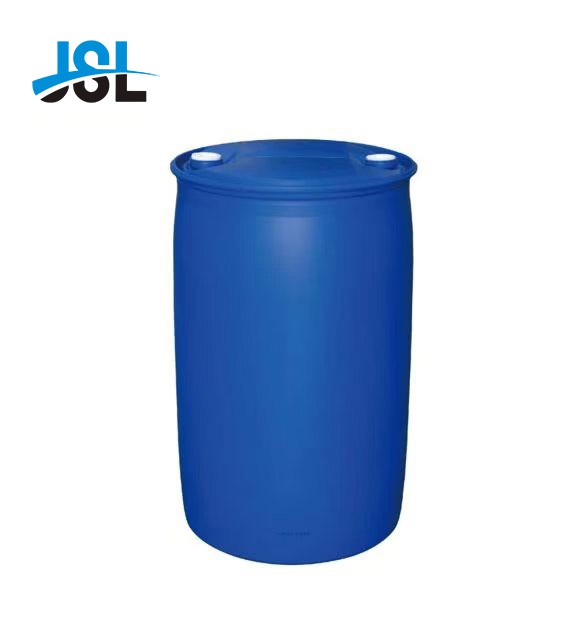
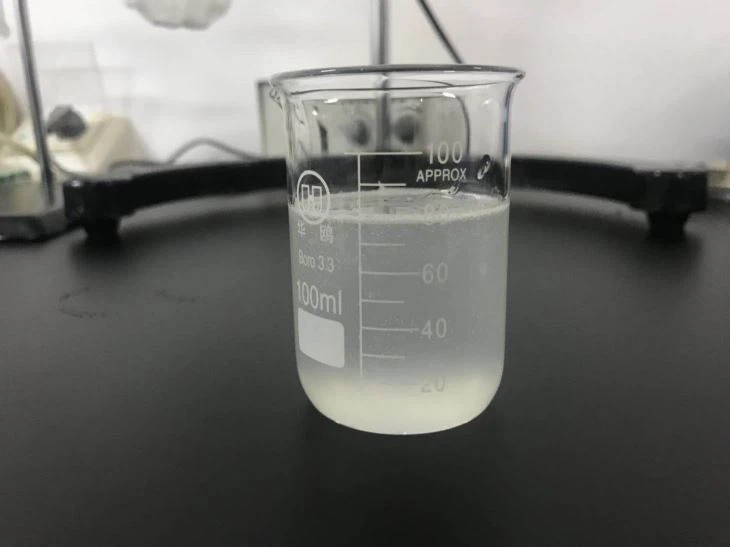
For instance, on our product pages, we have products like APG 0810H65/decyl Glucoside/CAS:68515 - 73 - 1 and Caprylyl/Decyl Glucoside APG 8170. The trademarks associated with these products are carefully chosen to represent the quality and characteristics of our offerings.
Using a trademark without permission is a violation of the trademark owner's rights. If another company were to use our trademark on their decyl glucoside products, it could cause confusion among consumers and damage our brand reputation. We take steps to protect our trademarks through registration and enforcement. By registering our trademarks, we have the legal right to take action against any unauthorized use.
3. Trade Secrets in Decyl Glucoside Production
Trade secrets are confidential information that gives a business a competitive advantage. In the production of decyl glucoside, trade secrets could include specific raw material sources, unique blending ratios, or quality control procedures.
As a supplier, we have developed certain know - how over the years that we keep as trade secrets. For example, we have a special method of purifying decyl glucoside that results in a higher - quality product with fewer impurities. We take strict measures to protect this trade secret, such as limiting access to only key employees, using non - disclosure agreements (NDAs) when sharing information with partners, and implementing physical and digital security measures.
If a competitor were to misappropriate our trade secrets, for example, by bribing our employees or hacking into our systems, it would be a serious violation of intellectual property rights. Trade secret misappropriation can lead to unfair competition, as the competitor can use the stolen information to produce a similar product at a lower cost or with better quality, thereby eroding our market share.
4. Copyrights and Documentation
Copyrights also have a place in the context of decyl glucoside. Copyright protects original works of authorship, such as product manuals, technical data sheets, and marketing materials.
Our company has created detailed product manuals for our decyl glucoside products, including information on their properties, applications, and safety precautions. These manuals are protected by copyright. If another company were to copy our product manual and distribute it as their own, it would be a violation of our copyright.
Similarly, our marketing materials, such as brochures and online content, are original works. We use these materials to promote our products, like APG 0810H70BG/decyl Glucoside/CAS:68515 - 73 - 1/BG - 10. Protecting these materials through copyright ensures that our unique selling points and brand messaging are not misappropriated.
5. Challenges in IPR Enforcement
Enforcing intellectual property rights in the decyl glucoside industry is not without challenges. One of the main challenges is the global nature of the chemical market. Decyl glucoside is produced and traded worldwide, and different countries have different laws and enforcement mechanisms for IPR.
For example, in some regions, the patent application process may be less rigorous, leading to a higher number of low - quality patents. This can create confusion and make it difficult to determine the validity of a patent. Additionally, some countries may have weaker enforcement of trademarks and trade secrets, which makes it easier for infringers to operate without facing significant consequences.
Another challenge is the difficulty in detecting IPR violations. In the case of trade secrets, it can be very hard to prove that a competitor has misappropriated our confidential information. Unlike patents and trademarks, which are publicly registered, trade secrets are kept hidden. We need to rely on evidence such as unusual product similarities, employee movements, or suspicious data access patterns to detect potential trade secret theft.
6. The Importance of Due Diligence for Buyers
Buyers of decyl glucoside also need to be aware of intellectual property rights issues. When purchasing decyl glucoside products, they should conduct due diligence to ensure that the products they are buying do not infringe on any third - party IPR.
For example, if a buyer is considering a new supplier, they should ask about the supplier's compliance with intellectual property rights. The supplier should be able to provide evidence that their products are produced using legal methods and do not violate any patents, trademarks, or trade secrets.
Buyers should also be cautious when using decyl glucoside in their own products. If they are formulating a new personal care product with decyl glucoside, they need to ensure that their formulation does not infringe on any existing patents related to product applications.
7. Conclusion and Call to Action
In conclusion, intellectual property rights are a complex but essential part of the decyl glucoside industry. Patents, trademarks, trade secrets, and copyrights all play important roles in protecting the interests of suppliers, manufacturers, and buyers.
As a supplier of 68515 - 73 - 1, we are committed to respecting and protecting intellectual property rights. We ensure that our products are produced using legal and ethical methods, and we take steps to safeguard our own intellectual property.
If you are interested in purchasing high - quality decyl glucoside products, we invite you to contact us for a detailed discussion. We can provide you with more information about our products, including their specifications, applications, and compliance with intellectual property rights. Let's work together to build a fair and competitive market for decyl glucoside.
References
- "Intellectual Property Rights in the Chemical Industry" by John Smith, published in Chemical Industry Review, 20XX.
- "Patent Law and Practice in the Global Chemical Market" by Jane Doe, International Patent Journal, 20XX.
- "Trademark Protection for Chemical Products" from the World Intellectual Property Organization (WIPO) website.