





Decyl glucose, also known as decyl glucoside, is a non - ionic surfactant derived from renewable raw materials such as fatty alcohols and glucose. It has gained significant popularity in various industries, including personal care, household cleaning, and industrial applications, due to its excellent biodegradability, low toxicity, and mildness to the skin. As a decyl glucose supplier, I understand the importance of educating our customers about the safety precautions when using this product. In this blog, I will provide a comprehensive overview of the safety measures that should be taken during the handling, storage, and application of decyl glucose.
Handling Precautions
When handling decyl glucose, it is crucial to follow good laboratory or industrial practices to minimize the risk of exposure. Here are some key points to keep in mind:
Personal Protective Equipment (PPE)
- Gloves: Wear chemical - resistant gloves to protect your hands from direct contact with decyl glucose. Nitrile or neoprene gloves are recommended as they provide good resistance to most chemicals.
- Eye Protection: Safety goggles or a face shield should be worn to prevent splashes from getting into your eyes. Decyl glucose, although relatively mild, can cause irritation if it comes into contact with the eyes.
- Lab Coat or Protective Clothing: An appropriate lab coat or protective clothing should be worn to protect your skin and clothing from spills and splashes.
Ventilation
- Ensure that the area where decyl glucose is being handled is well - ventilated. Adequate ventilation helps to disperse any vapors or mists that may be generated during handling, reducing the risk of inhalation exposure. If working in a confined space, use local exhaust ventilation systems to remove contaminants at the source.
Avoid Ingestion and Inhalation
- Do not eat, drink, or smoke in areas where decyl glucose is being handled. Ingestion of decyl glucose can cause gastrointestinal discomfort.
- Avoid breathing in dust, vapors, or mists of decyl glucose. If you accidentally inhale a large amount of decyl glucose, move to an area with fresh air immediately and seek medical attention if you experience any respiratory symptoms such as coughing, wheezing, or shortness of breath.
Spill and Leak Response
- In case of a spill or leak, contain the spill as quickly as possible to prevent it from spreading. Use absorbent materials such as sand, vermiculite, or commercial spill - control products to soak up the liquid.
- Dispose of the contaminated absorbent materials in accordance with local environmental regulations. Do not allow the spilled decyl glucose to enter drains, sewers, or waterways.
Storage Precautions
Proper storage of decyl glucose is essential to maintain its quality and safety. Here are some storage guidelines:
Temperature and Humidity
- Store decyl glucose in a cool, dry place. The recommended storage temperature is usually between 5°C and 35°C. High temperatures can cause the product to degrade, while low temperatures may lead to crystallization or solidification, which can affect its performance.
- Keep the storage area away from sources of heat and direct sunlight. Exposure to sunlight can accelerate the degradation process and may also cause changes in the color and odor of the product.
Container Selection
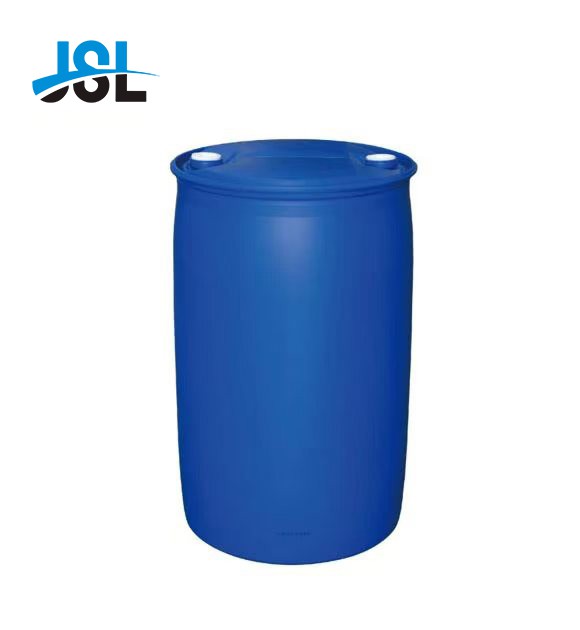
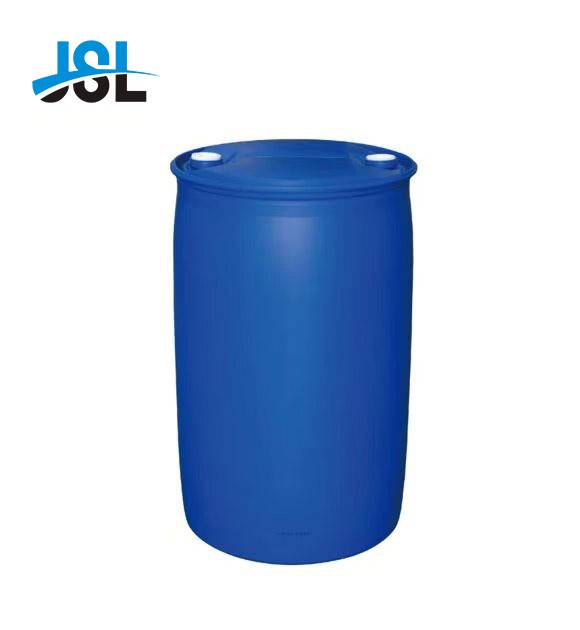
- Decyl glucose should be stored in tightly sealed containers made of compatible materials. Plastic containers made of high - density polyethylene (HDPE) or polypropylene (PP) are commonly used for storing decyl glucose as they are resistant to corrosion and chemical attack.
- Make sure the containers are labeled clearly with the product name, CAS number (CAS: 68515 - 73 - 1), and any relevant hazard information.
Segregation
- Store decyl glucose away from incompatible substances such as strong oxidizing agents, acids, and alkalis. Mixing decyl glucose with these substances can cause chemical reactions, which may lead to the release of hazardous gases or the formation of unstable compounds.
Application Precautions
Decyl glucose is used in a wide range of applications, and the safety precautions may vary depending on the specific use. Here are some general application - related safety tips:
Personal Care Products
- When formulating personal care products such as shampoos, body washes, and facial cleansers, ensure that the concentration of decyl glucose is within the recommended range. High concentrations of decyl glucose may cause skin irritation in some individuals, especially those with sensitive skin.
- Conduct patch tests on a small area of skin before using new personal care products containing decyl glucose to check for any allergic reactions.
Household Cleaning Products
- When using decyl glucose - based household cleaning products, follow the instructions on the product label carefully. Some cleaning products may contain other ingredients in addition to decyl glucose, and improper use can pose safety risks.
- Keep household cleaning products out of reach of children and pets to prevent accidental ingestion.
Industrial Applications
- In industrial applications, such as in the manufacturing of paints, coatings, and adhesives, ensure that workers are properly trained in the handling and use of decyl glucose.
- Follow all relevant safety and environmental regulations when using decyl glucose in industrial processes.
Our Decyl Glucose Products
As a decyl glucose supplier, we offer a range of high - quality decyl glucose products, including APG 0810H65/decyl Glucoside/CAS:68515 - 73 - 1, APG 0810H70/decyl Glucoside/CAS:68515 - 73 - 1, and APG 0810/decyl Glucoside/CAS:68515 - 73 - 1. Our products are manufactured under strict quality control standards to ensure their safety and performance.
Conclusion
Decyl glucose is a safe and versatile product when handled, stored, and applied correctly. By following the safety precautions outlined in this blog, you can minimize the risks associated with its use and ensure a safe working environment. If you have any questions about the safety of decyl glucose or are interested in purchasing our products, please feel free to contact us for further discussion and procurement negotiation.
References
- Material Safety Data Sheet (MSDS) for Decyl Glucoside
- Industry guidelines for the handling and use of non - ionic surfactants
- Research papers on the safety and environmental impact of decyl glucoside