




Lauryl glucose, also known as lauryl glucoside, is a non - ionic surfactant derived from renewable raw materials such as lauryl alcohol and glucose. It is widely used in the personal care, household cleaning, and industrial sectors due to its excellent foaming properties, mildness to the skin, and biodegradability. As a lauryl glucose supplier, understanding the transportation requirements for this product is crucial to ensure its safe and efficient delivery to customers.
Physical and Chemical Properties of Lauryl Glucose
Before delving into the transportation requirements, it's essential to understand the physical and chemical properties of lauryl glucose. Lauryl glucose usually appears as a clear to slightly hazy liquid at room temperature. It has a relatively low volatility and is soluble in water, which makes it suitable for various aqueous formulations.
The chemical stability of lauryl glucose is generally good under normal conditions. However, it may be sensitive to extreme temperatures, strong acids, and strong alkalis. These properties directly influence the way it should be transported to prevent any degradation or safety hazards during transit.

Packaging Requirements
Proper packaging is the first line of defense in ensuring the safe transportation of lauryl glucose. The packaging must be able to withstand the rigors of transportation, including handling, stacking, and exposure to different environmental conditions.
For small - scale shipments, lauryl glucose is often packed in high - density polyethylene (HDPE) bottles or drums. HDPE is a durable and chemically resistant material that can effectively prevent leakage and contamination. The bottles or drums should be sealed tightly with appropriate caps or lids to prevent any spillage during transportation.
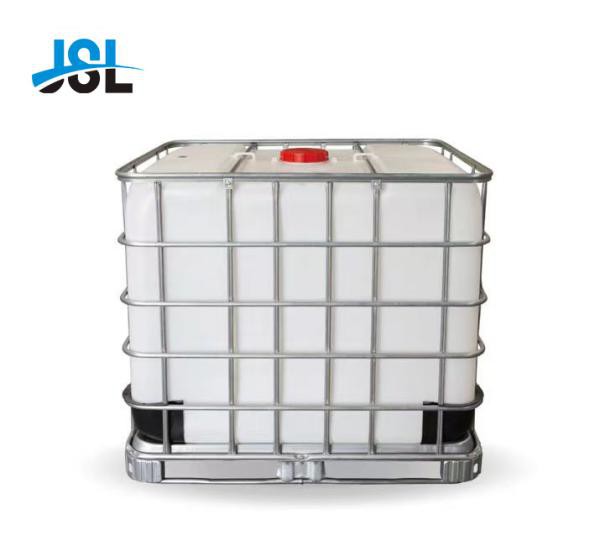
For larger - scale shipments, intermediate bulk containers (IBCs) or tanker trucks may be used. IBCs are designed to hold large volumes of liquid products and are equipped with features such as forklift pockets and stacking capabilities. Tanker trucks, on the other hand, are suitable for transporting large quantities of lauryl glucose over long distances. They are typically made of stainless steel or other corrosion - resistant materials to ensure the integrity of the product.
The packaging should also be labeled clearly with information such as the product name, chemical formula, CAS number (in this case, [APG 1214/lauryl Glucoside/CAS:110615 - 47 - 9](/alkyl - polyglucoside/apg - 1214/naturalapg - 1214 - lauryl - glucoside - cas - 110615.html)), hazard warnings, and handling instructions. This information helps transportation personnel to handle the product correctly and take appropriate safety measures.
Temperature and Environmental Conditions
Temperature control is an important aspect of lauryl glucose transportation. Extreme temperatures can affect the physical and chemical properties of the product. High temperatures may cause the product to degrade or lose its effectiveness, while low temperatures may lead to solidification or precipitation.
During transportation, lauryl glucose should be kept within a recommended temperature range. For most lauryl glucose products, the ideal temperature range is between 5°C and 35°C. If the ambient temperature is likely to fall outside this range, appropriate temperature - control measures should be taken. For example, in cold weather, insulated containers or heating systems can be used to prevent the product from freezing. In hot weather, refrigerated trucks or containers may be required to maintain the product at a suitable temperature.
In addition to temperature, the product should also be protected from direct sunlight and moisture. Sunlight can cause the product to deteriorate over time, while moisture can lead to the growth of microorganisms or the formation of unwanted chemical reactions. Therefore, the packaging should be stored in a dry and shaded area during transportation.
Regulatory Compliance
Transporting lauryl glucose involves compliance with various national and international regulations. These regulations are in place to ensure the safety of the product, the transportation personnel, and the environment.
In many countries, lauryl glucose is classified as a non - hazardous chemical. However, it still needs to comply with general transportation regulations for chemical substances. For example, the packaging must meet the standards set by the relevant authorities, such as the United Nations' Recommendations on the Transport of Dangerous Goods.
When transporting lauryl glucose across international borders, additional regulations may apply. These include customs requirements, import/export permits, and compliance with the regulations of the destination country. It is the responsibility of the supplier to ensure that all necessary documentation is in order and that the product meets the regulatory requirements of both the origin and destination countries.
Handling and Loading/Unloading
Proper handling during loading and unloading is essential to prevent any damage to the product or accidents. Transportation personnel should be trained on the correct handling procedures for lauryl glucose.
When loading the product, care should be taken to avoid over - filling the containers. Over - filling can lead to spillage during transportation, especially if the containers are subject to vibration or movement. The containers should be loaded securely to prevent them from shifting or falling during transit.
During unloading, the product should be transferred carefully from the transportation vehicle to the storage facility. Any spills or leaks should be cleaned up immediately using appropriate absorbent materials. If a spill occurs, the area should be ventilated to prevent the accumulation of vapors.
Documentation
Accurate documentation is crucial for the transportation of lauryl glucose. The documentation should include a bill of lading, which provides details about the product, the quantity, the origin, and the destination. It should also include a safety data sheet (SDS), which contains information about the product's physical and chemical properties, potential hazards, and safety precautions.
The SDS is an important document that helps transportation personnel, emergency responders, and end - users to handle the product safely. It should be provided with every shipment of lauryl glucose. In addition, any certificates of analysis or quality control reports should also be included to ensure that the product meets the required specifications.
Insurance and Liability
As a lauryl glucose supplier, it is important to have appropriate insurance coverage for the transportation of the product. Insurance can protect against losses due to damage, theft, or accidents during transportation.
In addition, understanding the liability issues associated with transportation is crucial. The supplier may be held liable for any damages or injuries caused by the product during transportation if it is found that the product was not packaged, labeled, or transported in accordance with the relevant regulations. Therefore, it is important to work with reliable transportation partners and ensure that all safety measures are in place.
Conclusion
Transporting lauryl glucose requires careful consideration of various factors, including packaging, temperature control, regulatory compliance, handling, documentation, and insurance. By following the appropriate transportation requirements, we can ensure the safe and efficient delivery of our lauryl glucose products, such as [Lauryl Glucoside 1200UP](/alkyl - polyglucoside/apg - 1214/lauryl - glucoside - 1200up - factory.html) and [APG 1214/lauryl Glucoside/CAS:110615 - 47 - 9](/alkyl - polyglucoside/apg - 1214/apg - 1214 - lauryl - glucoside - cas - factory.html), to our customers.
If you are interested in purchasing lauryl glucose or have any questions about our products and transportation services, please feel free to contact us for procurement discussions. We are committed to providing high - quality products and reliable transportation solutions to meet your needs.
References
- Handbook of Surfactants
- United Nations Recommendations on the Transport of Dangerous Goods
- Relevant national and international chemical transportation regulations