


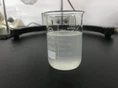

As a supplier of APG425N, I've had numerous interactions with clients eager to understand the product and integrate it into their operations. APG425N, an alkyl polyglucoside (APG), is a non - ionic surfactant derived from renewable raw materials such as glucose and fatty alcohols. It's widely used in various industries due to its excellent environmental profile, mildness, and multifunctional properties.
Initial Familiarization
Chemical Composition and Properties
The first step in the learning curve for using APG425N is understanding its chemical composition. APGs are formed by the reaction of glucose (from starch) with fatty alcohols. In the case of APG425N, it has a specific chain length distribution of fatty alcohols which gives it unique characteristics.
APG425N is known for its high biodegradability, low toxicity, and good foaming ability. It's also compatible with a wide range of other surfactants, which makes it a versatile ingredient in formulations. For example, when used in cleaning products, it can enhance the cleaning power while being gentle on the skin.
Safety and Handling
Safety is of utmost importance when dealing with any chemical product. APG425N has a relatively low hazard profile compared to many other surfactants. However, it's still crucial to follow proper safety protocols.
Users need to learn about the appropriate personal protective equipment (PPE) to wear, such as gloves and safety glasses. They also need to understand how to store APG425N correctly. It should be stored in a cool, dry place away from direct sunlight and sources of heat. Additionally, the container should be tightly sealed to prevent contamination and evaporation.
Incorporation into Formulations
Compatibility Testing
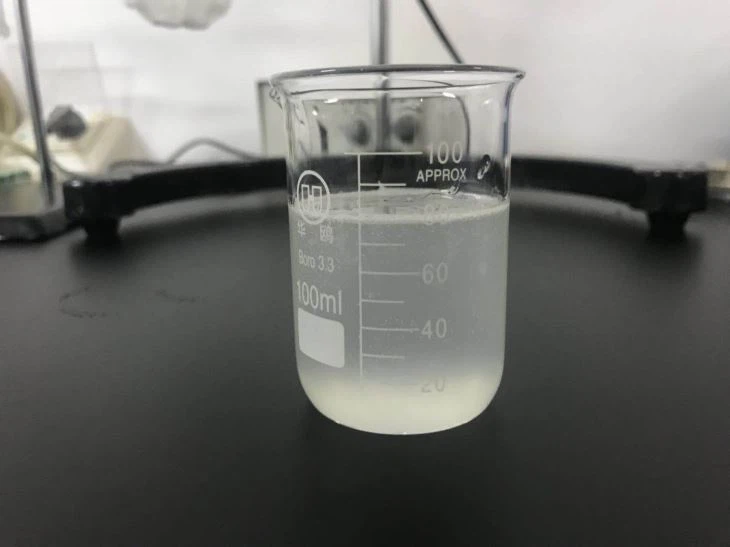
Once users are familiar with the basic properties of APG425N, the next step is to incorporate it into their formulations. Compatibility testing is a critical part of this process. APG425N may be used in combination with other surfactants, polymers, and additives.
For instance, in a shampoo formulation, it might be combined with other anionic or amphoteric surfactants. Compatibility testing involves mixing small amounts of APG425N with other ingredients and observing for any signs of phase separation, precipitation, or changes in viscosity. This step ensures that the final product has the desired stability and performance.

Optimization of Formulations
After initial compatibility testing, users need to optimize the formulation to achieve the best results. This might involve adjusting the concentration of APG425N, as well as the ratios of other ingredients.
In a dishwashing liquid formulation, for example, increasing the concentration of APG425N might improve the foaming and cleaning power. However, too high a concentration could lead to increased costs and potential changes in the product's viscosity. Through a series of trials and experiments, users can find the optimal formulation that meets their specific requirements.
Application - Specific Learning
Detergent Industry
In the detergent industry, APG425N is used in a variety of products, including laundry detergents, dishwashing liquids, and all - purpose cleaners. When using it in laundry detergents, users need to understand its performance in different water hardness conditions.
Hard water can reduce the effectiveness of some surfactants, but APG425N has good tolerance to hard water. It can still provide excellent cleaning and foaming properties, even in areas with high calcium and magnesium ion concentrations.
Personal Care Industry
In the personal care industry, APG425N is a popular choice for products such as shampoos, body washes, and facial cleansers. Its mildness makes it suitable for sensitive skin. However, formulators need to pay attention to the product's pH balance.
APG425N works well in a slightly acidic to neutral pH range. Maintaining the correct pH is crucial for the stability of the product and for ensuring its effectiveness in cleansing while being gentle on the skin and hair.
Agricultural Industry
In the agricultural industry, APG425N can be used as an adjuvant in pesticide formulations. It can improve the wetting and spreading properties of pesticides on plant surfaces. Users need to learn about the appropriate application rates and the compatibility of APG425N with different pesticides.
Over - application of APG425N may lead to phytotoxicity, while under - application may not provide the desired improvement in pesticide performance. Therefore, understanding the specific requirements of each agricultural application is essential.
Advanced Learning
Regulatory Compliance
As regulations regarding chemical products become more stringent, users of APG425N need to stay updated on the relevant regulatory requirements. Different countries and regions have different regulations regarding the use of surfactants in various products.
For example, in the European Union, the REACH (Registration, Evaluation, Authorization and Restriction of Chemicals) regulation sets strict requirements for the registration and use of chemicals. Users need to ensure that their products containing APG425N comply with these regulations to avoid legal issues.
New Applications and Innovations
The field of surfactants is constantly evolving, and there are always new applications and innovations emerging for APG425N. Keeping up with the latest research and industry trends is an important part of the advanced learning curve.
For instance, researchers are exploring the use of APG425N in new areas such as nanotechnology and environmental remediation. By staying informed, users can discover new opportunities to use APG425N in their businesses and gain a competitive edge.
Related Products and Their Synergies
It's also beneficial to explore related products to APG425N. For example, Decyl Glucoside APG 2000UP and Decyl Glucoside APG 2000UP are other types of alkyl polyglucosides that can be used in combination with APG425N. These products may have different chain lengths or properties, which can be exploited to create synergistic effects in formulations.
Similarly, APG 0814/coco Glucoside/CAS:141464 - 42 - 8 can be used in conjunction with APG425N to achieve specific performance goals. Understanding the properties and applications of these related products can further enhance the user's ability to create high - quality formulations.
Conclusion and Call to Action
The learning curve for using APG425N involves several stages, from initial familiarization with its properties and safety to advanced learning about regulatory compliance and new applications. As a supplier, we are committed to providing our customers with the necessary support and information to help them navigate this learning curve successfully.
If you are interested in learning more about APG425N or are considering incorporating it into your products, we invite you to contact us for a detailed discussion. Our team of experts can provide you with technical assistance, samples, and guidance on how to use APG425N effectively in your specific applications. We look forward to the opportunity to work with you and help you achieve your business goals.
References
- "Surfactants in Consumer Products: Theory, Technology, and Application" by J.F. Scamehorn and R.L. Schor.
- "Handbook of Detergents" edited by M.S. Showell.
- Research papers on alkyl polyglucosides published in scientific journals such as "Journal of Surfactants and Detergents".