



Alkyl polyglucosides - or alkyl polyglycosides as the industrially manufactured products are widely known - are a classic example of products which, for a long time, were of academic interest only. The first alkyl polyglucosides was synthesized and identified in the laboratory by Emil Fischer more than 100 years ago. The first patent application describing the use of alkyl polyglucosides in detergents was filed in Germany some 40 years later. Thereafter, another 40 to 50 years went by before research groups in various companies redirected their attention on alkyl polyglucosides and developed technical processes for the production of alkyl polyglucosides on the basis of the synthesis discovered by Fischer.
In the course of this development, Fischer's early work, which involved the reaction of glucose with hydrophilic alcohols, such as methanol, ethanol, glyc erol, etc., was applied to hydrophobic alcohols with alkyl chains from octyl (Csl up to hexadecyl (C16)- the typical fatty alcohols. Fortunately, with regard to their implicational properties, not pure alkyl monoglucosides, but a complex mixture of alkyl mono-, di-,tri-,and oligoglycosides, are produced in the industrial processes. Because of this, the industrial products are called alkyl polyglucosides. The products are characterized by the length of the alkyl chain and the average number of glycose units linked to it, the degree of polymerization.
Rohm & Haas was the first to market an octyl/decyl alkyl polyglucosides in commercial quantities in the late seventies, followed by BASF and later SEPPIC. However, owing to the unsatisfactory performance of this short-chain version as a surfactant and its poor colour quality, applications were limited to few market segments, for example the industrial and institutional sectors.
At the beginning of the 1980s, several companies started programs to develop alkyl polyglucosides in a longer alkyl chain range (C12-14) with a view to making a new surfactant available to the cosmetics and detergent industries. They included Henkel, and Horizon, a division of A. E. Staley Manufacturing Company of Decatur, Illinois, USA.
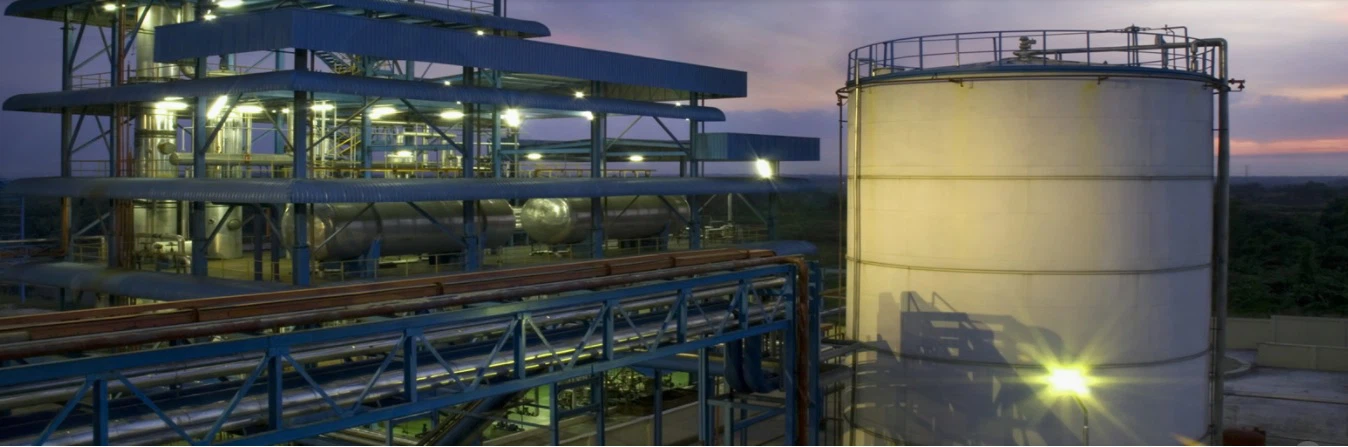
Using both the know-how of Horizon, which it had acquired in the meantime, as well as experience from research and development work at Henkel, Henkel Corporation built a pilot plant to manufacture alkyl polyglucosides in Crosby, Texas. The pilot plant had a capacity of 5000 t p.a., went on line in 1988/1989 and was mainly intended to determine process parameters; to optimize product quality under industrial production conditions and to prepare the market for a new class of surfactants.
During the period from 1990 to 1992, other companies announced their intention to manufacture alkyl polyglucosides with dodecyl/tetradecyl chains, including Chemische Werke Huls, Germany, ICI, Australia, Kao, Japan, and SEPPIC, France.
New peaks in the commercial exploitation of alkyl polyglucosides were reached in 1992 with the inauguration of a 25,000 t p. a. production plant for APG surfactants by Henkel Corporation in the USA and in 1995 with the opening of a second plant of equal capacity by Henkel KGaA in Germany.