




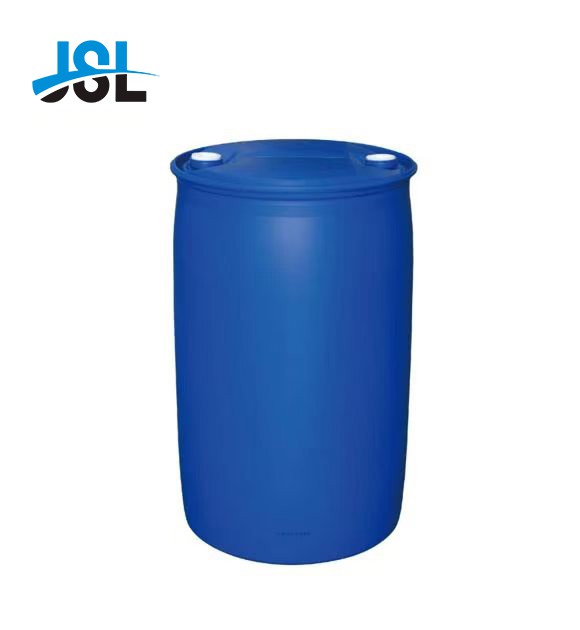
As a supplier of APG 0814, I've been deeply involved in understanding the intricacies of this remarkable product. APG 0814, also known as APG 0814/coco Glucoside/CAS:141464-42-8, is an alkyl polyglucoside with a wide range of applications in various industries, from personal care to household cleaning. One question that often arises in scientific discussions and among our clients is whether there are any sub - structures within APG 0814.
Chemical Composition of APG 0814
To address this question, we first need to understand the basic chemical composition of APG 0814. APG 0814 is a mixture of alkyl polyglucosides, which are non - ionic surfactants derived from renewable raw materials such as glucose and fatty alcohols. The "0814" in its name indicates that the fatty alcohol chain lengths range from C8 to C14. This mixture is formed through a reaction between glucose and a blend of fatty alcohols with carbon chain lengths of 8, 10, 12, and 14 carbons.
The general structure of an alkyl polyglucoside can be represented as R - O - (G)n, where R is the alkyl group (the fatty alcohol chain), G is the glucose unit, and n is the degree of polymerization (DP). The degree of polymerization can vary, typically ranging from 1 to 3, which means that each alkyl chain can be attached to one, two, or three glucose units.
Potential Sub - structures
When considering sub - structures within APG 0814, we can break down the molecule into different components based on the alkyl chain length and the degree of polymerization.
Sub - structures based on alkyl chain length
Since APG 0814 is a mixture of fatty alcohols with chain lengths from C8 to C14, we can think of it as containing sub - structures corresponding to each individual chain length. For example, there are APG molecules with C8 alkyl chains, C10 alkyl chains, C12 alkyl chains, and C14 alkyl chains. Each of these sub - structures has slightly different physical and chemical properties.
- C8 alkyl polyglucosides: These molecules have relatively short alkyl chains. As a result, they are more soluble in water and have lower surface tension - reducing capabilities compared to their longer - chain counterparts. They are often used in applications where high solubility and low viscosity are required.
- C14 alkyl polyglucosides: With longer alkyl chains, these sub - structures are less soluble in water but have better emulsifying and foaming properties. They are useful in formulations where a stable foam or emulsion is desired, such as in some personal care products.
Sub - structures based on degree of polymerization
The degree of polymerization (DP) also creates sub - structures within APG 0814. Molecules with a DP of 1 (monoglucosides) have different properties compared to those with a DP of 2 (diglucosides) or 3 (triglucosides).
- Monoglucosides: These sub - structures are generally more hydrophilic due to the single glucose unit. They have a higher solubility in water and can contribute to the overall cleaning power of APG 0814 in aqueous solutions.
- Diglucosides and triglucosides: As the number of glucose units increases, the molecules become more bulky and have different interactions with other substances. They can affect the viscosity, foam stability, and emulsifying properties of the APG 0814 mixture.
Analytical Techniques for Identifying Sub - structures
To confirm the presence and characteristics of these sub - structures, several analytical techniques can be employed.
High - performance liquid chromatography (HPLC)
HPLC is a powerful tool for separating the different components of APG 0814 based on their chemical properties. By using a suitable stationary phase and mobile phase, we can separate the molecules according to their alkyl chain length and degree of polymerization. The separated components can then be detected and quantified, providing information about the relative abundance of each sub - structure.
Mass spectrometry (MS)
Mass spectrometry can be coupled with HPLC to provide more detailed information about the molecular weight and structure of the sub - structures. MS can identify the exact mass of each component, which helps in determining the alkyl chain length and the number of glucose units attached to the alkyl chain.
Nuclear magnetic resonance (NMR)
NMR spectroscopy is another valuable technique for analyzing the structure of APG 0814. It can provide information about the chemical environment of different atoms within the molecule, allowing us to confirm the presence of specific sub - structures and their relative configurations.
Implications of Sub - structures in Applications
The presence of these sub - structures within APG 0814 has significant implications for its applications.
Personal care products
In personal care products such as shampoos, body washes, and facial cleansers, the different sub - structures work together to provide a combination of properties. The C8 and C10 alkyl polyglucosides contribute to the solubility and low - irritation properties, while the C12 and C14 alkyl polyglucosides enhance the foaming and emulsifying capabilities. The different degrees of polymerization also affect the texture and feel of the product. For example, products with a higher proportion of diglucosides and triglucosides may have a thicker consistency.
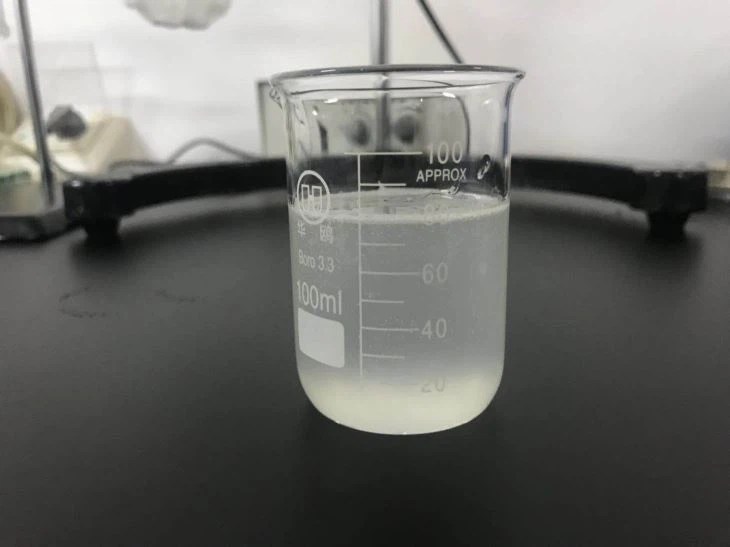
Household cleaning products
In household cleaning products, the sub - structures play a crucial role in determining the cleaning power, solubility, and stability of the formulation. The C8 - C10 sub - structures help in dissolving dirt and grease in water, while the longer - chain sub - structures contribute to the formation of a stable foam that can cling to surfaces and enhance the cleaning effect.
Other Related Products and Their Sub - structures
It's also worth mentioning some related products in our portfolio, such as Decyl Glucoside APG 2000UP and Decyl Glucoside APG 2000UP. Decyl glucoside is a specific type of alkyl polyglucoside with a C10 alkyl chain. Similar to APG 0814, it can have different degrees of polymerization, creating sub - structures that affect its properties. Decyl glucoside is known for its excellent mildness and high solubility, making it a popular choice in many sensitive - skin products.
Conclusion
In conclusion, APG 0814 does contain sub - structures based on both alkyl chain length and degree of polymerization. These sub - structures have distinct physical and chemical properties that contribute to the overall performance of APG 0814 in various applications. Understanding these sub - structures is essential for formulators and manufacturers who want to optimize the performance of their products.
If you are interested in learning more about APG 0814 or our other alkyl polyglucoside products, we invite you to contact us for further discussion and potential procurement. Our team of experts is ready to provide you with detailed information and support to meet your specific needs.
References
- "Surfactants in Consumer Products: Theory, Technology, and Application" by J. Falbe
- "Handbook of Detergents" edited by M. Schramm