
Jeslyee Chemicals: A One-Stop Alkyl Polyglucoside Supplier
Renowned for its good reputation, our company has served dozens of customers globally and has emerged as a leading firm in the chemicals and ingredients sector, with a focus on the surfactant industry.
Why choose us?
Stable Supply
As a professional chemical company, we possess our own laboratories and factories, ensuring a consistent supply and stable quality. Our product range includes alkyl polyglucosides such as APG 0810, APG 0814, APG 1214, lipid layer enhancers, lauryl glucoside, among others.
One-Stop Service
Our philosophy is to marry high-quality products with competitive pricing, striving to fulfill chemical needs through comprehensive order services and technical support. We offer advice, solutions, product samples, and any necessary documentation, ensuring you have a dependable partner in the surfactant sector.
Rich Market Experience
Our APG products have been exported to numerous countries and regions, including the United States, Canada, Mexico, Malaysia, Vietnam, the United Arab Emirates, Russia, and Uzbekistan. Our sales team is both experienced and knowledgeable, capable of supporting customers in any region.
Professional Team
We have a team of experts who recommend products based on customer needs. Additionally, every order is fulfilled within the specified deadline, and our professional logistics team provides shipment details according to the order. We have also established a dedicated customer service team to follow up on product feedback.
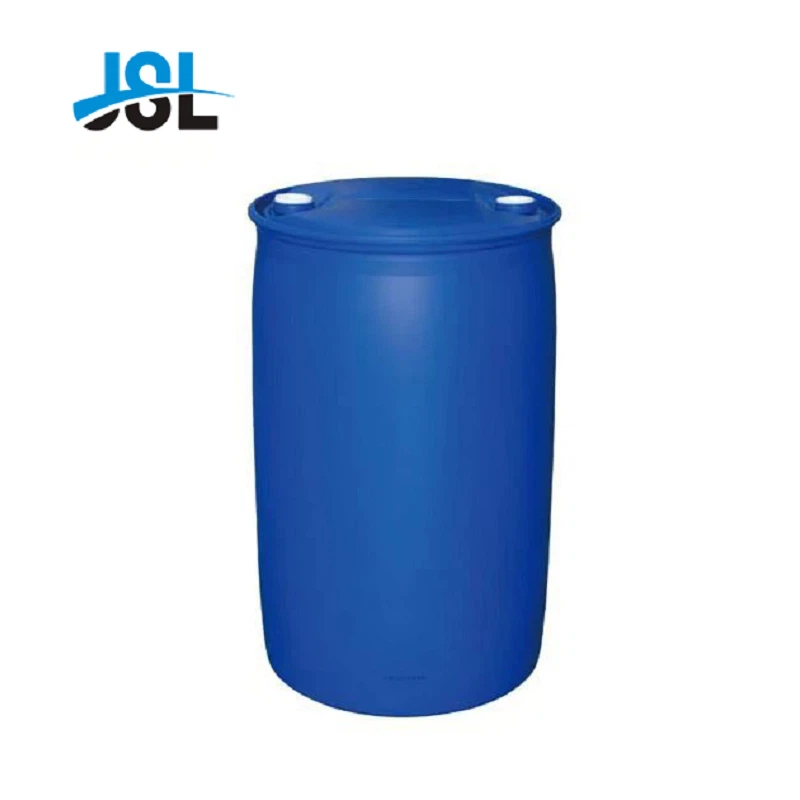
APG 0810H70/Decyl Glucoside/CAS:68515-73-1
APG 0810H70/decyl glucoside/CAS:68515-73-1 Chemical description alkyl (C8-C10) polyglycoside Labeling information INCI name: decyl glucoside CAS-No.: 68515-73-1
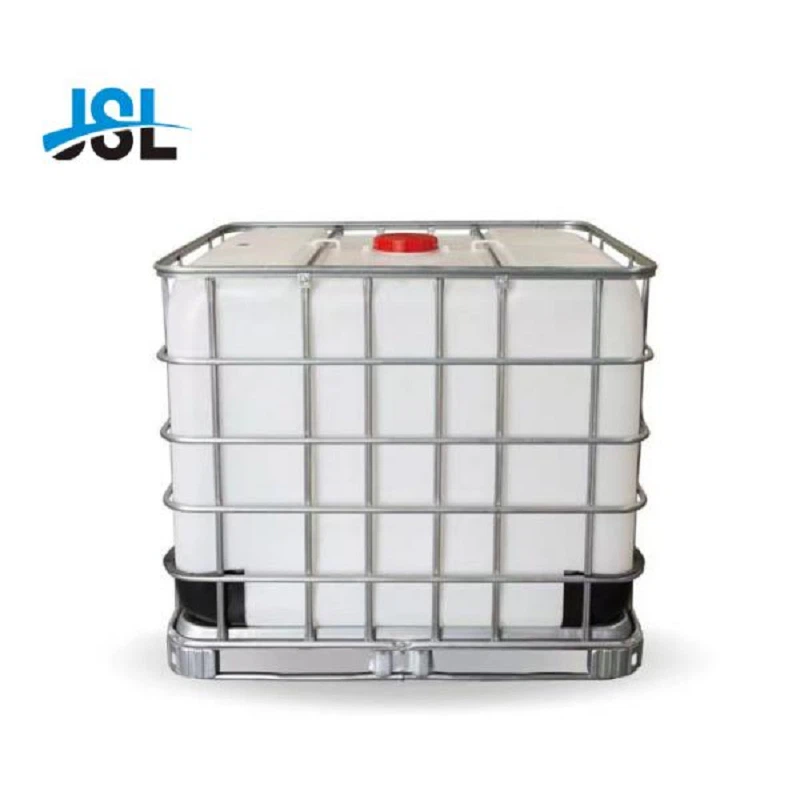
APG 0810H70DK/Decyl Glucoside/CAS:68515-73-1/225DK
APG 0810H70DK/decyl glucoside/CAS:68515-73-1 Chemical description alkyl polyglucoside C8-C10 Labeling information INCI name: decyl glucoside CAS-No.: 68515-73-1

APG 0810H65/Decyl Glucoside/CAS:68515-73-1
APG 0810H65/decyl glucoside/CAS:68515-73-1 Chemical description alkyl polyglucoside C8 - C10 Labeling information INCI name:decyl glucoside CAS-No.:68515-73-1

APG 0810H60/220/Decyl Glucoside/CAS:68515-73-1
APG 0810H60/decyl glucoside/CAS:68515-73-1 Chemical description Aqueous solution of alkyl polyglycosides based on a fatty alcohol C8 - C10

APG 0810/Decyl Glucoside/CAS:68515-73-1
APG 0810/decyl glucoside/CAS:68515-73-1 Chemical description Alkyl(C8-C10) Polyglucoside Labeling information INCI name: decyl glucoside CAS-No.: 68515-73-1

APG 0814/Coco Glucoside/CAS:141464-42-8
APG 0814/coco glucoside/CAS:141464-42-8 Chemical description Aqueous solution of alkyl polyglucosides based on a fatty alcohol C8 - C14

APG 0814CM (APG2000UP) Chemical description Aqueous solution of alkyl polyglucosides based on a fatty alcohol C8 - C16 Labeling information INCI name: Decyl Glucoside CAS-No.: 141464-42-8 or 68515-73-1&110615-47-9 Product properties Appearance: Yellowish, slightly cloudy and...
Caprylyl/Decyl Glucoside APG215 CS UP
APG 0810H65 (APG 215 CS UP) Chemical description Aqueous solution of alkyl polyglucosides based on a fatty alcohol C8 - C10 Labeling information INCI name: Caprylyl/Decyl Glucoside CAS-No.: 68515-73-1 Synonyms: Decyl Glucoside Product properties Appearance Light yellow viscous...
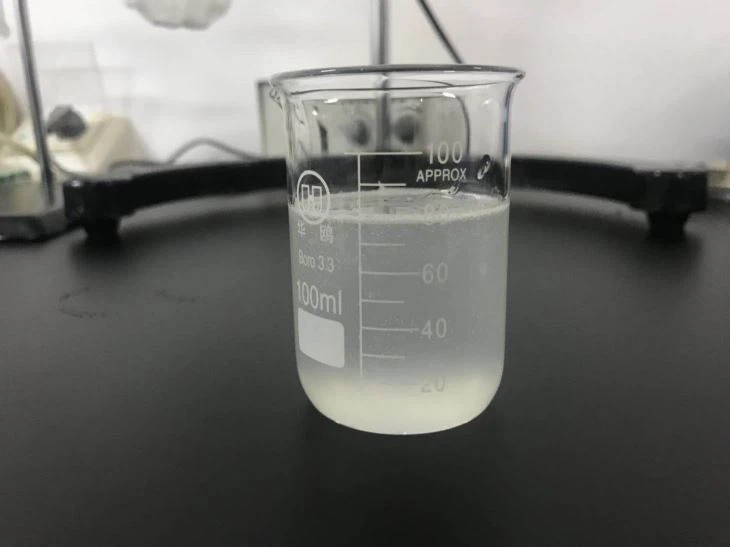
Caprylyl/Decyl Glucoside APG 8170
APG 0810H70 Chemical description Aqueous solution of alkyl polyglucosides based on a fatty alcohol C8 - C10 Labeling information INCI name: Capryl Glucoside CAS-No.: 68515-73-1 Synonyms: Decyl Glucoside Product properties Appearance light yellow liquid Physical properties Solid...
What Is Decyl Glucoside APG 2000UP
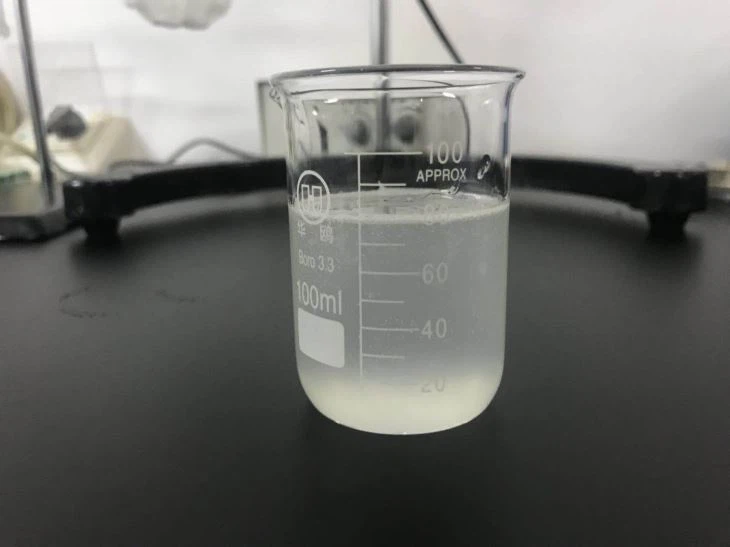
Decyl Glucoside APG 2000UP constitutes a non-ionic surfactant derived entirely from renewable, plant-based sources. This substance exists as a cloudy, viscous aqueous solution comprised of C8-C16 fatty alcohol polyglycosides. Notable for its exceptional foaming ability and favorable dermatological profile, it serves well as either a principal surfactant or a co-surfactant in various cosmetic cleansing formulations. As a gentle yet potent alternative to formulations containing PEG/sulfates, it aligns with natural product standards as outlined by the Cosmos criteria.
Decyl Glucoside APG 2000UP constitutes a natural, renewable surfactant sourced from coconut oil and glucose. As a gentle yet potent non-ionic surfactant, it serves admirably in hard surface cleaning preparations as a wetting agent. Moreover, its functionality extends to roles as a solubilizer and hydrotrope in diverse formulations.
Upholding safety and sustainability, Decyl Glucoside APG 2000UP aligns with international standards for personal care and cleaning products. Its profile makes it a favored choice for formulators seeking to incorporate natural and renewable components into their products.
Furthermore, Decyl Glucoside APG 2000UP showcases remarkable adaptability and environmental consciousness. Derived from sustainable sources, this mild, effective non-ionic surfactant fulfills multiple roles, including that of a wetting agent, solubilizer, and hydrotrope. Decyl Glucoside (C8-10) stands as a testament to safety and sustainability in the creation of eco-conscious, biodegradable personal care and cleaning products.
Decyl Glucoside APG 2000UP Main Applications
In cosmetics: Alkyl Polyglycosides, also known as APGs, function as non-ionic surfactants. They represent a cutting-edge generation of eco-friendly surfactants, recognized for being non-allergenic, moisturizing, and derived from sustainable sources. Caprylyl glycosides, in particular, are favored for use in a variety of cosmetic formulations due to their mildness and suitability for sensitive skin types. Not only do these surfactants provide excellent foaming and moisturizing properties, but they also effectively reduce surface tension. APGs are commonly found in a wide array of personal care products, including organic shampoos, laundry detergents, body cleansers, infant care items, moisturizers, and creams, among others. Depending on the product, APG concentrations may vary from 2% to 30%, influenced by whether the surfactant serves as the primary or secondary agent. For instance, face washes typically contain between 10% and 20%, while shower gels, bath foams, and shampoos usually have concentrations ranging from 15% to 30%.
In the cleaning industry: Caprylyl glycoside serves as a crucial ingredient in various cleaners, including those for hard surfaces, potent cleansers, and concentrates. Its robust wetting capabilities coupled with superior emulsifying characteristics enable an effective mixture of water and grease, streamlining cleaning tasks. Furthermore, its pronounced foaming attributes make it particularly suitable for formulating active foams. Given its natural composition, it is especially apt for outdoor cleaning products that might interact with the environment.
In paints and coatings: Caprylyl glycoside plays a crucial role in boosting the surface's wetting effect, ensuring superior adhesion. Concurrently, it aids in the seamless integration of fatty phase components with those of the aqueous phase.
In agriculture: APG (Alkyl Polyglycoside) is utilized for spraying various formulations on fields and plants, aiming to boost foliar absorption efficiency. Similar to polyglycosides found in plant cell membranes, APG enhances the wetting of leaf surfaces. This facilitates the spray's adhesion and retention on the leaves, prolonging contact time and improving absorption efficiency. Concurrently, it promotes a more uniform distribution of active substances, which are typically hydrophobic and tend to persist in two different phases.
In the textile industry: It is used to clean heavily contaminated fabrics from soiling of fatty or protein origin.
In the paper industry: It is used in the formulation of paper to obtain better adhesion, denser structure.
In school experiments: Oxirane finds application in surface wetting experiments and in the creative field of 'magic milk' art. In the realm of scientific research, it serves as a tool to examine the permeability of cell membranes, given that APG naturally occurs in plant cell structures.
Applications of Decyl Glucoside APG 2000UP
Personal Care Products
Decyl Glucoside APG 2000UP is incorporated into various personal care products, including shampoos, body washes, facial cleansers, and baby products. Known for its gentle yet effective cleansing properties, it generates a rich and stable lather.
01
Household Products
Decyl Glucoside APG 2000UP is included in household cleaning products such as dishwashing liquids and surface cleaners to boost their cleaning effectiveness and foaming characteristics.
02
Eco-friendly Formulations
Originating from renewable plant sources and boasting biodegradable qualities, Decyl Glucoside APG 2000UP qualifies as an eco-conscious option for developing sustainable and environmentally friendly products.
03
Formulation Aid
Decyl Glucoside APG 2000UP functions as a formulation aid, enhancing the stability and performance of both cosmetic and household products.
04
Specification of Decyl Glucoside APG 2000UP
|
Item |
Specification |
|
Type NO. |
APG 2000UP |
|
Appearance |
Colorless to light yellow viscous liquid or paste |
|
Odor |
No abnormal odor |
|
Color (Hazen) |
≤100 |
|
Solid content (%) |
≥50.0 |
|
pH(10% solution) |
≥7.0 |
|
Free Alcohol (%) |
≤1.0 |
Decyl Glucoside APG 2000UP Product Feature :
High Surface Activity and Mildness
Decyl Glucoside APG 2000UP, a superior surfactant, features a unique molecular structure combining the hydrophobic decyl group and the hydrophilic glucose moiety, achieving an optimal HLB balance. This design ensures high surface activity while being extremely gentle on skin and eyes, with lower Hansen solubility parameters than traditional surfactants, making it ideal for personal care products and sensitive skin formulations.
Outstanding Eco-Friendliness
Produced adhering to green chemistry principles, APG 2000UP utilizes renewable resources like plant-based glucose and fatty alcohols, reducing reliance on petrochemicals. Its excellent biodegradability ensures rapid environmental breakdown, minimizing ecosystem impact. Compared to conventional surfactants, APG 2000UP significantly reduces aquatic toxicity, enhancing eco-safety.
Superior Compatibility and Stability
APG 2000UP demonstrates good compatibility in complex cosmetic formulations, capable of stable co-formulation with various actives, emulsifiers, and stabilizers without causing instability or precipitation. Its molecular flexibility and ion strength tolerance contribute to this stability across different pH ranges, maintaining efficacy in both acidic and alkaline conditions.
Efficient Solubilization and Emulsification
With strong solubilizing and emulsifying capabilities, APG 2000UP enhances the solubility of oil-soluble actives in water and vice versa, crucial for formulating stable lotions, microemulsions, and complex systems. In sunscreens, it evenly disperses UV filters, boosting SPF and texture; in perfumery, it improves fragrance solubility and longevity.
Low Foaming and Easy Rinsability
Despite its effective cleaning power, APG 2000UP produces fine, easily rinsable foam, leaving no residue. This makes it perfect for baby care products and gentle facial cleansers seeking a "no burden" cleansing experience.

1. Mild: Decyl Glucoside acts as a mild cleanser, gentle on both skin and hair.
2. Conditioning: It offers conditioning benefits for hair and skin.
3. Non-toxic: Decyl Glucoside is recognized as a non-toxic and non-irritating surfactant.
4. Environmentally friendly: With its biodegradable nature, Decyl Glucoside poses no harm to aquatic life and is eco-friendly.
5. Compatible with other ingredients: It seamlessly integrates with common skincare ingredients like moisturizers, vitamins, and botanical extracts.
6. Stable: Decyl Glucoside maintains stability across a broad range of pH values and temperatures, making it versatile for various products.
Our Factory
At Jeslyee Chemicals, our staff is committed to excellence in all aspects of our business. Our sales associates are experienced and knowledgeable, providing support to all our clients. Technical service is a key component for the continuous growth of Jeslyee Chemicals. We can offer suggestions, solutions, product samples, as well as any required documents, and you will find a reliable partner in the surfactants field. Our values include dedicating ourselves to our clients' success and innovation through thoughtful practices and building long-term relationships with suppliers and customers.
FAQ
Q: What are the benefits of decyl glucoside?
Q: What are the properties of decyl glucoside?
Q: What are the benefits of glucoside face wash?
Q: Is decyl glucoside good for sensitive skin?
Q: What are the side effects of Decyl Glucoside?
Q: What are the hazards of Decyl Glucoside?
Q: What does Decyl Glucoside do to hair?
Q: Can you be allergic to Decyl Glucoside?
Q: What is the difference between Decyl Glucoside and coco glucoside?
Q: What is the usage level of Decyl Glucoside?
Q: Is decyl glucoside irritating?
Q: Is decyl glucoside bad for acne?
Q: What plant does decyl glucoside come from?
Decyl glucoside is produced by the reaction of glucose from corn starch with the fatty alcohol decanol, which is derived from coconut.
Q: What is the alcohol in decyl glucoside?
Q: What are the benefits of Decyl Glucoside for skin?
Q: Is Decyl Glucoside bad for the environment?
Q: Is Decyl Glucoside good for low porosity hair?
Look for gentle surfactants in shampoo. Decyl glucoside is very gentle and great for hair. Cetearyl Alcohol is an emollient that is less likely to weigh hair down than oil. Cocomidopropyl betaine is a gentle surfactant that also has conditioning properties.
Q: Is Decyl Glucoside water or oil soluble?
Q: What are the symptoms of Decyl Glucoside allergy?
Hot Tags: decyl glucoside apg 2000up, China decyl glucoside apg 2000up manufacturers, suppliers, factory, 141464 42 8, decyl glucoside, alkyl polyglycosides, , APG 0814