



Hey there! As a supplier of alkyl glycoside, I often get asked whether alkyl glycoside can be used in agricultural products. Well, let's dive right into this topic and find out!
First off, what exactly is alkyl glycoside? Alkyl glycosides, often abbreviated as APGs, are a class of non - ionic surfactants. They're made from renewable raw materials like fatty alcohols and sugars, which makes them pretty eco - friendly. That's a big plus in today's world where we're all trying to be more sustainable.
Now, let's talk about why alkyl glycoside could be a great fit for agricultural products. One of the main reasons is its excellent surface - active properties. In agriculture, we often use pesticides, herbicides, and fertilizers. These products need to be applied effectively to the plants, and that's where alkyl glycoside comes in.
When it comes to pesticides, for example, they need to spread evenly on the plant surface. If the pesticide solution doesn't spread well, it might form droplets that roll off the leaves, which means a waste of the product and less effective pest control. Alkyl glycoside can reduce the surface tension of the pesticide solution. This allows the solution to spread more uniformly on the plant leaves, covering a larger area. As a result, the pesticide can work more efficiently, and you can use less of it to achieve the same level of pest control.
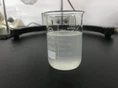
Let's take a look at some of the products we offer. We have APG 0810H70BG/decyl Glucoside/CAS:68515 - 73 - 1/BG - 10. This particular alkyl glycoside has a good balance of hydrophilic and hydrophobic properties. It can enhance the wetting and spreading ability of agricultural chemicals, making them more effective.
Another product is APG 0810H70/decyl Glucoside/CAS:68515 - 73 - 1. It has a relatively high purity and is very stable in different environmental conditions. Whether it's a hot and sunny day or a cool and damp one, this alkyl glycoside can still perform well in agricultural applications.
And then there's APG 0810H60/220/decyl Glucoside/CAS:68515 - 73 - 1. This one is great for formulating different types of agricultural products. It can be easily incorporated into various formulations, whether it's a liquid pesticide or a water - soluble fertilizer.
In addition to its role in spreading pesticides, alkyl glycoside can also improve the compatibility of different agricultural chemicals. Sometimes, when you mix different pesticides or fertilizers together, they might not be very compatible. They could form precipitates or separate, which can cause problems during application. Alkyl glycoside can act as an emulsifier and stabilizer. It helps keep the different components in the mixture well - dispersed, so you don't have to worry about the product separating in the spray tank.
Moreover, alkyl glycoside is relatively non - toxic. In agriculture, we're dealing with products that are going to be in contact with food crops. So, safety is a top concern. Since alkyl glycoside is made from natural raw materials, it's less harmful to the environment and to humans compared to some traditional surfactants. This is especially important when it comes to food safety. If the agricultural products we use are less toxic, it means there's less risk of chemical residues on the food we eat.
But like any product, there are also some things to keep in mind when using alkyl glycoside in agricultural products. The dosage is crucial. If you use too little, you might not get the desired surface - active effect. On the other hand, if you use too much, it could potentially have a negative impact on the plants. For example, it might change the permeability of the plant cell membranes too much, which could affect the plant's normal growth. So, it's important to follow the recommended dosage guidelines.
The pH of the agricultural product also matters. Alkyl glycoside has a certain range of pH stability. If the pH of the pesticide or fertilizer solution is outside this range, the performance of the alkyl glycoside might be affected. So, when formulating the agricultural products, you need to make sure the pH is within the appropriate range for the alkyl glycoside you're using.
In conclusion, alkyl glycoside has a lot of potential in agricultural products. Its surface - active properties can improve the effectiveness of pesticides, herbicides, and fertilizers. Its eco - friendliness and relatively low toxicity make it a great choice for sustainable agriculture. If you're in the agricultural industry and looking for ways to improve the performance of your products, you might want to consider using alkyl glycoside.
If you're interested in learning more about our alkyl glycoside products or want to start a procurement discussion, don't hesitate to reach out. We're always here to help you find the right product for your specific needs.
References:
- Surfactant Science and Technology, Third Edition, by Drew Myers
- Agricultural Chemicals Handbook, various editions for information on pesticide and fertilizer application