



Hey there! As a supplier of APG0810, I often get asked, "Can APG0810 be integrated with other systems?" Well, let's dive right into it and explore the ins and outs of APG0810 integration.
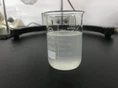
First off, what's APG0810? APG0810, also known as decyl glucoside, is a non - ionic surfactant derived from renewable raw materials like fatty alcohols and glucose. It's got some pretty cool features, such as being biodegradable, mild on the skin, and having good foaming properties. You can check out more details about APG 0810/decyl Glucoside/CAS:68515 - 73 - 1.
Compatibility with Cleaning Systems
One of the most common areas where integration of APG0810 is considered is in cleaning systems. In household cleaning products, APG0810 can be easily integrated with other common ingredients. For example, it works great with enzymes. Enzymes are often used in laundry detergents to break down stains like proteins, starches, and fats. APG0810 can enhance the dispersion of these enzymes in the cleaning solution, making them more effective at removing tough stains.
It's also compatible with other types of surfactants. Anionic surfactants, which are widely used in cleaning products for their strong cleaning power, can be combined with APG0810. The combination can lead to a synergistic effect. APG0810 can reduce the irritation potential of anionic surfactants while still maintaining good cleaning performance. This is especially important in products like dishwashing liquids, where the skin is in direct contact with the cleaning solution.
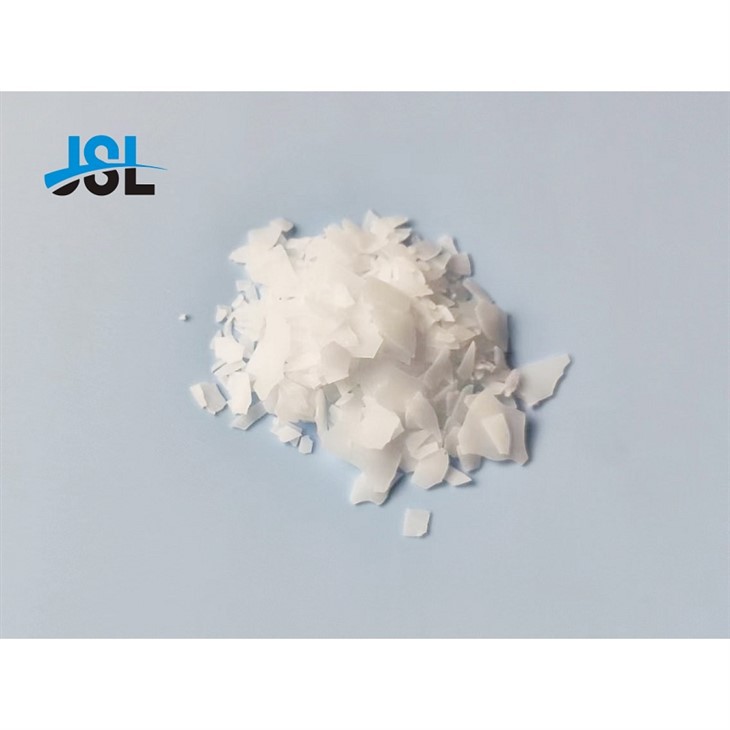

In industrial cleaning, APG0810 can be integrated into systems designed to clean machinery parts. It can be used in combination with solvents and corrosion inhibitors. The mild nature of APG0810 means it won't damage sensitive machine surfaces, while its surfactant properties help in removing dirt, grease, and oil. You can find a specific type of APG0810, APG 0810H70DK/decyl Glucoside/CAS:68515 - 73 - 1/225DK, which might be more suitable for certain industrial cleaning applications.
Integration in Personal Care Systems
When it comes to personal care products, APG0810 is a real star. In shampoos, it can be integrated with conditioning agents. Conditioning agents are used to make hair soft, smooth, and easy to comb. APG0810 helps in evenly distributing these conditioning agents throughout the hair, ensuring that every strand gets the benefits.
In body washes and facial cleansers, APG0810 can be combined with moisturizers. Since it's mild on the skin, it won't strip the skin of its natural oils. And when paired with moisturizers, it can help keep the skin hydrated. For instance, Caprylyl/Decyl Glucoside APG215 CS UP is a great option for formulating high - quality personal care products.
It's also compatible with various active ingredients in personal care. For example, in anti - dandruff shampoos, it can work alongside anti - fungal agents. APG0810 helps in solubilizing these agents and ensuring they reach the scalp effectively.
Challenges in Integration
Of course, integrating APG0810 with other systems isn't always a walk in the park. One of the main challenges is the pH sensitivity. APG0810 has an optimal pH range for stability and performance. In highly acidic or alkaline environments, its properties might change. For example, in a very alkaline cleaning solution, it might start to hydrolyze, which can reduce its effectiveness.
Another challenge is the potential for phase separation. When combining APG0810 with some hydrophobic substances, there's a risk that the two substances might separate over time. This can be a problem in products where a homogeneous mixture is required, like lotions and creams. However, with the right formulation techniques and the use of stabilizers, these challenges can be overcome.
Tips for Successful Integration
If you're looking to integrate APG0810 with other systems, here are some tips. First, do your research on the other components you want to combine it with. Understand their chemical properties, such as solubility, pH range, and reactivity.
Conduct small - scale tests before large - scale production. This will help you identify any potential issues early on, like phase separation or reduced performance. You can adjust the formulation based on the results of these tests.
Also, pay attention to the order of addition. In some cases, adding APG0810 at the right stage in the manufacturing process can make a big difference in the final product's quality.
Conclusion
In conclusion, APG0810 can definitely be integrated with other systems, whether it's in cleaning products, personal care items, or other applications. It offers a lot of benefits due to its mildness, biodegradability, and good surfactant properties. However, like any integration process, it comes with its challenges. But with proper research and experimentation, you can create high - quality products by combining APG0810 with other components.
If you're interested in using APG0810 in your products and want to discuss more about its integration with other systems, feel free to reach out. We can have a detailed chat about your specific needs and how we can help you make the most of APG0810.
References
- Surfactant Science Series: Non - ionic Surfactants, Volume 1, edited by Martin J. Schick
- Handbook of Detergents, Part F: Formulation, edited by Peter J. Ingallina and Keith R. Hall