Jeslyee Chemicals: a One-Stop Lauryl Glucoside Supplier
Renowned for its good reputation, our company has served dozens of customers globally and has emerged as a leading firm in the chemicals and ingredients sector, with a focus on the surfactant industry.
Stable Supply
As a professional chemical company, we possess our own laboratories and factories, ensuring a consistent supply and stable quality. Our product range includes alkyl polyglucosides such as APG 0810, APG 0814, APG 1214, lipid layer enhancers, lauryl glucoside, among others.
One-Stop Service
Our philosophy is to marry high-quality products with competitive pricing, striving to fulfill chemical needs through comprehensive order services and technical support. We offer advice, solutions, product samples, and any necessary documentation, ensuring you have a dependable partner in the surfactant sector.
Rich Market Experience
Our APG products have been exported to numerous countries and regions, including the United States, Canada, Mexico, Malaysia, Vietnam, the United Arab Emirates, Russia, and Uzbekistan. Our sales team is both experienced and knowledgeable, capable of supporting customers in any region.
Professional Team
We have a team of experts who recommend products based on customer needs. Additionally, every order is fulfilled within the specified deadline, and our professional logistics team provides shipment details according to the order. We have also established a dedicated customer service team to follow up on product feedback.

APG 0814/Coco Glucoside/CAS:141464-42-8
APG 0814 can be easily formulated because it does not exhibit a gel phase upon dilution. By reducing the pH value, e.g., with citric acid to below 8.5 the cloudiness being specific for the product disappears thus also enabling the formulation of clear products.

APG 0814N/425N/Coco Glucoside/CAS:141464-42-8
APG 0814N is a nonionic surfactant with a balanced combination regarding the foam volume and the excellent dermatological properties. The turbidity of the product is attributable to a combination of its magnesium oxide content (max. 500 ppm magnesium) and the pH value at which it is supplied.

APG 0810H70/Decyl Glucoside/CAS:68515-73-1
Unlike typical nonionics,APG 0810H70 are highly soluble in concentrated electrolyte solutions and will hydrotrope other less soluble ingredients. It exhibits superior wetting as well as excellent dispersing and surface tension reduction properties for increased soil removal and emulsification.

APG 0810H70BG/Decyl Glucoside/CAS:68515-73-1/BG-10
APG 0810H70BG can be stored in sealed original containers protected from frost and below 43°C for at least 1 year. Because of high viscosity, crystallization may occur at storage temperature below 30°C, the product can be heated and stirred until uniform before use, low pressure steam is acceptable if the product is monitored regularly.

APG 0810H65/Decyl Glucoside/CAS:68515-73-1
APG 0810H65 exhibits excellent caustic stability and solubility in caustic and saline solutions. Due to its good wetting and dispersing properties, it can be used for caustic, neutral and acidic hard surface cleaning for the household and institutional sector.

APG 0810H60/220/Decyl Glucoside/CAS:68515-73-1
APG 0810H60 are a nonionic surfactant that provides superior performance by combining the formulation ease and compatibility of typical nonionics with the solubility and foam characteristics of anionics.

APG 0810H70DK/Decyl Glucoside/CAS:68515-73-1/225DK
APG 0810H70DK is compatible with all other classes of surface active agents. It is completely biodegradable. Main fields of application for APG 0810H70DK are hard surface cleaning, bottle washing and CIP(Clean In Place).

APG 1214/Lauryl Glucoside/CAS:110615-47-9
APG 1214 is well suited for laundry applications, where micellar solubilization, emulsification and detergency are required. These alkyl polyglucoside surfactants function as conventional non-ionic surfactants, but are easy to formulate because they do not exhibit a gel phase upon dilution.

Caprylyl/Decyl Glucoside APG 8170
These products are made from renewable raw materials - glucose derived from corn, and fatty alcohols from coconut and palm kernel oils. Due to their chemistry, they are very mild, low in toxicity, and readily biodegradable.

Brief Introduction to Lauryl Glucoside
Lauryl glucoside is an alkyl polyglucoside composed of C12-16 fatty alcohol glucosides. It serves as a mild surfactant and skin cleanser, offering superb foaming properties derived from natural sources such as corn starch, fatty acids, and coconut. Furthermore, it is non-petrochemical, free of ethoxylation, and easily biodegradable. Lauryl glucoside achieves cleansing outcomes similar to conventional surfactants but also introduces the significant advantage of enhanced mildness in personal care formulations. Not only is it gentle on the skin, but it can also diminish the irritation potential of surfactant blends.
How Lauryl Glucoside is Made
The commercial production of lauryl glucoside and other alkyl polyglucosides typically commences by combining palm, corn, or coconut-derived alcohol with a form of sugar, glucose, or a glucose polymer under acidic conditions. The production of alkyl glucoside first commenced in 1893 through the reaction of glucose with anhydrous ethanol, resulting in the formation of ethyl glucoside.

Features of Lauryl Glucoside
Lauryl glucoside produces an exceptional and stable foam. It is beneficial in hair care products as it enhances hair cleaning without damaging the hair. Additionally, it contributes to the viscosity of the final product.
Lauryl glucoside is a non-ionic surfactant capable of serving as a foaming agent, conditioner, or emulsifier. It is biodegradable. It is recommended to include 5% Lauryl glucoside in your glucoside-based surfactant formulation to increase foam.
When used in conjunction with other glucosides, Lauryl glucoside can improve foam quality and skin conditioning attributes. It demonstrates high efficacy in ionic formulations, enhancing foam richness and emulsification capabilities.
Lauryl glucoside is particularly advantageous in products such as Bath Foams, Shower Gel, and Shampoo, where the goal is to elevate foaming without compromising the natural formula. It is appropriate for use as either a primary surfactant or a co-surfactant in cosmetic cleansing formulations.
Benefits Of Lauryl Glucoside
Used in Toiletries and Personal Hygiene
Lauryl glucoside is a natural surfactant with the ability to lather quite readily. This property positions it as a key ingredient in the formulation of soaps, body and facial washes, and cleaners, where it serves both as a primary surfactant and a co-surfactant. Its non-toxic nature, coupled with its 100% biodegradability and mild surfactant action, renders lauryl glucoside an ideal choice for washing fruits and vegetables.
Helps in Removing Oil and Dirt
As a surfactant, lauryl glucoside efficiently eliminates grease and impurities from surfaces when utilized in conjunction with water. This process is facilitated by lauryl glucoside's ability to reduce the surface tension between the two liquids.
Used as an Element/Ingredient in Personal Care Products
Lauryl glucoside is a non-ionic surfactant, classified within the alkyl polyglucoside family. It aids in hydrating the skin and assists in preventing skin dryness. Its inclusion in skincare products enhances the skin's tolerance to cosmetic formulations.
Safe for Sensitive Skin
Derived from entirely natural sources, lauryl glucoside is non-toxic and highly skin-compatible. Its gentle effect on the skin qualifies it as an ideal ingredient for use on sensitive skin, as it does not cause any rashes or irritation. Additionally, lauryl glucoside is safe for use on baby skin due to its mild nature and the absence of harmful substances like ethylene oxide. It is also utilized in products for pets.
Used Element/Ingredient for Hair Care Products
The bubbling and foaming properties of lauryl glucoside also make it a key ingredient in shampoos. It is non-drying and gentle on all hair textures. Its non-ionic characteristic aids in preserving the hair's natural pH. Additionally, it is utilized in hair mousse to maintain moisture in the hair and keep it frizz-free.
Lauryl Glucoside Labeling Information
|
INCI Name |
Lauryl Glucoside |
|
CAS No. |
110615-47-9 |
|
Appearance |
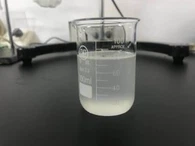
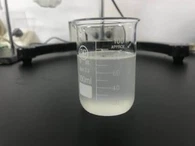
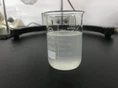
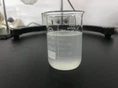
Slightly cloudy and viscous liquid |
|
Solid Content(%) |
50.0-52.0 |
|
Water (wt %) |
48.0-50.0 |
|
PH Value (20% aq.) |
11.5-12.5 |
|
Free Alcohol (wt %) |
1max |
|
Viscosity (mPa·s) |
40°C 2000-4000 |
|
Ash (wt %) |
3max |
Common Applications of Lauryl Glucoside
Lauryl glucoside serves as a foaming agent, conditioner, or emulsifier. It boasts the highest foaming capacity among glucosides and exhibits excellent dermatological compatibility. Its common applications include

Lauryl glucoside can be combined with other glucosides to improve foaming and skin conditioning attributes. Simply incorporating 5% of lauryl glucoside into your glucoside-based surfactant formulation can significantly increase foam production. Lauryl glucoside proves highly effective in ionic formulations, enhancing both foam quality and emulsification characteristics.
Cleansers, body washes, shampoos, toothpaste, wet wipes, conditioners, etc. that are meticulously formulated with this ingredient leave the hair and skin feeling soft and silky.
When incorporated into moisturizers, lotions, and creams, it serves as an emulsifier and stabilizer, thereby facilitating smooth application.
It serves as a primary surfactant or a co-surfactant in cosmetic and household cleaning formulations.
It is beneficial in hair care products as it enhances hair cleaning capabilities without depleting the hair.
Side Effects & Precautions about Lauryl Glucoside
No significant side effects have been reported from the use of lauryl glucoside in recent times. However, occasionally, an allergic reaction to glucosides may occur, causing irritation upon application of products containing lauryl glucoside. It is thus advised to conduct a patch test prior to initial use of any product containing lauryl glucoside. Studies indicate that lauryl glucoside does not induce genetic mutations linked to cancer, nor does it exhibit reproductive or developmental toxicity. In summary, lauryl glucoside is considered safe for use in hair and skincare products.
Although market-ready products contain safe concentrations of lauryl glucoside, caution is unnecessary during regular use. However, manufacturers handling high concentrations of lauryl glucoside should adhere to these safety measures:
- Utilize gloves to prevent skin irritation.
- Don protective eyewear. In case of eye contact, thoroughly rinse with water and seek medical attention if necessary.
- Maintain a well-ventilated work environment.
- In the event of accidental ingestion, immediately consult a physician.
Some of the Most Common Surfactants
Since various surfactants serve different purposes, most cleansing cosmetic products typically contain several types of surfactants to yield optimal results. Let's examine some of the most common surfactants and determine which are best suited for your skin and hair.
Sodium Coco-Sulfate (SCS)
Sodium coco-sulfate is an anionic surfactant similar in structure to sodium lauryl sulfate, making many consumers hesitant to purchase shampoos and shower gels containing it. However, it is much milder than SLS and can be used in small concentrations, even in natural cosmetics. SCS is commonly found in skincare products for oily and normal skin, and in hair care products for normal, oily, and tinted hair. However, if you have dry skin and/or hair, you should be careful with products that contain sodium coco-sulfate.
Cetrimonium Chloride
Cetrimonium chloride is a cationic surfactant that also has antiseptic properties. Like other cationic surfactants, it is used as a conditioning ingredient in skin and hair care products and is combined with anionic surfactants. Pure cetrimonium chloride in high concentrations is an allergen and can be toxic, but it is considered safe when used in low concentrations in rinse-off products.
Cocamide DEA, Lauramide DEA, Linoleamide DEA, and Oleamide DEA
These surfactants are obtained from natural fatty acids; they belong to non-ionic surfactants. Cocamide diethanolamine is derived from coconut oil, lauramide DEA is derived from lauric acid, linoleamide DEA is derived from linoleic acid, and oleamide DEA is derived from oleic acid. Lauramide DEA is considered the most aggressive of these four surfactants.
Decyl Glucoside
This is a mild non-ionic surfactant derived from raw plant materials. Decyl glucoside is added to cosmetic products as an auxiliary surfactant and also acts as a thickener. It is considered one of the safest surfactants and therefore is often used in natural and organic cosmetics.
Lauryl Glucoside
Lauryl glucoside is another mild non-ionic surfactant; it is derived from coconut or palm kernel oil and glucose (which, in its turn, is usually obtained from maize). This surfactant is considered eco-friendly because it is completely biodegradable. In cosmetics, lauryl glucoside is used as a mild cleansing agent and thickener; it also has conditioning properties.
Coco Glucoside
Coco glucoside is also a mild non-ionic surfactant; it is derived from coconut oil or the meat of mature coconuts and grape sugar. This surfactant is especially delicate and, just like other non-ionic surfactants, completely biodegradable. Coco glucoside is suitable for all skin and hair types, which makes it a popular ingredient in natural and organic cosmetics.
Cocamidopropyl Betaine
Cocamidopropyl betaine is an amphoteric surfactant used as a co-surfactant in foaming products in acidic, neutral, and highly alkaline media. It increases the viscosity of cosmetic products, acts as a stabilizer, and regulates foaming. Cocamidopropyl betaine is considered a safe and mild surfactant.
Frequently Asked Questions
Q: What is lauryl glucoside and what are its benefits?
Q: How safe is lauryl glucoside for skin?
Q: What makes lauryl glucoside a good surfactant to include in a routine?
Q: How to use lauryl glucoside for skin?
Q: What are the precautions and potential side effects of using lauryl glucoside for skin?
Q: What is the difference between lauryl glucoside and sodium lauryl sulfate?
Q: Can lauryl glucoside clean excessively oily skin?
Q: Is lauryl glucoside safe for acne-prone skin?
Q: Is lauryl glucoside strong enough to remove makeup?
Q: Why is lauryl glucoside used?
Q: Is lauryl glucoside gentler than decyl glucoside or coco-glucoside?
Q: Is lauryl glucoside safe?
Q: How to use lauryl glucoside?
Q: What are the characteristics of lauryl glucoside?
Q: What is lauryl glucoside 1200 UP?
Q: What is the difference between lauryl glucoside 1200 and 2000 UP?
Hot Tags: caprylyl/decyl glucoside apg215 cs up, China caprylyl/decyl glucoside apg215 cs up manufacturers, suppliers, factory, 68515 73 1, APG0810, alkyl polyglycoside, alkyl polyglycosides, decyl glycoside, 68515-73-1