


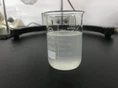

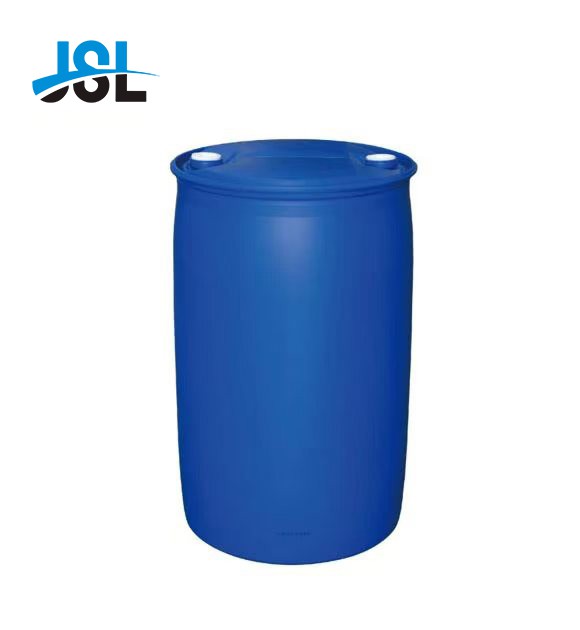
Hey there! As a supplier of APG60, I often get asked whether APG60 can be used in industrial automation. Well, let's dive right into it and explore this topic in detail.
First off, what the heck is APG60? APG60 is a type of alkyl polyglucoside. It's known for being eco - friendly, biodegradable, and having good surface - active properties. These features make it quite unique and potentially useful in various industries.
In industrial automation, the requirements for materials are pretty strict. They need to be reliable, efficient, and compatible with different systems. When it comes to APG60, its chemical and physical properties give it a shot at being part of the industrial automation scene.
Chemical and Physical Properties of APG60
APG60 has a relatively low toxicity level. In industrial automation, where workers might come into contact with the substances used in the processes, low toxicity is a huge plus. It reduces the risk of health problems and makes the working environment safer.
It also has good solubility in water. This property is important because in many industrial automation processes, water - based systems are commonly used. For example, in some cleaning and lubrication operations within automated machinery, a water - soluble substance like APG60 can be easily incorporated into the system.
Moreover, APG60 has excellent foaming and emulsifying properties. In industrial automation, these properties can be used in processes such as surface cleaning of components. Automated cleaning systems can utilize the foaming ability of APG60 to effectively remove dirt and grease from machine parts. And its emulsifying property can help in creating stable mixtures of different substances, which is useful in some chemical processing steps within automation.
Applications in Industrial Automation
Cleaning and Maintenance
One of the most obvious applications of APG60 in industrial automation is in cleaning and maintenance processes. Automated cleaning systems are widely used in factories to keep the machinery in good condition. APG60 can be used as a cleaning agent. It can break down stubborn stains and contaminants on the surfaces of machines.
For instance, in a food processing plant, where automated conveyor belts and packaging machines need to be cleaned regularly, APG60 can be a great choice. Its low - toxicity and biodegradable nature mean that it won't leave harmful residues on the equipment, and it's also environmentally friendly. This is especially important in the food industry, where strict hygiene standards need to be met.
Lubrication
Lubrication is another crucial aspect of industrial automation. Machines need proper lubrication to reduce friction, prevent wear and tear, and ensure smooth operation. APG60 can act as a lubricant additive. When added to a base lubricant, it can improve the lubricating performance.
In automated production lines, where high - speed machinery is constantly in operation, the use of APG60 as a lubricant additive can help extend the lifespan of the equipment. It can also reduce the energy consumption of the machines because less energy is wasted in overcoming friction.
Surface Treatment
In industrial automation, surface treatment of components is often required to improve their performance and durability. APG60 can be used in surface treatment processes. For example, it can be used to modify the surface properties of metal parts. By treating the metal surfaces with APG60, it can enhance the corrosion resistance of the parts. This is beneficial in automated manufacturing processes where the components are exposed to various environmental conditions.
Compatibility with Automated Systems
APG60 is generally compatible with a wide range of materials used in industrial automation. It can work well with metals, plastics, and rubber. This compatibility is essential because industrial automation systems are made up of different materials.
For example, in an automated assembly line, the conveyor belts might be made of rubber, and the mechanical parts might be made of metal. APG60 can be used in the cleaning and lubrication processes of these components without causing any damage or degradation to the materials.
However, like any other substance, there are also some challenges when using APG60 in industrial automation.
Challenges and Limitations
One of the main challenges is the cost. Compared to some traditional substances used in industrial automation, APG60 might be a bit more expensive. This can be a deterrent for some companies, especially those on a tight budget.
Another challenge is the lack of awareness. Many industrial automation engineers and decision - makers might not be fully aware of the potential of APG60. They are more accustomed to using well - known materials and might be hesitant to switch to a relatively new substance.
Market Trends and Future Outlook
The market trend is moving towards more sustainable and eco - friendly solutions in industrial automation. With its biodegradable and low - toxicity properties, APG60 is in line with this trend. As more companies become environmentally conscious, the demand for APG60 in industrial automation is likely to increase.
In the future, we can expect more research and development on APG60 to improve its performance and reduce its cost. This will make it more competitive in the industrial automation market.
Related Products
If you're interested in other alkyl polyglucosides, we also have Caprylyl/Decyl Glucoside APG 8170, APG 0810/decyl Glucoside/CAS:68515 - 73 - 1, and APG 0810H70BG/decyl Glucoside/CAS:68515 - 73 - 1/BG - 10. These products also have their own unique features and can be used in different applications.
Conclusion
So, can APG60 be used in industrial automation? The answer is a definite yes. Its chemical and physical properties, such as low toxicity, water solubility, foaming, and emulsifying abilities, make it suitable for various applications in industrial automation, including cleaning, lubrication, and surface treatment.
Although there are challenges like cost and lack of awareness, the market trend towards sustainability gives APG60 a bright future in this field.
If you're in the industrial automation business and are looking for a reliable and eco - friendly solution, APG60 could be the answer. Don't hesitate to contact us to discuss how APG60 can be incorporated into your industrial automation processes. We're here to help you make the most of this amazing product.
References
- "Industrial Automation Handbook" - A comprehensive guide on the requirements and materials used in industrial automation.
- "Chemistry of Alkyl Polyglucosides" - A scientific publication that details the chemical properties of APG60 and other alkyl polyglucosides.