




Hey there! I'm a supplier dealing with the product CAS: 141464 - 42 - 8. Lately, I've been scratching my head over a big question: What business could have a loss of 141464 42 8? Sounds a bit cryptic, right? But stick with me, and I'll break it all down.
First off, let me tell you a bit about the product I supply, APG 0814/coco Glucoside/CAS:141464 - 42 - 8. It's a pretty nifty thing. This stuff is an alkyl polyglucoside, which is a non - ionic surfactant. In simple terms, it's great at reducing the surface tension of liquids. You can find it in a whole bunch of products.
For instance, in the cleaning industry, it's a star ingredient. It's used in dishwashing liquids, laundry detergents, and all - purpose cleaners. Why? Well, it's biodegradable, which is a huge plus these days. People are getting more and more eco - conscious, and they want products that won't harm the environment. And this APG 0814 fits the bill perfectly. It breaks down naturally in the environment, so you don't have to worry about long - term pollution.
Another big market for APG 0814/coco Glucoside/CAS:141464 - 42 - 8 is the personal care industry. It's in shampoos, body washes, and facial cleansers. It's gentle on the skin, even for people with sensitive skin. You know how some soaps can leave your skin feeling dry and tight? This product doesn't do that. It cleanses without stripping away the skin's natural oils, keeping your skin soft and healthy.
Now, back to the question of what business could have a loss related to this number. One possibility is a manufacturing business. Let's say a company that makes cleaning products or personal care items. If they rely heavily on APG 0814/coco Glucoside/CAS:141464 - 42 - 8 as an ingredient, and there's a sudden shortage in the supply. Maybe there's a problem at the production plant, like a machinery breakdown or a raw material shortage.
This could lead to a halt in production. They might have to delay orders, which means unhappy customers. And if they can't meet their contracts, they could face financial penalties. All these things add up to a loss. The company might also have to pay more for alternative ingredients, which would increase their production costs. And if they can't pass these costs on to the customers, their profit margins take a hit.
Another scenario could be in the distribution business. Let's say a distributor has a large stock of APG 0814/coco Glucoside/CAS:141464 - 42 - 8. But then, there's a change in market demand. Maybe a new, more cost - effective or environmentally friendly alternative hits the market. Suddenly, the distributor's stock becomes less valuable. They might have to sell it at a discounted price to get rid of it, which results in a loss.
The R & D (research and development) side of the business could also face losses. A company might invest a lot of money in researching new applications for APG 0814/coco Glucoside/CAS:141464 - 42 - 8. They hire scientists, buy equipment, and run experiments. But if the research doesn't yield any commercially viable results, all that money is down the drain. And that's a significant loss for the company.
Let's talk about the global market situation. If there are trade restrictions or tariffs imposed on APG 0814/coco Glucoside/CAS:141464 - 42 - 8, it can really mess things up. For exporters, it means their products become more expensive in the international market. This could lead to a decrease in demand, as foreign buyers might look for cheaper alternatives. And for importers, the cost of bringing in the product goes up. They either have to increase the price for their customers, which could reduce sales, or absorb the cost, which cuts into their profits.
There's also the issue of quality control. If a manufacturer has a batch of APG 0814/coco Glucoside/CAS:141464 - 42 - 8 that doesn't meet the quality standards. They can't sell it as is. They might have to re - process it, which costs time and money. Or they might have to discard the batch altogether, which is a direct loss of the raw materials and the production cost.
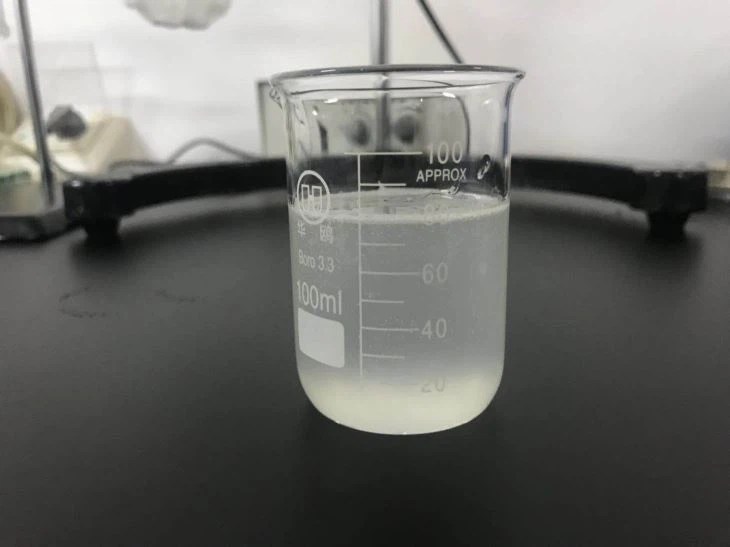
Now, let me tell you a bit more about one of the related products, Decyl Glucoside APG 2000UP. It's a specific type of alkyl polyglucoside with some unique properties. It has a higher purity level compared to some other similar products. This makes it even more suitable for high - end applications, like in premium personal care products.
In the personal care industry, the quality of ingredients matters a lot. Consumers are willing to pay more for products that are made with high - quality ingredients. So, companies that use Decyl Glucoside APG 2000UP can position their products as premium offerings. But if there's a problem with the supply of this product, it can disrupt their business model.
To sum it all up, there are many businesses that could face losses related to the product CAS: 141464 - 42 - 8. Whether it's due to supply shortages, changes in market demand, trade issues, or quality problems, the impact can be significant.
If you're in the business of using APG 0814/coco Glucoside/CAS:141464 - 42 - 8 or Decyl Glucoside APG 2000UP in your products, I'm here to help. I've got a reliable supply of these products, and I can work with you to ensure you get the quantity and quality you need. If you're interested in learning more or want to start a procurement discussion, don't hesitate to reach out. Let's talk about how we can do business together and avoid those potential losses.
References:
- Industry reports on alkyl polyglucosides
- Market research on cleaning and personal care products
- News articles on trade and supply chain issues in the chemical industry