





As a supplier of coco glycoside, I've often been asked about the potential applications of this versatile ingredient, especially in leather care products. In this blog post, I'll delve into the properties of coco glycoside and explore whether it can be effectively used in leather care.
Understanding Coco Glycoside
Coco glycoside, also known as alkyl polyglucoside (APG), is a non - ionic surfactant derived from renewable raw materials such as coconut oil and glucose. It is known for its excellent biodegradability, low toxicity, and mildness to the skin. These properties make it a popular choice in various industries, including personal care, household cleaning, and industrial applications.
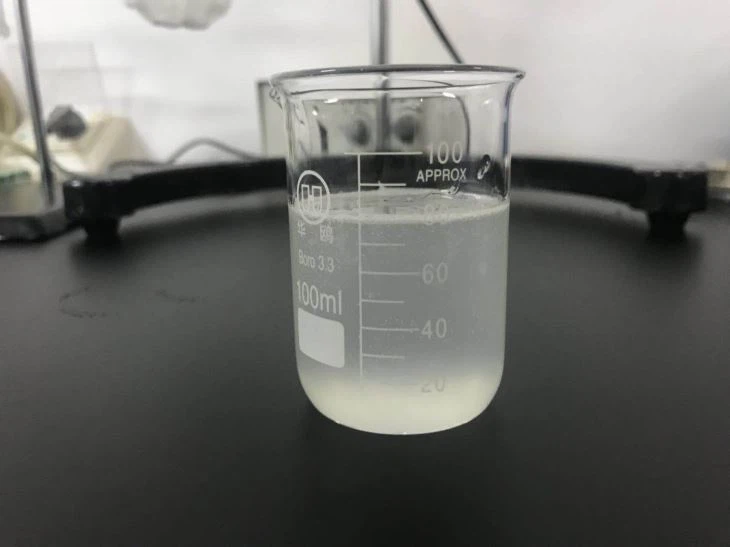
There are different types of coco glycoside products available in the market. For example, APG 0814/coco Glucoside/CAS:141464 - 42 - 8 is a commonly used grade. It has a good balance of hydrophilic and hydrophobic properties, which allows it to effectively reduce the surface tension of water and enhance the wetting and spreading ability. Another type is APG 0814N/425N/coco Glucoside/CAS:141464 - 42 - 8, which may have specific performance characteristics suitable for different applications. Decyl Glucoside APG 2000UP is also a well - known product with its own unique properties.
Requirements for Leather Care Products
Leather care products have several key requirements. Firstly, they need to clean the leather effectively. Leather can accumulate dirt, dust, and oils over time, and a good leather cleaner should be able to remove these contaminants without damaging the leather's structure. Secondly, leather care products should condition the leather to keep it soft, supple, and prevent it from drying out and cracking. Additionally, they should protect the leather from environmental factors such as UV rays, moisture, and abrasion.
Potential Benefits of Using Coco Glycoside in Leather Care Products
Cleaning Ability
Coco glycoside has excellent cleaning properties. Its surfactant nature allows it to break down and remove dirt, oil, and other contaminants from the leather surface. Unlike some harsh chemical cleaners, coco glycoside is gentle and does not cause damage to the leather fibers. It can penetrate into the pores of the leather to lift out dirt without stripping away the natural oils that keep the leather soft and flexible.
Conditioning Properties
The mildness of coco glycoside makes it suitable for conditioning leather. It can help to retain the moisture in the leather, preventing it from drying out. This is crucial for maintaining the leather's suppleness and preventing cracking. Coco glycoside can also form a thin, protective film on the leather surface, which helps to keep the moisture in and protect the leather from external damage.
Biodegradability and Environmental Friendliness
In today's environmentally conscious world, the biodegradability of leather care products is an important consideration. Coco glycoside is derived from natural and renewable resources and is readily biodegradable. Using coco glycoside in leather care products can reduce the environmental impact compared to traditional synthetic surfactants.
Compatibility with Other Ingredients
Coco glycoside is compatible with a wide range of other ingredients commonly used in leather care products. It can be easily formulated with oils, waxes, and other additives to create a comprehensive leather care solution. This allows for the development of products that can meet different leather care needs, such as cleaning, conditioning, and protection.
Challenges and Considerations
Formulation Optimization
While coco glycoside has many potential benefits for leather care, formulating it into effective leather care products requires some optimization. The concentration of coco glycoside needs to be carefully adjusted to achieve the right balance between cleaning, conditioning, and other properties. Different types of leather, such as full - grain leather, top - grain leather, and corrected - grain leather, may also require different formulations.
Performance in Different Environments
The performance of coco glycoside - based leather care products can be affected by environmental factors. For example, in high - humidity environments, the protective film formed by coco glycoside may need to be more resistant to moisture to prevent the growth of mold and mildew on the leather. In low - humidity environments, the conditioning effect of coco glycoside may need to be enhanced to prevent the leather from drying out.
Case Studies and Research
Although there is relatively limited specific research on the use of coco glycoside in leather care products, there are some general studies on the application of non - ionic surfactants in leather processing. These studies have shown that non - ionic surfactants can improve the wetting, penetration, and dispersion of other chemicals in leather treatment processes. Given the similar properties of coco glycoside as a non - ionic surfactant, it is reasonable to expect that it can have positive effects in leather care.
Some small - scale trials have also been conducted on using coco glycoside in leather care products. The results have shown that products containing coco glycoside can effectively clean and condition leather, and users have reported that the leather feels softer and more supple after treatment.
Conclusion
In conclusion, coco glycoside has great potential for use in leather care products. Its cleaning, conditioning, and environmental - friendly properties make it an attractive option for formulating leather cleaners, conditioners, and protectants. However, further research and development are needed to optimize the formulations and ensure consistent performance in different leather types and environmental conditions.
If you are interested in exploring the use of coco glycoside in your leather care product formulations, I would be more than happy to discuss the possibilities with you. As a reliable coco glycoside supplier, we can provide you with high - quality products and technical support to help you develop innovative and effective leather care solutions. Contact us for more information and to start a procurement negotiation.
References
- "Surfactants in Leather Processing" - Journal of Leather Science and Technology
- "Properties and Applications of Alkyl Polyglucosides" - International Journal of Surfactant Research