





Decyl glucoside is a well - known and versatile ingredient in the world of personal care products. As a decyl glucoside supplier, I often receive inquiries about its potential applications, and one question that comes up frequently is whether it can be used in deodorants. In this blog post, we will explore the scientific aspects, advantages, and considerations of using decyl glucoside in deodorant formulations.
Understanding Decyl Glucoside
Decyl glucoside is a non - ionic surfactant derived from natural raw materials such as coconut oil and glucose. It is known for its mildness, biodegradability, and excellent foaming properties. The chemical structure of decyl glucoside consists of a hydrophilic glucose head and a hydrophobic decyl tail, which allows it to interact with both water and oil - based substances. This makes it an ideal ingredient for a wide range of applications, from shampoos and body washes to dishwashing liquids.
The mildness of decyl glucoside is due to its non - ionic nature, which means it does not carry a charge. This reduces the risk of skin irritation compared to ionic surfactants, making it suitable for sensitive skin. Additionally, its biodegradability is an important environmental advantage, as it breaks down easily in the environment without causing long - term pollution.
The Role of Decyl Glucoside in Deodorants
Cleansing and Odor Removal
One of the primary functions of a deodorant is to remove or reduce body odor. Body odor is caused by the breakdown of sweat by bacteria on the skin. Decyl glucoside can play a crucial role in this process. Its excellent cleansing properties allow it to effectively remove sweat, dirt, and bacteria from the skin surface. By removing the source of odor, it helps to keep the underarms fresh and odor - free.
When used in a deodorant formulation, decyl glucoside can be part of a gentle cleansing system that does not strip the skin of its natural oils. This is important because over - cleansing can disrupt the skin's natural barrier function, leading to dryness, irritation, and potentially more odor - causing bacteria growth.
Compatibility with Other Ingredients
Decyl glucoside is highly compatible with a variety of other ingredients commonly used in deodorants. It can be combined with natural fragrances, essential oils, and antimicrobial agents to enhance the overall performance of the deodorant. For example, it can work in tandem with tea tree oil, which has natural antibacterial properties, to provide a more effective odor - control solution.
Moreover, its non - ionic nature makes it compatible with both cationic and anionic ingredients, allowing for greater flexibility in formulating deodorants. This means that formulators can create unique and effective deodorant products that meet different consumer needs.
Advantages of Using Decyl Glucoside in Deodorants
Mildness for Sensitive Skin
As mentioned earlier, decyl glucoside is extremely mild on the skin. This is especially important for deodorants, as the underarm area is one of the most sensitive parts of the body. Many people with sensitive skin experience irritation from traditional deodorants that contain harsh chemicals such as aluminum salts and synthetic fragrances.
By using decyl glucoside in deodorants, manufacturers can create products that are gentle enough for daily use, even for those with the most sensitive skin. This can lead to increased customer satisfaction and brand loyalty.
Natural and Sustainable Appeal
In today's market, consumers are increasingly looking for natural and sustainable personal care products. Decyl glucoside fits the bill perfectly. It is derived from renewable resources and is biodegradable, making it an environmentally friendly choice.
Deodorants that contain decyl glucoside can be marketed as natural and sustainable, appealing to eco - conscious consumers. This can give manufacturers a competitive edge in the market and help to attract a wider customer base.
Considerations When Using Decyl Glucoside in Deodorants
Foaming and Texture
While decyl glucoside is known for its foaming properties, this may not always be desirable in a deodorant. Deodorants typically come in various forms such as sprays, roll - ons, and sticks, and the foaming action of decyl glucoside may not be suitable for all these formats.
Formulators need to carefully consider the texture and application method of the deodorant when using decyl glucoside. For example, in a roll - on deodorant, a high - foaming formulation may not be practical. However, in a wash - off deodorant or a deodorant body wash, the foaming properties can be an added advantage.
Antimicrobial Efficacy
Although decyl glucoside has some antibacterial properties, it may not be as effective as dedicated antimicrobial agents in completely eliminating odor - causing bacteria. Therefore, in deodorant formulations, it is often necessary to combine decyl glucoside with other antimicrobial ingredients to ensure long - lasting odor protection.
Our Decyl Glucoside Products
As a decyl glucoside supplier, we offer a range of high - quality decyl glucoside products that are suitable for deodorant formulations. Our APG 0810H65/decyl Glucoside/CAS:68515 - 73 - 1 is a pure and concentrated form of decyl glucoside that can be easily incorporated into various deodorant recipes. It has excellent solubility and stability, ensuring consistent performance in the final product.
Another product, APG 0810/decyl Glucoside/CAS:68515 - 73 - 1, is a more cost - effective option without compromising on quality. It is suitable for large - scale deodorant production.
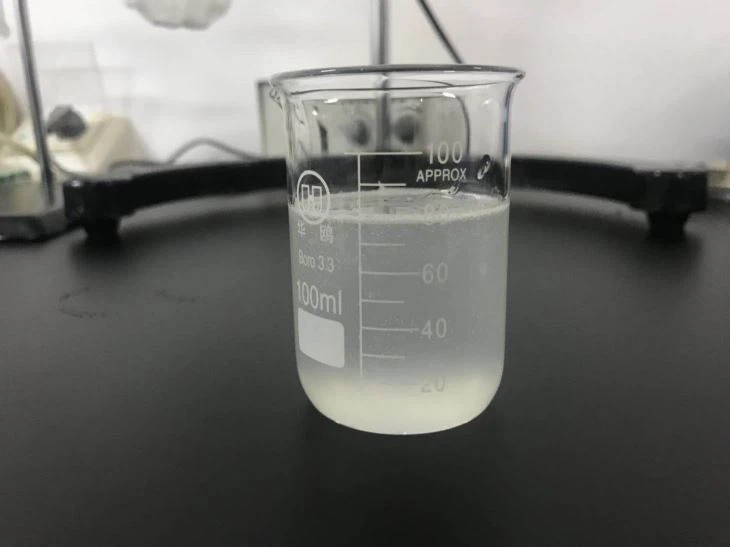
Our Caprylyl/Decyl Glucoside APG 8170 is a blend that offers a unique combination of properties, including enhanced foaming and mildness. It can be used to create innovative deodorant products with a pleasant sensory experience.
Conclusion
In conclusion, decyl glucoside can be a valuable ingredient in deodorants. Its mildness, cleansing properties, and compatibility with other ingredients make it a suitable choice for creating effective and gentle deodorant products. However, formulators need to carefully consider factors such as foaming and antimicrobial efficacy when using it in deodorant formulations.
If you are a deodorant manufacturer or formulator interested in using decyl glucoside in your products, we would love to hear from you. Our team of experts can provide you with technical support and samples to help you create the perfect deodorant formulation. Contact us today to start a discussion about your specific needs and how our decyl glucoside products can benefit your business.
References
- Cosmetics and Toiletries Association. "Surfactants in Personal Care." A comprehensive guide on the use of surfactants in the cosmetics industry.
- Journal of Cosmetic Science. Research articles on the properties and applications of decyl glucoside in personal care products.
- Manufacturer's data sheets for decyl glucoside products, providing detailed information on their chemical composition, properties, and recommended uses.