




Hey there! I'm a supplier of APG 70, and today I'm super excited to dig into all the awesome safety features that this product brings to the table.
First off, let's talk about what APG 70 is. APG stands for Alkyl Polyglucoside, which is a type of non - ionic surfactant. It's made from renewable raw materials like fatty alcohols derived from coconut or palm kernel oil and glucose from corn starch. This natural origin is the first big safety plus for APG 70.
Biodegradability
One of the standout safety features of APG 70 is its high biodegradability. In today's world, where environmental concerns are at an all - time high, this is extremely important. APG 70 breaks down quickly and completely in the environment. It doesn't leave behind any harmful residues that could pollute water bodies, soil, or air. When you use products containing APG 70, you can be confident that you're not contributing to long - term environmental damage.
If you're interested in other related APG products, check out APG 0810/decyl Glucoside/CAS:68515 - 73 - 1. It also shares similar eco - friendly properties.
Low Toxicity
APG 70 has very low toxicity levels. It's non - toxic to aquatic life, which is a huge deal. Many traditional surfactants can be extremely harmful to fish, amphibians, and other water - dwelling organisms. But APG 70 won't cause any significant harm even if it finds its way into water sources.
On top of that, it's also relatively non - toxic to humans. It has low skin and eye irritation potential. This makes it a great choice for personal care products like shampoos, body washes, and facial cleansers. People with sensitive skin can often tolerate products with APG 70 better than those with harsher chemicals.
Compatibility with Other Ingredients
APG 70 is highly compatible with a wide range of other ingredients. This is important from a safety perspective because it reduces the risk of chemical reactions that could produce harmful by - products. When formulating products, manufacturers can combine APG 70 with other common ingredients without having to worry too much about unexpected and dangerous reactions.
For example, it can be used in combination with other mild surfactants, preservatives, and fragrances to create stable and safe formulations. This compatibility also means that it can be used in a variety of industries, from household cleaning products to industrial applications.
If you're looking for another APG option, Caprylyl/Decyl Glucoside APG 8170 also offers good compatibility and similar safety features.
Non - Allergenic
APG 70 is generally non - allergenic. Allergies are a major concern for many people, and using products with non - allergenic ingredients can significantly reduce the risk of allergic reactions. Since it's made from natural raw materials, it's less likely to trigger an immune response in most individuals.
In the personal care industry, this is a huge selling point. Products that are labeled as hypoallergenic often contain APG 70 because of its gentle nature. Whether it's a baby shampoo or a sensitive - skin moisturizer, APG 70 can help ensure that the product is safe for a wide range of users.
Stability
APG 70 has good stability under various conditions. It can withstand different temperatures and pH levels without losing its effectiveness or becoming unstable. This stability is important for safety because it means that the product will maintain its intended properties over time.
For example, in cleaning products, it won't break down prematurely and lose its cleaning power. In personal care products, it won't separate or develop mold or bacteria due to instability. This ensures that the products are safe to use throughout their shelf life.
You might also want to explore APG 0810H70DK/decyl Glucoside/CAS:68515 - 73 - 1/225DK, which also offers good stability and safety features.
Safety in Handling
When it comes to handling APG 70, it's relatively safe. It doesn't require any special handling procedures like some hazardous chemicals. Normal safety precautions like wearing gloves and goggles during large - scale handling are usually sufficient.
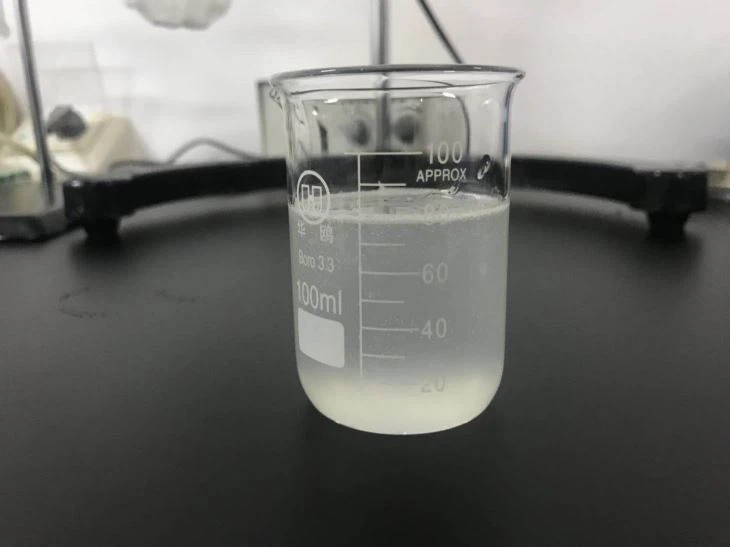

In a manufacturing setting, this makes it easier and safer for workers. They don't have to worry about complex safety protocols or the risk of exposure to highly dangerous substances.
Conclusion
So, there you have it! APG 70 is packed with some amazing safety features. Its biodegradability, low toxicity, compatibility, non - allergenic nature, stability, and ease of handling make it a top choice for a wide range of applications.
If you're in the market for a safe and eco - friendly surfactant, I highly recommend considering APG 70. Whether you're a manufacturer looking to formulate new products or a consumer looking for safer options, APG 70 has got you covered.
If you're interested in purchasing APG 70 or have any questions about its applications, feel free to reach out to start a procurement discussion. We're here to help you find the best solutions for your needs.
References
- "Surfactants: Chemistry, Interfacial Properties, and Applications" - A comprehensive textbook on surfactants that provides in - depth information on the properties of alkyl polyglucosides.
- Industry reports on the use of APGs in personal care and cleaning products, which highlight the safety and environmental benefits of these compounds.