





Coco glucoside is a mild and biodegradable surfactant derived from coconut oil and glucose, which has gained significant popularity in the personal care and household cleaning industries. As a leading coco glucoside supplier, I am often asked about how it works in combination with other surfactants. In this blog post, I will explore the synergistic effects of coco glucoside when paired with different types of surfactants, highlighting its benefits and applications.
Understanding Surfactants and Their Types
Surfactants, short for surface - active agents, are compounds that lower the surface tension between two liquids or between a liquid and a solid. They are classified into four main types: anionic, cationic, non - ionic, and amphoteric.
Anionic surfactants have a negative charge and are known for their strong cleaning and foaming abilities. Examples include sodium lauryl sulfate (SLS) and sodium laureth sulfate (SLES). Cationic surfactants carry a positive charge and are often used in fabric softeners and hair conditioners for their antistatic and conditioning properties. Non - ionic surfactants have no charge and are generally mild and less likely to cause irritation. Coco glucoside belongs to this category. Amphoteric surfactants can have both positive and negative charges depending on the pH of the solution, and they are often used for their mildness and compatibility with other surfactants.
Coco Glucoside and Anionic Surfactants
When coco glucoside is combined with anionic surfactants like SLS or SLES, it can significantly improve the overall properties of the formulation. Anionic surfactants are powerful cleaning agents, but they can also be harsh on the skin, causing dryness and irritation. Coco glucoside, on the other hand, is extremely mild.
The combination of coco glucoside and anionic surfactants results in a more balanced formulation. The mildness of coco glucoside helps to reduce the irritation potential of the anionic surfactants, making the product suitable for sensitive skin. At the same time, the anionic surfactants enhance the cleaning and foaming power of the mixture. For example, in a shampoo formulation, the addition of coco glucoside to SLES can create a rich, creamy lather while reducing the risk of scalp dryness.
In addition, the combination can improve the stability of the formulation. Coco glucoside can help to prevent the precipitation of anionic surfactants in hard water, ensuring that the product remains effective even in areas with poor water quality. This makes the combined product more versatile and reliable for consumers.
Coco Glucoside and Cationic Surfactants
Cationic surfactants are mainly used for their conditioning and antistatic properties. When coco glucoside is combined with cationic surfactants, it can enhance the compatibility of the formulation. Cationic surfactants can sometimes be difficult to formulate with other ingredients due to their charge, but coco glucoside, as a non - ionic surfactant, can act as a bridge between different components.
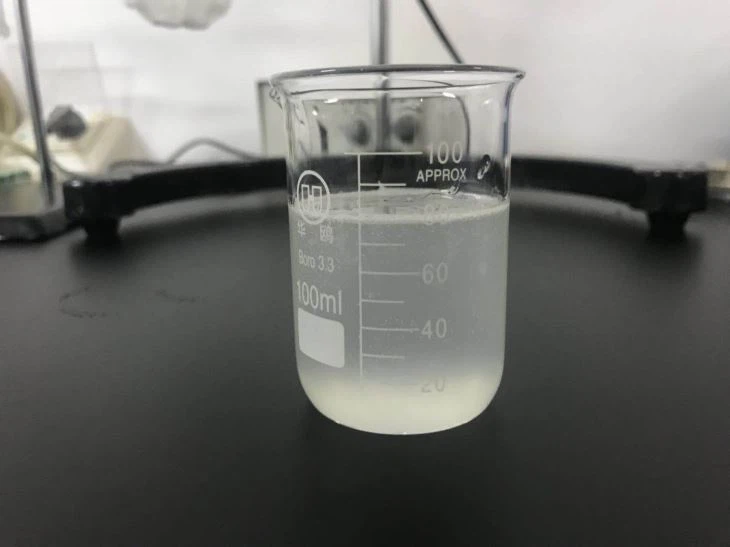
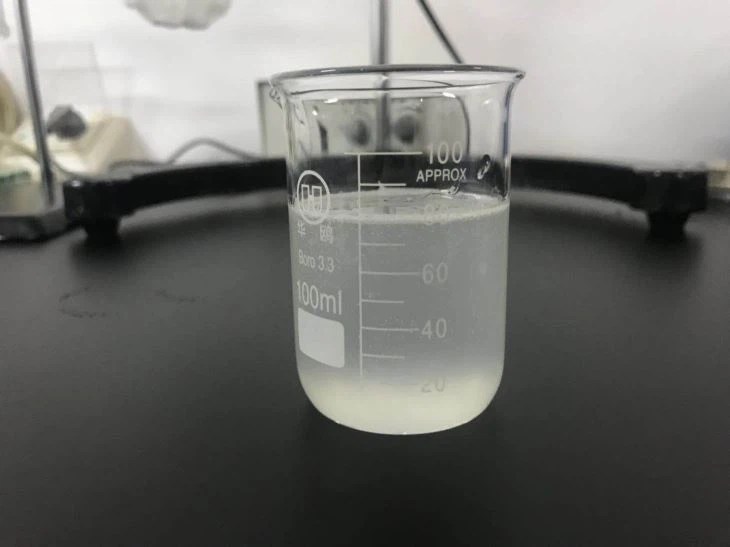
In hair care products, the combination of coco glucoside and cationic surfactants can provide both cleansing and conditioning benefits. The coco glucoside cleanses the hair and scalp, while the cationic surfactant deposits a thin film on the hair shaft, making the hair smoother, shinier, and easier to comb. This synergy allows for the creation of all - in - one hair products that simplify the hair - care routine for consumers.
Coco Glucoside and Amphoteric Surfactants
Amphoteric surfactants are known for their excellent mildness and compatibility with other surfactants. When coco glucoside is combined with amphoteric surfactants such as cocamidopropyl betaine, the result is a formulation that is extremely gentle on the skin and eyes.
This combination is often used in baby products, facial cleansers, and sensitive - skin formulations. The amphoteric surfactant helps to adjust the pH of the solution, making it more skin - friendly, while the coco glucoside enhances the foaming and cleaning power. The two surfactants work together to create a product that effectively cleanses without causing irritation, even on the most delicate skin.
Coco Glucoside and Other Non - ionic Surfactants
Combining coco glucoside with other non - ionic surfactants can lead to enhanced performance in terms of solubilization and emulsification. Non - ionic surfactants are often used to dissolve oils and other hydrophobic substances in water - based formulations.
For example, when coco glucoside is combined with Decyl Glucoside APG 2000UP, which is another non - ionic surfactant, the mixture can have better solubilizing properties. This makes it ideal for use in products such as body washes, where it can effectively dissolve sebum and other skin oils. The combined non - ionic surfactants also provide a stable foam structure, improving the overall sensory experience of the product.
Applications in Different Industries
Personal Care Industry
In the personal care industry, the combination of coco glucoside with other surfactants is widely used in various products. Shampoos, conditioners, body washes, facial cleansers, and baby products all benefit from the synergistic effects. For example, a high - end facial cleanser may contain a blend of coco glucoside, amphoteric surfactants, and anionic surfactants to provide a deep clean while maintaining the skin's natural moisture barrier.
Household Cleaning Industry
In household cleaning products, coco glucoside can be combined with anionic or non - ionic surfactants to create effective and environmentally friendly cleaners. Dishwashing liquids, laundry detergents, and all - purpose cleaners can be formulated with coco glucoside to improve their cleaning power while reducing environmental impact. The mildness of coco glucoside also makes these products safer to handle for consumers.
Advantages of Using Coco Glucoside in Combination
- Mildness: The addition of coco glucoside to a formulation reduces the overall irritation potential, making the product suitable for a wider range of users, including those with sensitive skin.
- Environmental Friendliness: Coco glucoside is biodegradable, and when combined with other surfactants, it can help to create more sustainable products.
- Enhanced Performance: The combination can improve cleaning, foaming, conditioning, and other properties of the product, providing better results for consumers.
If you are interested in learning more about our coco glucoside products or are looking to explore its combination with other surfactants for your formulations, we are here to help. Our Decyl Glucoside APG 2000UP and APG 0814N/425N/coco Glucoside/CAS:141464 - 42 - 8 are high - quality options that can be combined effectively with various surfactants. Contact us to discuss your specific requirements and start a procurement negotiation today.
References
- Rosen, M. J., & Kunjappu, J. T. (2012). Surfactants and Interfacial Phenomena. John Wiley & Sons.
- Falbe, J. (Ed.). (1987). Surfactants in Consumer Products: Theory, Technology and Application. Springer - Verlag.
- Rieger, M. M. (Ed.). (2006). Harry's Cosmeticology. Chemical Publishing.