


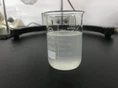

As a supplier of APG 0810, I often receive inquiries from customers not only about its applications and benefits but also about how to dispose of it properly. APG 0810, or Caprylyl/Decyl Glucoside, is a mild and biodegradable surfactant widely used in various industries, including personal care, household cleaning, and industrial applications. However, like any chemical substance, it requires appropriate disposal methods to ensure environmental safety and compliance with regulations. In this blog post, I will share some guidelines on how to dispose of APG 0810 properly.

Understanding APG 0810
Before discussing disposal methods, it's essential to understand the properties of APG 0810. APG 0810 is a non - ionic surfactant derived from renewable raw materials such as coconut oil and glucose. It is known for its excellent biodegradability, low toxicity, and mildness to the skin and eyes. These properties make it a popular choice in many environmentally friendly products.
Check Local Regulations
The first step in proper disposal of APG 0810 is to check local environmental regulations. Different regions may have specific rules regarding the disposal of chemical substances, including surfactants like APG 0810. Some areas may require you to obtain a permit for disposal, while others may have restrictions on the amount that can be disposed of at once. You can contact your local environmental protection agency or waste management authority to get detailed information.
Recycling and Reuse
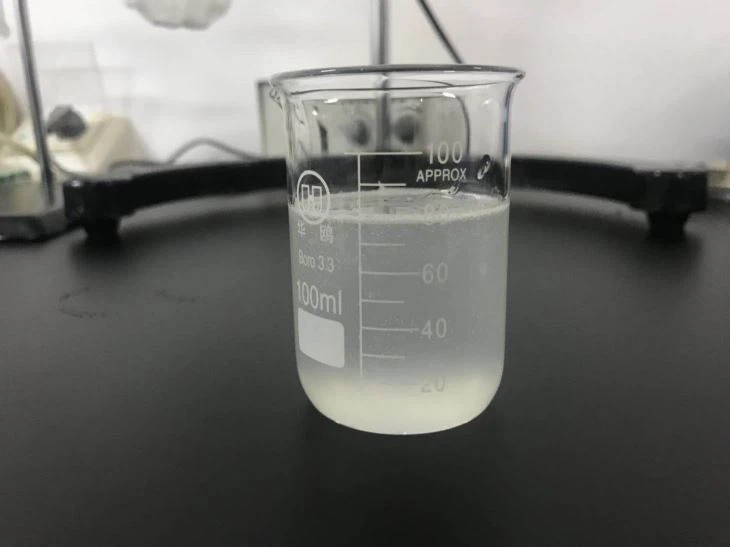
Whenever possible, recycling and reuse are the best options for waste management. APG 0810 can sometimes be reclaimed and reused in certain industrial processes. For example, if you are using APG 0810 in a manufacturing process, you may be able to recover and purify it for further use. This not only reduces waste but also saves costs.
If you are a consumer, you can look for recycling programs in your area. Some recycling facilities may accept products containing APG 0810 and process them to recover valuable materials. Additionally, you can check if there are any local initiatives or organizations that collect and repurpose cleaning or personal care products.
Disposal of Small Quantities
For small quantities of APG 0810, such as the remaining product in a small container, you can usually dispose of it through normal household waste channels. However, it is important to ensure that the container is properly sealed to prevent leakage. You can also dilute the APG 0810 with a large amount of water before disposal to further reduce its concentration.
Disposal of Large Quantities
When dealing with large quantities of APG 0810, such as in an industrial setting, more careful handling is required. One option is to hire a professional waste disposal company. These companies have the expertise and equipment to handle chemical waste safely and in compliance with regulations. They will transport the APG 0810 to a proper treatment facility, where it can be processed through methods such as incineration or biological treatment.
Another option for large - scale disposal is to work with a chemical recycling company. Some companies specialize in recycling surfactants and can transform APG 0810 into other useful products. This approach is more environmentally friendly as it reduces the demand for virgin raw materials.
Safe Handling During Disposal
Regardless of the disposal method, safe handling of APG 0810 is crucial. When handling APG 0810, wear appropriate personal protective equipment (PPE), such as gloves and goggles, to prevent skin and eye contact. Avoid inhaling the vapors or mists of APG 0810. In case of accidental spillage, follow the proper spill - clean - up procedures. Absorb the spill with an inert material, such as sand or vermiculite, and place it in a sealed container for proper disposal.
Product Variants and Their Considerations
We offer different variants of APG 0810, such as [Caprylyl/Decyl Glucoside APG 8170]( /alkyl - polyglucoside/apg - 0810/caprylyl - decyl - glucoside - apg - 8170 - factory.html), [APG 0810H70DK/decyl Glucoside/CAS:68515 - 73 - 1/225DK]( /alkyl - polyglucoside/apg - 0810/naturalapg - 0810h70dk - decyl - glucoside - cas.html), and [APG 0810/decyl Glucoside/CAS:68515 - 73 - 1]( /alkyl - polyglucoside/apg - 0810/apg - 0810 - decyl - glucoside - cas - 68515 - factory.html). While the basic disposal principles remain the same, there may be slight differences in the properties of these variants. For example, some variants may have different concentrations or additional additives. It is important to refer to the safety data sheets (SDS) of each specific product for detailed information on disposal and handling.

Conclusion
Proper disposal of APG 0810 is essential for environmental protection and regulatory compliance. By understanding the properties of APG 0810, checking local regulations, and choosing the appropriate disposal methods, we can minimize the environmental impact of this widely used surfactant. Whether you are a small - scale consumer or a large - scale industrial user, following these guidelines will help ensure that APG 0810 is disposed of safely and responsibly.
If you are interested in purchasing APG 0810 or any of its variants, we are here to provide you with high - quality products and professional services. Contact us for more information and to start a procurement negotiation.
References
- European Union, "Regulation (EC) No 1907/2006 of the European Parliament and of the Council of 18 December 2006 concerning the Registration, Evaluation, Authorisation and Restriction of Chemicals (REACH)", 2006.
- United States Environmental Protection Agency, "Resource Conservation and Recovery Act (RCRA)", 1976.
- International Organization for Standardization, "ISO 14001:2015 Environmental management systems — Requirements with guidance for use", 2015.