



Hey there! As a supplier of APG 0810, I've seen firsthand how this product can be a game - changer in various industries. But like any product, its performance can be optimized to get the most out of it. In this blog, I'm gonna share some tips on how to optimize the performance of APG 0810.
Understanding APG 0810
Before we dive into optimization, let's quickly go over what APG 0810 is. APG 0810 is an alkyl polyglucoside, which is a type of non - ionic surfactant. It's derived from renewable raw materials like glucose and fatty alcohols, making it an eco - friendly option. It has excellent surface - active properties, including good foaming, wetting, and emulsifying abilities. It's widely used in personal care products, household cleaning agents, and industrial applications.
1. Storage and Handling
Proper storage and handling are crucial for maintaining the quality and performance of APG 0810. You should store APG 0810 in a cool, dry place away from direct sunlight and heat sources. High temperatures can cause the product to degrade, which will affect its performance. Also, make sure the storage containers are tightly sealed to prevent contamination.

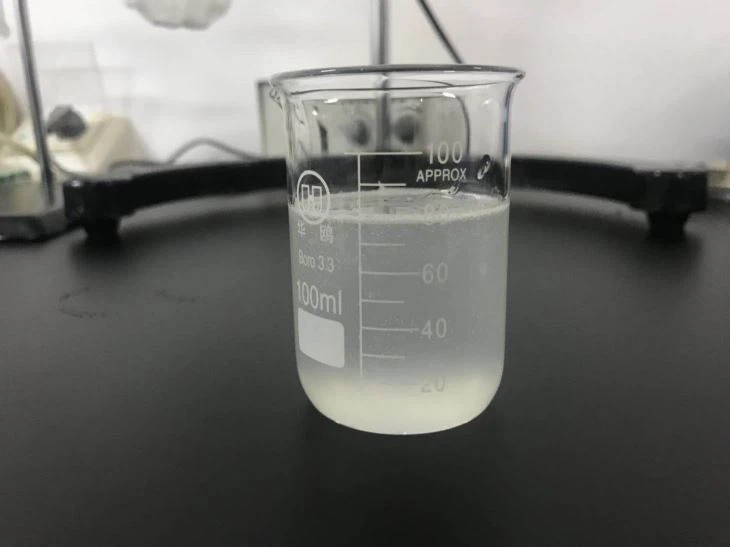
When handling APG 0810, use clean equipment. Contamination from other chemicals or impurities can change the properties of APG 0810. For example, if there are traces of metal ions in the equipment, they might react with APG 0810 and reduce its effectiveness.
2. Concentration Optimization
The concentration of APG 0810 in your formulation plays a big role in its performance. In most cases, there's an optimal concentration range where APG 0810 works best. If the concentration is too low, you might not get the desired foaming, wetting, or emulsifying effects. On the other hand, if the concentration is too high, it could lead to issues like increased viscosity or unnecessary cost.
To find the optimal concentration, you can conduct a series of tests. Start with a baseline concentration based on industry standards or previous experience. Then, gradually increase or decrease the concentration and evaluate the performance of the formulation. For example, if you're using APG 0810 in a shampoo formulation, you can test different concentrations and see which one gives the best foaming and cleaning results.
3. Compatibility with Other Ingredients
APG 0810 is generally compatible with a wide range of other ingredients. However, it's still important to check its compatibility with the specific ingredients in your formulation. Some ingredients might interact with APG 0810 and affect its performance.
For instance, some strong acids or bases can change the pH of the formulation, which in turn can impact the stability of APG 0810. When formulating, make sure to test the compatibility of APG 0810 with all other ingredients. You can do small - scale tests and observe if there are any signs of precipitation, phase separation, or changes in performance.
4. Temperature and pH Considerations
Temperature and pH are two important factors that can affect the performance of APG 0810. APG 0810 has a relatively wide pH stability range, usually between 4 - 10. But extreme pH values outside this range can cause hydrolysis or other chemical reactions, which will reduce its effectiveness.
In terms of temperature, APG 0810 is more effective at certain temperature ranges. Generally, it performs better at moderate temperatures. At very low temperatures, the viscosity of APG 0810 might increase, which can make it difficult to handle and reduce its activity. At very high temperatures, it can degrade. So, when using APG 0810, try to keep the temperature and pH within the appropriate ranges.
5. Blending with Other Surfactants
Blending APG 0810 with other surfactants can sometimes enhance its performance. Different surfactants have different properties, and by combining them, you can achieve synergistic effects. For example, you can blend APG 0810 with an anionic surfactant. The anionic surfactant can enhance the foaming and cleaning power, while APG 0810 can improve the mildness and eco - friendliness of the formulation.
When blending, make sure to choose surfactants that are compatible with APG 0810. You can refer to APG 0810H70DK/decyl Glucoside/CAS:68515 - 73 - 1/225DK for more information on the properties and compatibility of APG 0810.
6. Application - Specific Optimization
The optimization of APG 0810 also depends on the specific application. For example, in personal care products like body washes, you might want to focus on the foaming quality and mildness. You can adjust the formulation to make sure the APG 0810 provides a rich, creamy foam that's gentle on the skin.
In household cleaning agents, the cleaning power and degreasing ability are more important. You can optimize the formulation by adjusting the concentration of APG 0810 and blending it with other suitable ingredients. For industrial applications, factors like stability under different conditions and compatibility with industrial equipment need to be considered.
7. Quality Control of Raw Materials
The quality of the raw materials used to produce APG 0810 can have a significant impact on its performance. As a supplier, we pay close attention to the quality of the glucose and fatty alcohols we use. High - quality raw materials ensure that the APG 0810 has consistent properties and good performance.
When you're using APG 0810 in your formulations, make sure to source it from a reliable supplier. A supplier with strict quality control measures can provide you with a more consistent and high - performing product. You can also refer to products like Caprylyl/Decyl Glucoside APG215 CS UP and Caprylyl/Decyl Glucoside APG 8170 to understand the different grades and qualities of APG 0810 available in the market.
Conclusion
Optimizing the performance of APG 0810 requires a comprehensive approach. By paying attention to storage, concentration, compatibility, temperature, pH, blending, application - specific needs, and raw material quality, you can get the most out of this versatile product.
If you're interested in purchasing APG 0810 or have any questions about its optimization, feel free to reach out for a procurement discussion. We're here to help you make the most of APG 0810 in your formulations.
References
- Surfactant Science Series: Alkyl Polyglucosides - Properties and Applications
- Journal of Surfactants and Detergents: Studies on the Performance of APG 0810 in Different Formulations