


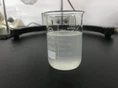
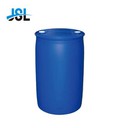

Hey there! As a supplier of alkyl glycoside, I've seen firsthand the importance of proper storage. In this blog, I'm gonna share some tips on how to store alkyl glycoside properly.
Why Proper Storage Matters
First off, let's talk about why it's so crucial to store alkyl glycoside correctly. Alkyl glycoside is a versatile and eco - friendly surfactant that's used in a wide range of industries, like personal care, household cleaning, and industrial applications. If it's not stored properly, its quality can degrade over time. This means it might not perform as well in your products, which can lead to unhappy customers and potential losses for your business.
Ideal Storage Conditions
Temperature
One of the most important factors in storing alkyl glycoside is temperature. Generally, alkyl glycoside should be stored at a cool and stable temperature. A temperature range of 5°C to 30°C (41°F to 86°F) is ideal. Extreme temperatures can cause the product to thicken or separate.
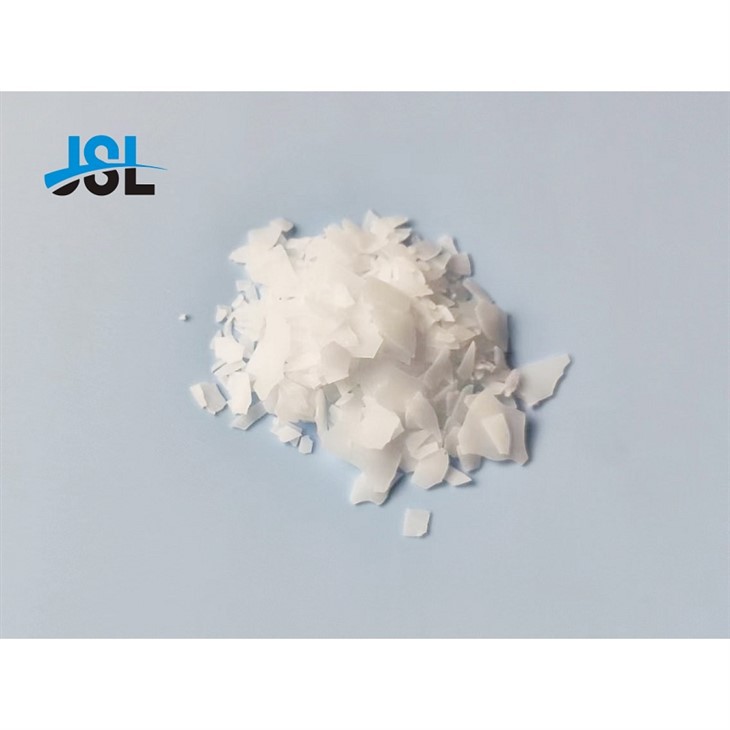
If it gets too cold, alkyl glycoside might start to solidify. For example, if you store it in an unheated warehouse during the winter, you could end up with a thick, almost gel - like substance. On the other hand, high temperatures can accelerate chemical reactions and cause the product to break down. So, make sure you keep it away from direct sunlight and heat sources like radiators or industrial ovens.
Humidity
Humidity also plays a big role. Alkyl glycoside is hygroscopic, which means it can absorb moisture from the air. High humidity levels can lead to the growth of microorganisms in the product, as well as changes in its physical properties. Aim to store it in a dry environment with a relative humidity of less than 60%. You might want to use a dehumidifier in your storage area if the humidity is consistently high.
Container
The container you use to store alkyl glycoside is super important. It should be made of a material that's compatible with the product. Plastic containers made of high - density polyethylene (HDPE) are a popular choice because they're resistant to corrosion and can prevent the product from leaking.
Make sure the container is tightly sealed. This will not only prevent moisture from getting in but also keep out any contaminants. If you're using a large drum, check the lid regularly to ensure it's still properly sealed.
Storage in Different Scenarios
Small - Scale Storage
If you're storing alkyl glycoside in small quantities, like in a laboratory or a small workshop, you can use small plastic bottles or jars. Just make sure to label them clearly with the product name, batch number, and expiration date. Keep these containers in a cool, dry cabinet away from any chemicals that could react with alkyl glycoside.
Large - Scale Storage
For large - scale storage, such as in a factory or a distribution center, you'll probably use large drums or tanks. These should be stored in a dedicated storage area that's well - ventilated. It's a good idea to have a racking system to keep the drums organized and prevent them from tipping over.
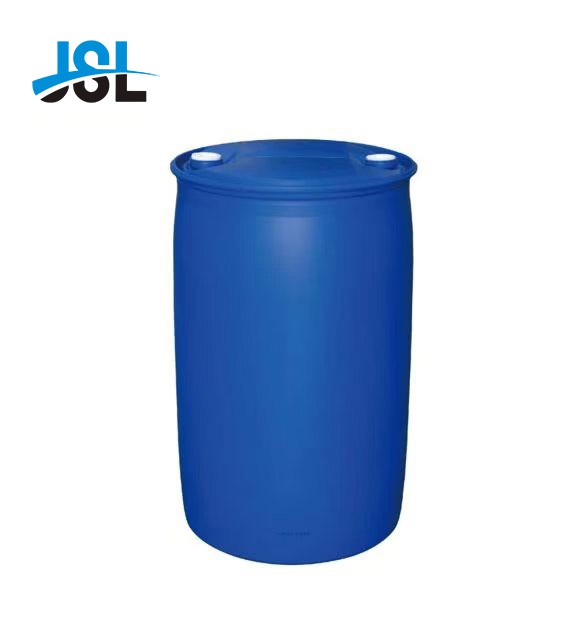
Regularly inspect the drums for any signs of damage, like dents or leaks. If you notice any issues, transfer the product to a new container as soon as possible.
Product - Specific Considerations
Different types of alkyl glycoside may have slightly different storage requirements. For example, our [APG 0810H70/decyl Glucoside/CAS:68515 - 73 - 1]( /alkyl - polyglucoside/apg - 0810/naturalapg - 0810h70 - decyl - glucoside - cas - 68515.html) and [APG 0810H70BG/decyl Glucoside/CAS:68515 - 73 - 1/BG - 10]( /alkyl - polyglucoside/apg - 0810/naturalapg - 0810h70bg - decyl - glucoside - cas.html) have unique chemical compositions. While they generally follow the same basic storage guidelines, it's always a good idea to refer to the product datasheet for any specific instructions.
Another product, [Caprylyl/Decyl Glucoside APG215 CS UP]( /alkyl - polyglucoside/apg - 0810/caprylyl - decyl - glucoside - apg215 - cs - up - factory.html), might have different stability characteristics. So, pay close attention to the information provided for each product.
Monitoring and Rotation
Once you've stored your alkyl glycoside, it's important to monitor it regularly. Check the temperature and humidity in the storage area using a thermometer and a hygrometer. Also, visually inspect the containers for any changes in the product's appearance, such as color changes or the formation of sediment.
Implement a first - in, first - out (FIFO) inventory management system. This means using the oldest stock first to ensure that the product doesn't sit in storage for too long. Over time, even under ideal conditions, alkyl glycoside can gradually lose its effectiveness.
Safety Precautions
When handling and storing alkyl glycoside, safety should always be a top priority. Wear appropriate personal protective equipment (PPE), like gloves and goggles, when transferring the product. In case of a spill, clean it up immediately using absorbent materials.
Keep alkyl glycoside away from sources of ignition, as some forms of it may be flammable under certain conditions. Also, make sure your storage area is equipped with fire - fighting equipment in case of an emergency.
Conclusion
Proper storage of alkyl glycoside is essential to maintain its quality and performance. By following these tips on temperature, humidity, container selection, and monitoring, you can ensure that your alkyl glycoside remains in top - notch condition.
If you're interested in purchasing high - quality alkyl glycoside products, I encourage you to reach out for a procurement discussion. We're here to provide you with the best products and support for your business needs.
References
- Surfactant Handbook: A Comprehensive Guide to Surfactant Chemistry and Applications
- Industrial Chemical Storage Best Practices Manual