





Hey there! As a coco glycoside supplier, I often get asked about how to test the quality of coco glycoside. Well, in this blog post, I'm gonna share some practical ways to do just that.
First off, let's understand what coco glycoside is. Coco glycoside is a mild and biodegradable surfactant derived from coconut oil and glucose. It's widely used in personal care products like shampoos, body washes, and facial cleansers because of its low - irritation properties. Now, onto the testing methods.
Physical Appearance
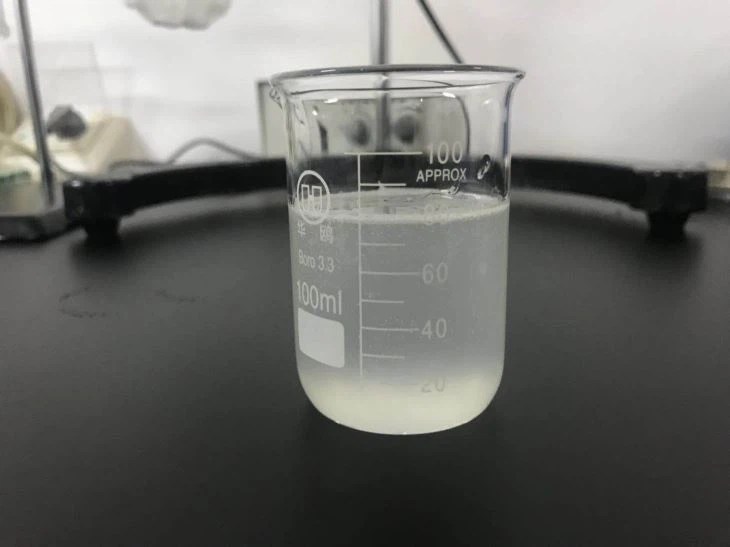
The first thing you can do is to check the physical appearance of coco glycoside. It should be a clear to slightly hazy liquid at room temperature. If it's cloudy, has visible particles, or an unusual color (it's usually a pale yellow), it might indicate some impurities. For example, if there are brownish specks, it could mean there's some contamination during the production process. A good - quality coco glycoside should also have a consistent texture. You can simply take a small sample in a clear container and observe it under normal lighting conditions.
Odor Test
The odor of coco glycoside is another important factor. It should have a mild, characteristic coconut - like smell. A strong, pungent, or off - odor can be a sign of degradation or the presence of unwanted chemicals. For instance, if it smells like a rotten egg, there might be sulfur - containing impurities. To perform the odor test, just take a whiff of the sample from a short distance. But be careful not to inhale too deeply, especially if you suspect it might be contaminated.
pH Value
Testing the pH value of coco glycoside is crucial. It typically has a pH range between 10 - 12 in its concentrated form. You can use a pH meter or pH test strips to measure it. Dip the test strip into the sample for a few seconds and then compare the color change with the color chart provided with the strips. If the pH is outside the normal range, it could affect the performance of the product in which it's used. For example, if it's too acidic, it might not work well as a surfactant in alkaline - based formulations.
Active Matter Content
The active matter content is a key indicator of coco glycoside quality. It refers to the percentage of the actual surfactant in the product. A higher active matter content usually means better performance. You can use analytical methods like titration to determine the active matter content. This involves adding a reagent to the sample and measuring the volume of the reagent needed to react with the active components. A reliable coco glycoside should have an active matter content of around 50 - 70%. If it's lower than this range, it might not be as effective in cleaning or foaming.
Foaming Ability
One of the main functions of coco glycoside is to produce foam. You can test its foaming ability by taking a small amount of the sample and adding it to a container with water. Then, shake the container vigorously for about 30 seconds. Observe the amount and stability of the foam. A good - quality coco glycoside should produce a rich, dense foam that lasts for a reasonable amount of time. If the foam dissipates quickly or is very thin, it might not be up to the mark.
Solubility Test
Coco glycoside should be soluble in water. To test this, add a small amount of the sample to a beaker of water and stir gently. It should dissolve completely without leaving any residue. If there are insoluble particles, it could be due to impurities or an improper manufacturing process. You can let the solution stand for a while to see if any sediment settles at the bottom.
Microbiological Testing
Microbiological contamination can be a big problem, especially in products used for personal care. You can send a sample to a laboratory for microbiological testing. They will check for the presence of bacteria, fungi, and other microorganisms. A high level of microbial contamination can cause skin infections and other health issues. Good - quality coco glycoside should have a low microbial count.
Now, let me introduce some of our coco glycoside products. We offer APG 0814/coco Glucoside/CAS:141464 - 42 - 8, which is known for its excellent performance and high quality. Another great product is Decyl Glucoside APG 2000UP, which has a wide range of applications in the cosmetic industry. You can also check out Decyl Glucoside APG 2000UP for more details.
If you're in the market for high - quality coco glycoside, we're here to help. Our products are rigorously tested to ensure they meet the highest standards. Whether you're a small - scale manufacturer or a large - scale enterprise, we can provide you with the right amount of coco glycoside for your needs. Don't hesitate to reach out if you have any questions or want to discuss a potential purchase. We're always happy to have a chat and see how we can work together.
References
- "Surfactant Science Series: Alkyl Polyglucosides" - A comprehensive book on the properties and applications of alkyl polyglucosides including coco glycoside.
- Industry standards and guidelines for the production and testing of surfactants in the personal care industry.