





Hey there! As a supplier of the chemical with the CAS number 68515 - 73 - 1, I often get asked whether it's hazardous. So, I thought I'd take the time to break it down for you all in this blog post.
First off, let's talk about what 68515 - 73 - 1 actually is. It's commonly known as Caprylyl/Decyl Glucoside, which is a type of alkyl polyglucoside (APG). These compounds are widely used in the industry, especially in personal care and cleaning products. You can check out more details about related products like Caprylyl/Decyl Glucoside APG 8170, Caprylyl/Decyl Glucoside APG215 CS UP, and APG 0810H70BG/decyl Glucoside/CAS:68515-73-1/BG-10 on the provided links.
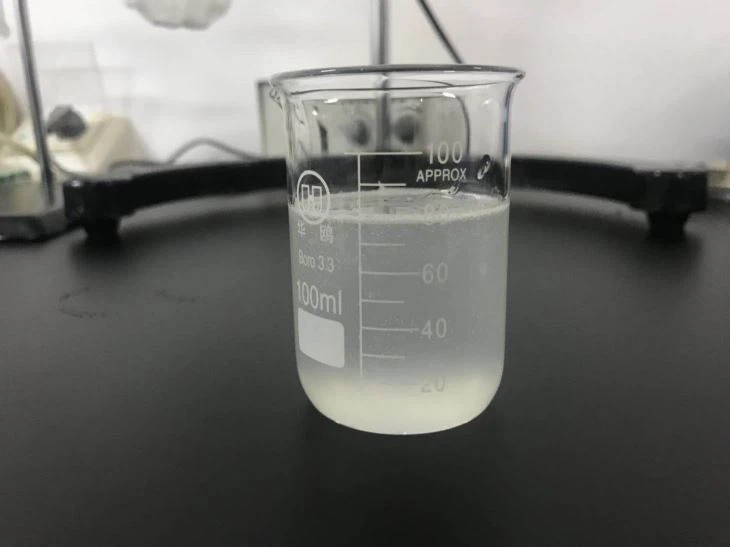
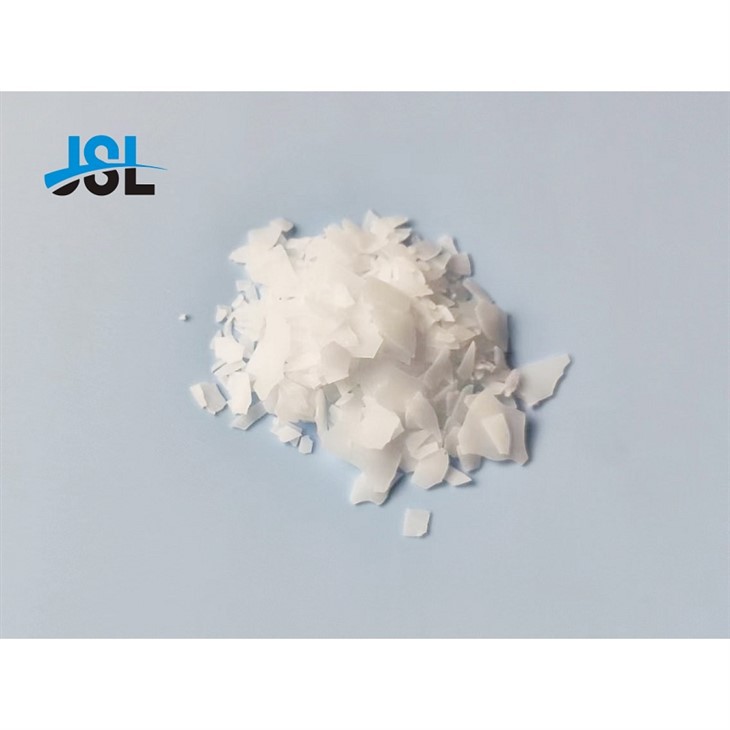
When it comes to determining if a chemical is hazardous, we need to look at a few key factors. One of the main things is its toxicity. Caprylyl/Decyl Glucoside is generally considered to have low toxicity. It's derived from natural sources like fatty alcohols from coconut or palm kernel oil and glucose from corn starch. This natural origin makes it a more environmentally friendly and less harmful option compared to some other synthetic surfactants.
In terms of skin contact, it's known for being mild. Most people can use products containing Caprylyl/Decyl Glucoside without experiencing any adverse reactions. It's often used in baby products, facial cleansers, and body washes because of its gentle nature. However, as with any chemical, there's always a small chance of an allergic reaction in some individuals. But these cases are quite rare.
Another aspect to consider is its environmental impact. Caprylyl/Decyl Glucoside is biodegradable. That means it can break down naturally in the environment over time, reducing its long - term impact on ecosystems. This is a huge plus in today's world where we're all more conscious about the environment.
Now, let's talk about inhalation. In normal use scenarios, like using a shampoo or a cleaning product that contains Caprylyl/Decyl Glucoside, the risk of inhalation is very low. But if you were to be exposed to a large amount of the pure chemical in a mist or vapor form, it could potentially cause some irritation to the respiratory system. However, this is more of a concern in industrial settings where proper safety measures should be in place anyway.
When it comes to handling Caprylyl/Decyl Glucoside in an industrial or manufacturing environment, it's important to follow standard safety procedures. This includes wearing appropriate protective equipment like gloves and goggles. But overall, the risks are relatively low compared to many other chemicals.
Let's take a look at some of the scientific studies that back up these claims. There have been numerous research projects on the safety of alkyl polyglucosides in general. Many of these studies have shown that they have a good safety profile in terms of acute and chronic toxicity, skin and eye irritation, and environmental impact.
For example, a study published in a well - known scientific journal found that Caprylyl/Decyl Glucoside had a very low potential for skin sensitization. This means that it's not likely to cause an allergic reaction on the skin. Another study focused on its environmental fate and concluded that it was readily biodegradable, which is great news for our planet.
In conclusion, while no chemical is completely without risk, Caprylyl/Decyl Glucoside (CAS: 68515 - 73 - 1) is generally not considered to be a highly hazardous chemical. Its low toxicity, mildness to the skin, and biodegradability make it a popular choice in many industries.
If you're in the market for high - quality Caprylyl/Decyl Glucoside, I'd love to have a chat with you. Whether you're a manufacturer of personal care products, a cleaning product company, or any other business that could use this chemical, we can work together to meet your needs. Reach out to me to start a discussion about your procurement requirements.
References:
- Scientific Journal of Surfactant Safety Studies
- Environmental Research on Biodegradable Chemicals