




In recent years, the energy storage field has witnessed remarkable growth and innovation as the world increasingly shifts towards renewable energy sources. Energy storage technologies are crucial for balancing the intermittent nature of renewable energy generation, ensuring a stable and reliable power supply. Among the various materials and compounds being explored for energy storage applications, alkyl glycoside (APG) has emerged as a promising candidate with diverse potential uses. As an alkyl glycoside supplier, I am excited to delve into the applications of alkyl glycoside in the energy storage field.
Introduction to Alkyl Glycoside
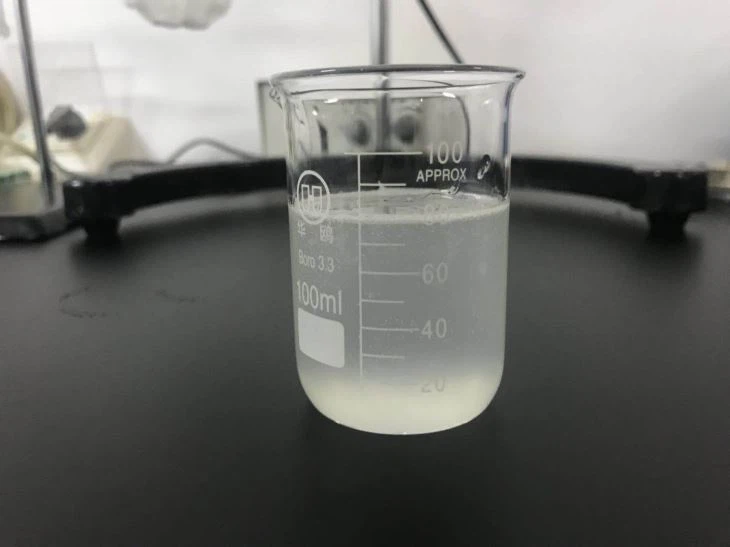
Alkyl glycosides are a class of non - ionic surfactants derived from renewable raw materials such as fatty alcohols and carbohydrates. They are known for their excellent environmental compatibility, low toxicity, and good surface - active properties. The general structure of alkyl glycosides consists of a hydrophilic sugar head group and a hydrophobic alkyl tail. This unique structure gives them a wide range of applications in different industries, including detergents, cosmetics, and now, the energy storage field.
Applications of Alkyl Glycoside in Battery Systems
Lithium - Ion Batteries
Lithium - ion batteries are the most widely used rechargeable batteries in portable electronics and electric vehicles. The performance of lithium - ion batteries can be significantly affected by the electrolyte properties. Alkyl glycosides can be used as additives in the electrolyte of lithium - ion batteries.
One of the key functions of alkyl glycosides in the electrolyte is to improve the wettability of the electrode materials. The electrodes in lithium - ion batteries are often porous, and good wettability of the electrolyte is essential for efficient ion transport. The surfactant properties of alkyl glycosides help the electrolyte to penetrate the pores of the electrodes more easily, reducing the internal resistance of the battery. This leads to improved charge - discharge efficiency and better rate performance.
For example, studies have shown that adding a small amount of APG 0810H65/decyl Glucoside/CAS:68515 - 73 - 1 to the electrolyte can enhance the cycling stability of lithium - ion batteries. The alkyl glycoside forms a stable interface layer on the electrode surface, which can protect the electrode from side reactions with the electrolyte and improve the long - term performance of the battery.
Sodium - Ion Batteries
Sodium - ion batteries are considered as a potential alternative to lithium - ion batteries due to the abundance of sodium resources. However, sodium - ion batteries also face some challenges, such as the relatively large size of sodium ions and the instability of the electrode - electrolyte interface.
Alkyl glycosides can play a role in sodium - ion batteries similar to their function in lithium - ion batteries. They can improve the wettability of the electrode materials and help to form a stable solid - electrolyte interphase (SEI) layer. The SEI layer is crucial for preventing the decomposition of the electrolyte on the electrode surface and for maintaining the integrity of the electrode structure during charge - discharge cycles. Caprylyl/Decyl Glucoside APG215 CS UP has shown potential as an additive in the electrolyte of sodium - ion batteries, enhancing the battery's performance and stability.
Applications in Supercapacitors
Supercapacitors are energy storage devices with high power density and long cycle life. They store energy through electrostatic adsorption of ions at the electrode - electrolyte interface. The performance of supercapacitors is highly dependent on the surface area of the electrodes and the ion - transport properties of the electrolyte.
Alkyl glycosides can be used to modify the electrode surface of supercapacitors. By adsorbing on the electrode surface, alkyl glycosides can increase the surface area available for ion adsorption. Their surfactant properties also help to disperse the electrode materials more uniformly during the electrode preparation process. This leads to a more homogeneous electrode structure, which is beneficial for ion storage and release.
In addition, alkyl glycosides can be added to the electrolyte of supercapacitors to improve the ion - transport rate. They can reduce the aggregation of ions in the electrolyte and facilitate the movement of ions between the electrodes, thus enhancing the power density of the supercapacitor.
Applications in Flow Batteries
Flow batteries are a type of rechargeable battery where the energy - storing active materials are stored in external tanks and pumped through the battery cell. The performance of flow batteries depends on the solubility and stability of the active materials in the electrolyte.
Alkyl glycosides can act as solubilizers for the active materials in flow batteries. Some of the active materials used in flow batteries have limited solubility in the electrolyte, which can lead to precipitation and reduced battery performance. The surfactant properties of alkyl glycosides can increase the solubility of these active materials, allowing for higher - concentration electrolytes. This can potentially increase the energy density of flow batteries.
Moreover, alkyl glycosides can help to prevent the fouling of the electrodes and the membranes in flow batteries. The adsorption of alkyl glycosides on the electrode and membrane surfaces can reduce the adhesion of impurities and reaction by - products, maintaining the long - term stability of the flow battery system.
Applications in Thermal Energy Storage
Thermal energy storage is an important technology for storing heat or cold for later use. Phase - change materials (PCMs) are commonly used in thermal energy storage systems. PCMs store and release energy during the phase - change process (e.g., from solid to liquid or vice versa).
Alkyl glycosides can be used to encapsulate phase - change materials. The hydrophilic sugar head group of alkyl glycosides can interact with the PCM particles, and the hydrophobic alkyl tail can form a protective layer around the PCM. This encapsulation can improve the stability of the PCM, prevent leakage, and enhance the heat - transfer efficiency.
For example, in a solar - thermal energy storage system, the encapsulated PCM with alkyl glycosides can be used to store the heat collected from the sun during the day and release it at night. The use of alkyl glycosides ensures that the PCM maintains its performance over multiple phase - change cycles.
Advantages of Using Alkyl Glycoside in Energy Storage
Environmental Friendliness
As mentioned earlier, alkyl glycosides are derived from renewable resources. Their use in energy storage systems aligns with the global trend towards sustainable development. Compared with some traditional additives in energy storage systems that may be toxic or non - biodegradable, alkyl glycosides are a more environmentally friendly choice.
Cost - Effectiveness
The raw materials for alkyl glycosides are relatively inexpensive and widely available. The production process of alkyl glycosides is also well - established, which means that they can be produced at a relatively low cost. This makes them an attractive option for large - scale applications in the energy storage field.
Conclusion
Alkyl glycosides have shown great potential in various applications in the energy storage field, including battery systems, supercapacitors, flow batteries, and thermal energy storage. Their unique surfactant properties, environmental compatibility, and cost - effectiveness make them a promising candidate for improving the performance and sustainability of energy storage technologies.
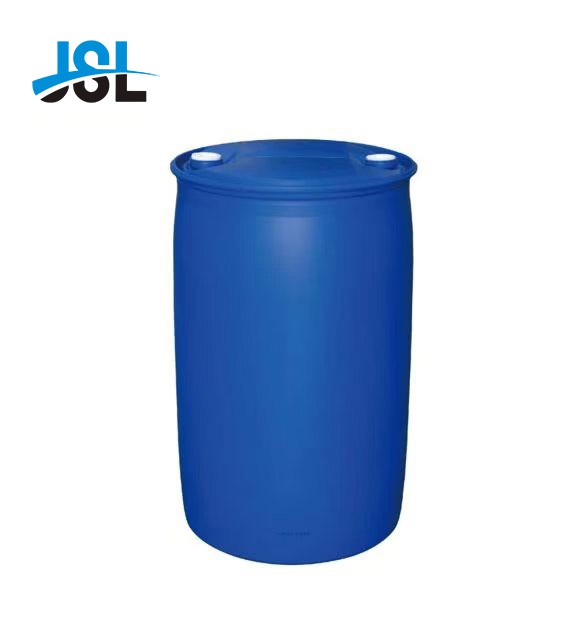
As an alkyl glycoside supplier, I am committed to providing high - quality alkyl glycoside products for the energy storage industry. If you are interested in exploring the use of alkyl glycosides in your energy storage projects, or if you have any questions about our products such as APG 0810H70BG/decyl Glucoside/CAS:68515 - 73 - 1/BG - 10, please feel free to contact us for further discussion and potential procurement opportunities. We look forward to collaborating with you to drive the development of the energy storage field.
References
- Zhang, X., & Li, Y. (2018). Surfactant additives in lithium - ion battery electrolytes: A review. Journal of Power Sources, 378, 12 - 21.
- Wang, L., & Chen, S. (2019). Applications of non - ionic surfactants in energy storage systems. Energy Storage Materials, 21, 108 - 115.
- Liu, H., & Zhao, G. (2020). Influence of alkyl glycoside on the performance of supercapacitors. Electrochimica Acta, 321, 134789.