




As a supplier of coco glucose, I am excited to delve into the fascinating world of its chemical properties. Coco glucose, also known as coco glucoside, is a mild and biodegradable surfactant derived from natural sources, making it a popular choice in various industries, including personal care, household cleaning, and industrial applications. In this blog post, I will explore the key chemical properties of coco glucose and its implications for its use in different products.
Molecular Structure
Coco glucose belongs to the class of alkyl polyglucosides (APGs), which are non-ionic surfactants synthesized from renewable raw materials such as glucose and fatty alcohols derived from coconut oil. The general chemical structure of APGs consists of a hydrophilic glucose head group and a hydrophobic alkyl tail. In the case of coco glucose, the alkyl chain typically ranges from C8 to C14, with an average chain length of C12. This specific chain length distribution gives coco glucose its unique properties, including excellent solubility, low toxicity, and high biodegradability.
Solubility
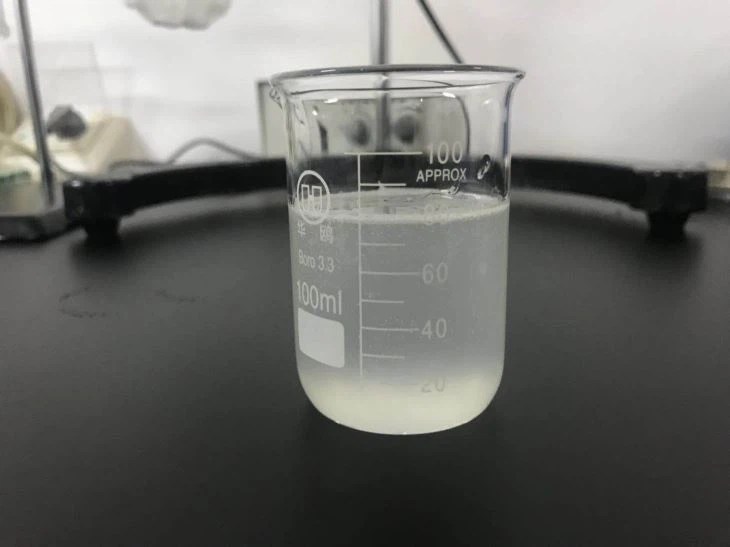
One of the most important chemical properties of coco glucose is its solubility in water and other polar solvents. Due to the presence of the hydrophilic glucose head group, coco glucose readily dissolves in water, forming clear and stable solutions. This solubility characteristic makes it an ideal ingredient for formulating aqueous-based products such as shampoos, body washes, and liquid detergents. Additionally, coco glucose exhibits good solubility in a wide range of organic solvents, allowing it to be used in non-aqueous formulations as well.
Surface Activity
Coco glucose is a highly effective surfactant, which means it has the ability to reduce the surface tension of liquids and enhance their wetting, emulsifying, and foaming properties. When added to water, coco glucose molecules adsorb at the air-water interface, aligning themselves with the hydrophilic head groups facing the water and the hydrophobic tail groups facing the air. This alignment reduces the surface tension of the water, allowing it to spread more easily and penetrate surfaces more effectively. As a result, coco glucose can improve the cleaning performance of detergents, the wetting ability of paints and coatings, and the foaming properties of personal care products.
Biodegradability
One of the key advantages of coco glucose over traditional synthetic surfactants is its high biodegradability. Being derived from natural sources, coco glucose can be easily broken down by microorganisms in the environment, reducing its impact on the ecosystem. According to environmental studies, coco glucose has a high degree of biodegradability, with over 90% of the compound being degraded within a short period of time. This makes it a sustainable and environmentally friendly alternative to conventional surfactants, which can persist in the environment for long periods and contribute to pollution.
Compatibility
Coco glucose is highly compatible with a wide range of other ingredients, including other surfactants, polymers, salts, and acids. This compatibility allows it to be used in a variety of formulations without causing any adverse effects on the stability or performance of the product. For example, coco glucose can be combined with other non-ionic, anionic, or cationic surfactants to enhance the cleaning power and foam quality of detergents. It can also be used in combination with polymers to improve the viscosity and stability of emulsions and suspensions.
Applications
The unique chemical properties of coco glucose make it a versatile ingredient with a wide range of applications in various industries. In the personal care industry, coco glucose is commonly used in shampoos, conditioners, body washes, facial cleansers, and baby care products. Its mildness and low toxicity make it suitable for use on sensitive skin, while its excellent foaming and cleansing properties provide a luxurious and effective cleaning experience. In the household cleaning industry, coco glucose is used in laundry detergents, dishwashing liquids, all-purpose cleaners, and floor cleaners. Its ability to reduce surface tension and enhance wetting and emulsification makes it an effective cleaning agent for removing dirt, grease, and stains from various surfaces. In the industrial sector, coco glucose is used in applications such as textile processing, leather tanning, and oilfield chemicals. Its biodegradability and compatibility with other chemicals make it a sustainable and cost-effective alternative to traditional surfactants.
Our Product Offerings
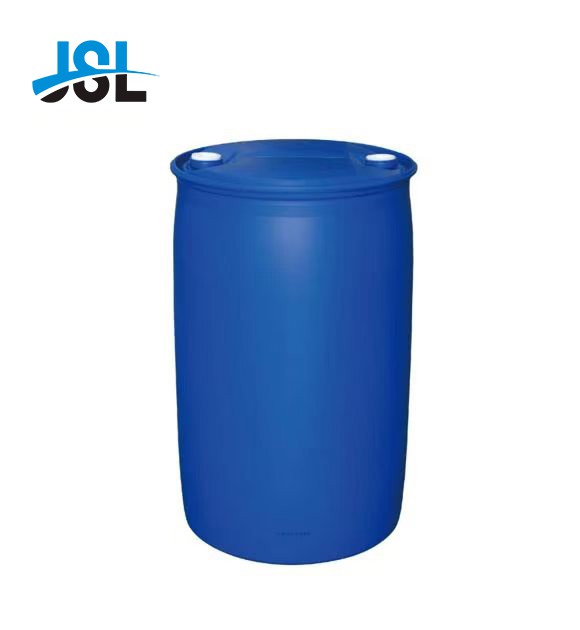
As a leading supplier of coco glucose, we offer a range of high-quality products to meet the diverse needs of our customers. Our product portfolio includes Decyl Glucoside APG 2000UP, APG 0814/coco Glucoside/CAS:141464-42-8, and APG 0814N/425N/coco Glucoside/CAS:141464-42-8. These products are manufactured using state-of-the-art technology and strict quality control measures to ensure their purity, consistency, and performance. Whether you are looking for a mild and gentle surfactant for personal care products or a high-performance cleaning agent for industrial applications, we have the right solution for you.
Contact Us for Procurement
If you are interested in learning more about our coco glucose products or would like to discuss your specific requirements, please feel free to contact us. Our team of experts is dedicated to providing you with the best possible service and support. We can offer you detailed product information, samples for testing, and competitive pricing. We look forward to the opportunity to work with you and help you find the perfect coco glucose solution for your business.
References
- Rosen, M. J., & Kunjappu, J. T. (2012). Surfactants and Interfacial Phenomena. John Wiley & Sons.
- Swisher, R. D. (1987). Surfactant Biodegradation. Marcel Dekker.
- McCutcheon's Emulsifiers & Detergents. (Annual). McCutcheon Division, The Manufacturing Confectioner Publishing Co.