




Alkyl glycosides are a class of non - ionic surfactants that have gained significant popularity in various industries due to their excellent properties such as low toxicity, high biodegradability, and good compatibility with other surfactants. As an alkyl glycoside supplier, I have witnessed firsthand the diverse applications and characteristics of different types of alkyl glycosides. In this blog, I will explore the differences between various types of alkyl glycosides, which will help our customers make more informed decisions when choosing the most suitable products for their specific needs.
1. Chemical Structure and Composition
The basic structure of alkyl glycosides consists of a hydrophilic sugar head group and a hydrophobic alkyl tail. The sugar moiety is usually derived from glucose, and the alkyl chain can vary in length. Different types of alkyl glycosides are mainly distinguished by the length of the alkyl chain and the degree of polymerization of the sugar group.
-
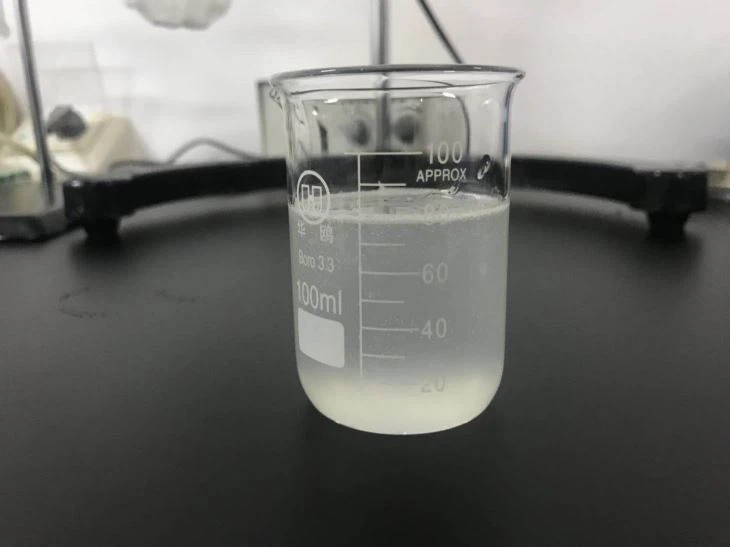
Short - chain alkyl glycosides: Short - chain alkyl glycosides typically have alkyl chains with 8 - 10 carbon atoms. For example, APG 0810/decyl Glucoside/CAS:68515 - 73 - 1 has an alkyl chain length mainly around 8 - 10 carbons. These short - chain alkyl glycosides have relatively high solubility in water and low surface tension. They are very effective in reducing the interfacial tension between water and oil phases, which makes them excellent emulsifiers and wetting agents. Their high solubility also allows them to be easily formulated into clear liquid products.
-
Long - chain alkyl glycosides: In contrast, long - chain alkyl glycosides have alkyl chains with 12 - 18 carbon atoms. Long - chain alkyl glycosides are less soluble in water compared to short - chain ones. They tend to form more stable foams and have better thickening properties. They are often used in products where a more viscous and stable formulation is required, such as in some cream - based cosmetics and high - viscosity detergents.
-
Mixed - chain alkyl glycosides: There are also mixed - chain alkyl glycosides, which contain a mixture of different alkyl chain lengths. Caprylyl/Decyl Glucoside APG 8170 is an example of a mixed - chain alkyl glycoside. These products combine the advantages of both short - and long - chain alkyl glycosides. They can provide a good balance between solubility, foaming ability, and emulsification performance. Mixed - chain alkyl glycosides are very versatile and can be used in a wide range of applications, from personal care products to industrial cleaners.
2. Physical and Chemical Properties
The differences in chemical structure lead to variations in physical and chemical properties among different types of alkyl glycosides.
-
Solubility: As mentioned above, short - chain alkyl glycosides are highly soluble in water, while long - chain alkyl glycosides have limited solubility. This solubility difference affects their application in different formulations. For water - based products, short - chain alkyl glycosides are preferred as they can be easily incorporated into the aqueous phase without causing phase separation. On the other hand, long - chain alkyl glycosides may require the use of co - solvents or emulsifiers to be dissolved in water - based systems.
-
Surface Tension and Interfacial Tension: Short - chain alkyl glycosides have a stronger ability to reduce surface tension and interfacial tension. They can quickly spread on the surface of a liquid, reducing the surface energy and allowing for better wetting of surfaces. This property is crucial in applications such as wetting agents in textile processing and detergents for hard - surface cleaning. Long - chain alkyl glycosides, although they also reduce surface tension, are more effective in stabilizing interfaces and forming emulsions.
-
Foaming Properties: The foaming ability of alkyl glycosides is also related to the alkyl chain length. Short - chain alkyl glycosides generally produce a large amount of fine and unstable foam. This type of foam is suitable for applications where quick - rinsing and high - volume foaming are required, such as in shampoos and body washes. Long - chain alkyl glycosides, on the other hand, generate more stable and dense foams. These foams are often used in products like shaving creams and some high - end detergents where a long - lasting foam is desired.
-
Viscosity and Thickening Ability: Long - chain alkyl glycosides can act as thickeners in formulations. They can increase the viscosity of solutions and help in the formation of stable emulsions and gels. Short - chain alkyl glycosides, due to their high solubility and low interaction between molecules, usually do not have significant thickening effects.
3. Biological and Environmental Properties
Alkyl glycosides are known for their excellent biological and environmental properties, but there are still some differences among different types.
-
Biodegradability: All alkyl glycosides are biodegradable, but the rate of biodegradation can vary. Short - chain alkyl glycosides are generally more rapidly biodegradable than long - chain ones. This is because the shorter alkyl chains are more easily attacked by microorganisms in the environment. From an environmental perspective, short - chain alkyl glycosides are more favorable in applications where rapid degradation is required, such as in household detergents and some agricultural chemicals.
-
Toxicity: Alkyl glycosides are considered to be relatively non - toxic. However, short - chain alkyl glycosides may have a slightly higher irritation potential compared to long - chain ones, especially at high concentrations. This is because short - chain alkyl glycosides can more easily penetrate cell membranes. In personal care products, long - chain alkyl glycosides are often preferred when formulating products for sensitive skin.
4. Applications
The differences in properties of different types of alkyl glycosides make them suitable for different applications.
-
Personal Care Products:
- Shampoos and Body Washes: Short - chain alkyl glycosides like APG 0810/decyl Glucoside/CAS:68515 - 73 - 1 are commonly used in shampoos and body washes. Their high solubility, good foaming ability, and low irritation make them ideal for these products. They can effectively clean the hair and skin without causing excessive dryness or irritation.
- Cream - based Cosmetics: Long - chain and mixed - chain alkyl glycosides are used in cream - based cosmetics such as moisturizers and sunscreens. Their thickening and emulsifying properties help in creating stable and smooth - textured products. For example, APG 0810H70BG/decyl Glucoside/CAS:68515 - 73 - 1/BG - 10 can be used in formulations to improve the stability and consistency of the cream.
-
Detergent Industry:
- Household Detergents: Both short - and mixed - chain alkyl glycosides are used in household detergents. Short - chain alkyl glycosides can provide good wetting and cleaning performance, while mixed - chain alkyl glycosides can balance the solubility, foaming, and emulsification requirements. They are often combined with other surfactants to enhance the overall cleaning efficiency.
- Industrial Cleaners: In industrial cleaning applications, long - chain alkyl glycosides are sometimes preferred due to their better oil - removing and emulsifying capabilities. They can be used to clean heavy - duty machinery and industrial equipment.
5. Conclusion
In conclusion, different types of alkyl glycosides have distinct differences in chemical structure, physical and chemical properties, biological and environmental properties, and applications. As an alkyl glycoside supplier, we understand the importance of these differences and are committed to providing our customers with the most suitable products for their specific needs. Whether you are in the personal care industry, detergent industry, or other fields, choosing the right type of alkyl glycoside can significantly improve the performance and quality of your products.
If you are interested in learning more about our alkyl glycoside products or have specific requirements for your application, please feel free to contact us for a detailed consultation and procurement negotiation. We are here to assist you in finding the best solutions for your business.
References
- Rosen, M. J. (2004). Surfactants and Interfacial Phenomena. John Wiley & Sons.
- Holmberg, K., Jönsson, B., Kronberg, B., & Lindman, B. (2002). Surfactants and Polymers in Aqueous Solution. John Wiley & Sons.
- Van Os, N. M., Haak, J. R., & Rupert, L. A. M. (1993). Physicochemical Properties of Selected Anionic, Cationic, and Nonionic Surfactants. CRC Press.