


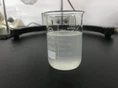

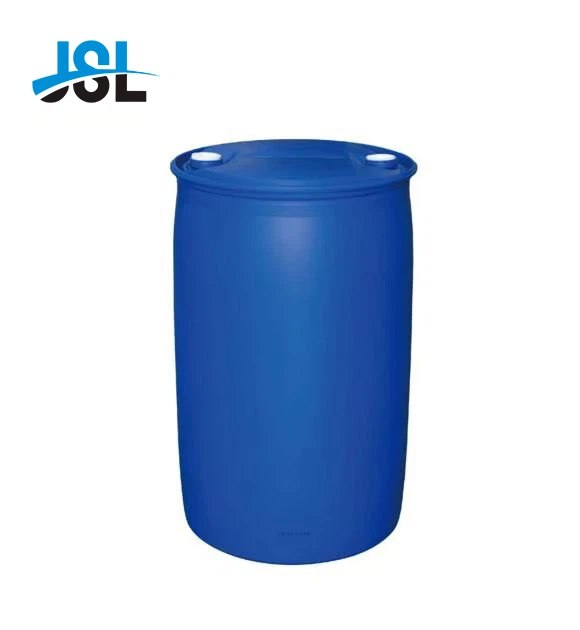
Hey there! As a supplier of APG0814, I often get asked a bunch of questions about this product. One question that pops up quite a bit is, "Can APG0814 be used in high - temperature environments?" Well, let's dig into this topic and find out.
First off, let's talk a bit about what APG0814 is. APG0814, also known as APG 0814/coco Glucoside/CAS:141464-42-8, is an alkyl polyglucoside. It's a type of non - ionic surfactant that's derived from renewable raw materials like fatty alcohols and glucose. This makes it an environmentally friendly option compared to some other surfactants out there. It has a wide range of applications, from personal care products like shampoos and body washes to household cleaning products.
Now, when it comes to high - temperature environments, several factors come into play when determining whether APG0814 can be used.
Chemical Stability
One of the most important things to consider is the chemical stability of APG0814 at high temperatures. In general, APG0814 has relatively good chemical stability. It doesn't break down easily under normal high - temperature conditions. However, like any chemical, there's a limit.
At extremely high temperatures, say above 100°C for an extended period, the glycosidic bonds in APG0814 can start to hydrolyze. Hydrolysis is a chemical reaction where water reacts with a compound, breaking it down into smaller parts. When the glycosidic bonds in APG0814 hydrolyze, it can lead to a decrease in its surfactant properties. This means it might not be as effective at reducing surface tension, emulsifying, or foaming, which are some of the key functions of a surfactant.
But in most practical applications, the temperatures don't reach these extreme levels. For example, in household cleaning products that are used in hot water, the water temperature is usually around 40 - 60°C. At these temperatures, APG0814 remains stable and can perform its intended functions just fine.
Physical Properties
Another aspect to consider is the physical properties of APG0814 at high temperatures. As the temperature rises, the viscosity of APG0814 solutions decreases. This can be both an advantage and a disadvantage.
On the plus side, a lower viscosity means that the solution can flow more easily. This can be beneficial in applications where good flowability is required, such as in industrial cleaning processes where the cleaning solution needs to be pumped through pipes or sprayed onto surfaces.
On the downside, a significant decrease in viscosity can also lead to issues. For example, in some personal care products like creams and lotions, the viscosity is carefully formulated to give the product the right consistency. If the viscosity drops too much at high temperatures, the product might become too runny and not have the desired texture.
Compatibility with Other Ingredients
In most formulations, APG0814 is used in combination with other ingredients. The compatibility of APG0814 with these other ingredients at high temperatures is also crucial.
Some ingredients might react with APG0814 at high temperatures, forming new compounds that could affect the performance of the overall product. For example, if there are certain acids or bases in the formulation, they could potentially accelerate the hydrolysis of APG0814 at high temperatures.
However, if the formulation is well - designed and the ingredients are carefully selected, APG0814 can work well in combination with other substances even at moderately high temperatures.
Applications in High - Temperature Environments
Let's look at some specific applications where the use of APG0814 in high - temperature environments is relevant.
Industrial Cleaning
In industrial cleaning, high - temperature cleaning processes are often used to remove stubborn dirt, grease, and oil. APG0814 can be a great choice in these situations. As mentioned earlier, its relatively good chemical stability at moderate high temperatures allows it to effectively clean surfaces. It can emulsify the oils and greases, making them easier to rinse away. And its low - foaming properties (compared to some other surfactants) can be an advantage in industrial cleaning, as excessive foam can cause problems in equipment.
Food Processing
In the food processing industry, cleaning and sanitizing equipment is of utmost importance. High - temperature cleaning processes are commonly used to ensure the safety and hygiene of the equipment. APG0814 is a food - grade surfactant, which means it can be used in food - contact applications. At the temperatures typically used in food processing cleaning (around 60 - 80°C), APG0814 can clean the equipment effectively without leaving harmful residues.
Alternatives and Considerations
If you're in a situation where the temperatures are consistently very high, and you're worried about the stability of APG0814, there are some alternatives you can consider. For example, Decyl Glucoside APG 2000UP and Decyl Glucoside APG 2000UP are related products that might have slightly different properties and could be more suitable for higher - temperature applications. These products might have better heat resistance or different chemical structures that make them more stable at elevated temperatures.
However, it's important to note that every product has its own pros and cons, and you need to carefully evaluate which one is the best fit for your specific application.
Conclusion
So, can APG0814 be used in high - temperature environments? The answer is yes, but with some limitations. In most practical applications where the temperatures are moderately high (up to around 60 - 80°C), APG0814 can perform well. It has good chemical stability, and its physical properties can even be an advantage in some cases.
But if you're dealing with extremely high temperatures or specific formulations where compatibility is a concern, you need to do some further testing and consider alternatives.
If you're interested in using APG0814 for your products, whether in high - temperature applications or not, I'd love to talk to you. I can provide you with samples, technical data, and help you find the best solution for your needs. Just reach out and let's start a conversation about how APG0814 can work for you.
References
- Surfactant Science and Technology, Third Edition by Warren R. Arshady
- Handbook of Detergents, Part F: Production by M. Sittig