




Hey there! As a coco glycoside supplier, I've been getting a lot of questions about the different grades of coco glycoside. So, I thought I'd write this blog to break it down for you.
First off, let's talk about what coco glycoside is. Coco glycoside is a type of non - ionic surfactant. It's derived from coconut oil and glucose, which makes it a natural and eco - friendly option. It's widely used in the cosmetic, personal care, and household cleaning industries because it's gentle on the skin and has good foaming properties.
Now, onto the different grades. The grades of coco glycoside mainly vary based on their alkyl chain length and purity levels.
1. APG 0814/coco Glucoside/CAS:141464 - 42 - 8
This grade of coco glycoside is super popular. The "0814" in the name indicates the range of alkyl chain lengths. It typically has a mixture of C8 - C14 alkyl chains. The shorter alkyl chains (C8 - C10) give it good solubility and low viscosity, which means it can dissolve easily in water - based formulations. This makes it great for products like body washes, shampoos, and liquid hand soaps.
The longer alkyl chains (C12 - C14) contribute to its excellent foaming and cleansing properties. When you use a body wash with APG 0814, you'll notice a rich, creamy lather that effectively removes dirt and oil from your skin without stripping it of its natural moisture.
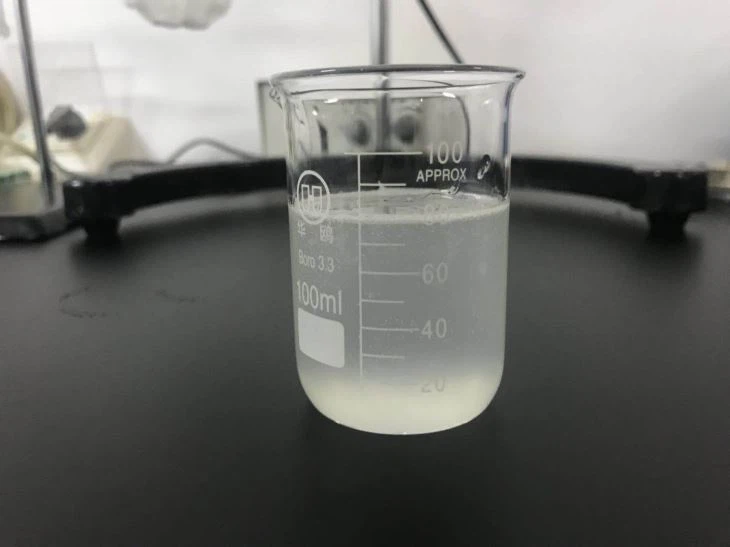
If you're interested in this grade, you can check out more details APG 0814/coco Glucoside/CAS:141464 - 42 - 8.
2. Decyl Glucoside APG 2000UP
Decyl glucoside has a more specific alkyl chain length, mainly C10. It's known for its high purity and mildness. This grade is often used in products for sensitive skin. For example, baby shampoos and facial cleansers formulated for people with sensitive skin benefit from its gentle nature.
Decyl Glucoside APG 2000UP has a very low irritation potential. It doesn't cause redness or itching, even on the most delicate skin. It also has good biodegradability, which is a big plus for environmentally - conscious consumers. If you're looking to make products that are kind to the skin and the planet, this grade is a top choice. You can find more info about it Decyl Glucoside APG 2000UP.
3. APG 0814N/425N/coco Glucoside/CAS:141464 - 42 - 8
This is a natural version of the APG 0814 grade. The "N" in the name usually stands for "natural". It's made from more natural and sustainable raw materials, and it often has a higher standard of purity.
This grade is suitable for natural and organic product lines. In the cosmetic industry, more and more consumers are looking for products that are free from synthetic chemicals and are made with natural ingredients. APG 0814N/425N fits the bill perfectly. It can be used in natural shampoos, facial masks, and body lotions. The natural origin of this grade also makes it a great option for products targeting the health - conscious market. You can learn more about it APG 0814N/425N/coco Glucoside/CAS:141464 - 42 - 8.
How to Choose the Right Grade
When choosing the right grade of coco glycoside for your product, you need to consider a few factors.
Product Type
If you're making a product for sensitive skin, like a baby shampoo or a facial cleanser for people with allergies, Decyl Glucoside APG 2000UP is your best bet. Its mildness will ensure that it doesn't cause any irritation.
For general - purpose body washes, shampoos, and household cleaning products, APG 0814 is a great choice. It offers a good balance of solubility, foaming, and cleansing properties.
If you're aiming for a natural or organic product line, go for APG 0814N/425N. It meets the requirements for natural product certifications and will appeal to consumers who prefer natural ingredients.
Cost
The cost of different grades can vary. Generally, the more natural and high - purity grades like APG 0814N/425N and Decyl Glucoside APG 2000UP may be a bit more expensive. You need to balance the cost with the quality and the target market of your product. If you're targeting a high - end, natural product market, the higher cost may be justified. But if you're making a budget - friendly product for the mass market, APG 0814 might be a more cost - effective option.
Regulatory Requirements
Some regions have specific regulations regarding the use of surfactants in products. Make sure the grade of coco glycoside you choose complies with all the relevant regulations in your target market. For example, in the European Union, there are strict rules about the use of chemicals in cosmetic products, and your coco glycoside must meet those standards.
Conclusion
In conclusion, the different grades of coco glycoside offer a wide range of properties and benefits. Whether you're looking for a gentle surfactant for sensitive skin, a high - foaming one for general cleaning, or a natural option for organic products, there's a grade that's right for you.
As a coco glycoside supplier, I'm here to help you choose the best grade for your specific needs. If you have any questions or want to start a procurement discussion, don't hesitate to reach out. We can work together to find the perfect coco glycoside solution for your products.
References
- "Surfactants in Cosmetics" by Marie - Pierre Furrer
- "Handbook of Detergents" by M. S. Showell