





As a dedicated supplier of coco glucoside, I understand the importance of quality standards in the chemical industry. Coco glucoside, a mild and biodegradable surfactant, has gained significant popularity in various applications, including personal care products, household cleaners, and industrial formulations. In this blog post, I will delve into the key quality standards for coco glucoside, providing insights into what makes a high - quality product and why it matters.
Chemical Composition and Purity
The first and foremost quality standard for coco glucoside is its chemical composition. Coco glucoside is an alkyl polyglucoside (APG) derived from coconut oil and glucose. A high - quality coco glucoside should have a well - defined and consistent composition.
The degree of polymerization (DP) is a crucial factor. Typically, coco glucoside has a DP in the range of 1.2 - 1.6. A narrow DP range ensures consistent performance in different applications. For example, in personal care products, a consistent DP helps in achieving the right balance of foaming, cleansing, and conditioning properties.
Purity is another vital aspect. Impurities can affect the performance and safety of coco glucoside. A pure coco glucoside should have a low content of residual raw materials, such as fatty alcohols and glucose. High - quality coco glucoside should have a purity of at least 95%. This high level of purity reduces the risk of skin irritation in personal care products and ensures the stability of formulations.
Physical Properties
The physical properties of coco glucoside also play a significant role in determining its quality.
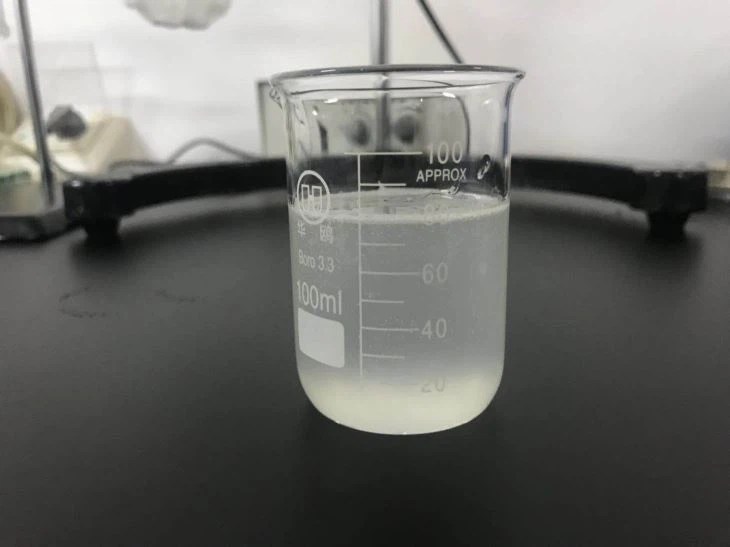
Appearance: High - quality coco glucoside usually appears as a clear to slightly hazy liquid at room temperature. Any signs of cloudiness, sedimentation, or discoloration may indicate the presence of impurities or degradation products.
Viscosity: The viscosity of coco glucoside is an important property, especially in formulations where it needs to be easily mixed with other ingredients. A stable and appropriate viscosity ensures smooth processing and consistent product quality. The viscosity of coco glucoside can vary depending on its concentration and the presence of additives, but it should be within a specified range for a particular grade.
pH Value: The pH value of coco glucoside is typically in the range of 10 - 12. This slightly alkaline pH is important for its stability and performance. Deviations from this range can affect the compatibility of coco glucoside with other ingredients in a formulation and may also impact its effectiveness as a surfactant.
Performance Characteristics
The performance of coco glucoside is a key quality indicator.
Foaming Ability: One of the main advantages of coco glucoside is its excellent foaming ability. High - quality coco glucoside should produce a rich, stable foam. In personal care products like shampoos and body washes, good foaming is not only a desirable sensory attribute but also helps in the effective distribution of the product on the skin or hair.
Cleansing Power: Coco glucoside should have strong cleansing properties while being gentle on the skin and hair. It should be able to remove dirt, oil, and other impurities without causing excessive dryness or irritation. In household cleaners, coco glucoside's cleansing power is essential for effectively removing stains and grime.
Compatibility: Coco glucoside should be compatible with a wide range of other ingredients, including other surfactants, polymers, and additives. Good compatibility ensures that it can be easily incorporated into different formulations without causing phase separation or other stability issues.
Safety and Environmental Standards
In today's market, safety and environmental friendliness are of utmost importance.
Toxicity: High - quality coco glucoside is non - toxic and has low skin and eye irritation potential. It is often used in baby care products and other sensitive - skin formulations. Rigorous testing should be conducted to ensure that coco glucoside meets the relevant safety standards for human use.
Biodegradability: Coco glucoside is known for its excellent biodegradability. A high - quality product should degrade rapidly in the environment, reducing its impact on ecosystems. This is especially important in household and industrial cleaners, where large amounts of the product may be released into the environment.
Regulatory Compliance
Coco glucoside must comply with various national and international regulations.
In the European Union, coco glucoside is regulated under the Cosmetics Regulation (EC) No 1223/2009 for use in cosmetics. It must meet the requirements for safety, labeling, and quality control. In the United States, the Food and Drug Administration (FDA) regulates the use of coco glucoside in food - contact materials and cosmetics. Compliance with these regulations ensures that the product can be legally sold and used in different markets.
Our Commitment to Quality
As a coco glucoside supplier, we are committed to providing products that meet the highest quality standards. We source our raw materials from reliable suppliers and conduct strict quality control checks at every stage of the production process.
Our coco glucoside products, such as APG 0814/coco Glucoside/CAS:141464 - 42 - 8 and Decyl Glucoside APG 2000UP (Decyl Glucoside APG 2000UP), are carefully formulated to ensure consistent quality and performance. We invest in research and development to continuously improve our products and meet the evolving needs of our customers.
Contact Us for Procurement
If you are in the market for high - quality coco glucoside, we invite you to contact us for procurement discussions. We can provide detailed product specifications, samples, and pricing information. Our team of experts is ready to assist you in finding the right coco glucoside product for your specific application. Whether you are a manufacturer of personal care products, household cleaners, or industrial formulations, we have the solutions to meet your needs.
References
- Cosmetics Regulation (EC) No 1223/2009.
- Food and Drug Administration (FDA) regulations on cosmetics and food - contact materials.
- Industry standards and guidelines for alkyl polyglucosides.