


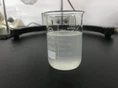

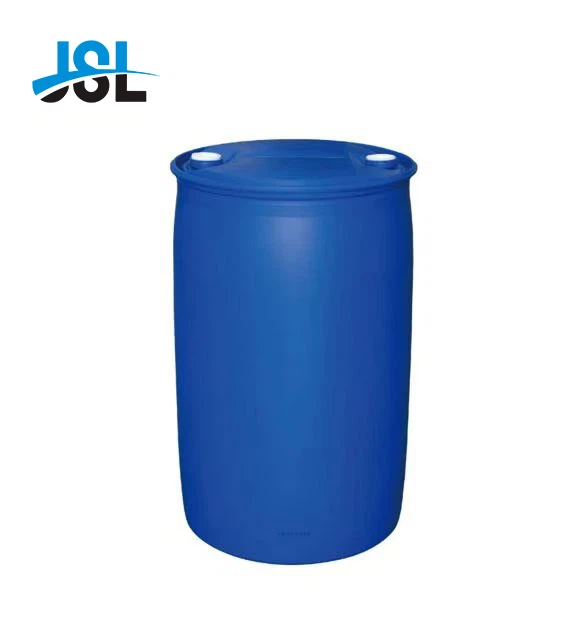
Hey there! As a supplier of APG215, I've been keeping a close eye on the research and development trends of this amazing product. In this blog, I'm gonna share with you what I've found out about where APG215 is headed in the R & D world.
First off, let's talk a bit about what APG215 is. APGs, or Alkyl Polyglucosides, are a type of non - ionic surfactant. They're derived from renewable raw materials like fatty alcohols and glucose, which makes them eco - friendly and biodegradable. APG215, in particular, has a unique set of properties that make it useful in a wide range of applications.
1. Environmental Sustainability
One of the biggest trends in the R & D of APG215 is the push towards even greater environmental sustainability. Consumers are becoming more and more conscious of the environmental impact of the products they use. As a result, there's a growing demand for green and sustainable ingredients in industries such as personal care, household cleaning, and industrial applications.
Researchers are looking into ways to optimize the production process of APG215 to reduce energy consumption and waste. For example, new catalysts are being developed that can speed up the reaction between fatty alcohols and glucose, which not only shortens the production time but also reduces the amount of energy needed.
Another aspect is the sourcing of raw materials. There's a movement towards using more locally sourced and sustainably harvested raw materials. This not only reduces the carbon footprint associated with transportation but also supports local economies. For instance, some companies are working with farmers to grow crops specifically for APG production in a more sustainable way.
2. Performance Enhancement
In addition to environmental concerns, improving the performance of APG215 is also a key area of research. APG215 already has good surfactant properties, such as low surface tension, high foaming ability, and excellent emulsifying properties. However, there's always room for improvement.
Scientists are trying to modify the chemical structure of APG215 to enhance its performance in specific applications. For example, in the personal care industry, there's a need for APG215 - based products that can provide better moisturization while still being gentle on the skin. By adding certain functional groups to the APG215 molecule, researchers hope to create a product that can lock in moisture and improve the skin's barrier function.
In the household cleaning sector, improving the cleaning power of APG215 - based detergents is a major goal. This might involve increasing its ability to remove tough stains, such as grease and oil. Some studies are looking at combining APG215 with other natural ingredients to create synergistic effects that boost its cleaning performance.
3. New Applications
The R & D of APG215 is also exploring new application areas. Traditionally, APGs have been used in personal care products like shampoos, body washes, and facial cleansers, as well as in household cleaning products. But now, there are exciting new possibilities emerging.
In the agricultural industry, APG215 is being investigated as a potential adjuvant for pesticides. It can improve the spreading and wetting properties of pesticide sprays, which means that the pesticides can cover a larger area more effectively. This could lead to more efficient pest control with less pesticide use, which is beneficial for both the environment and farmers.
In the food industry, APG215 is being considered for use as an emulsifier and stabilizer. Its natural and non - toxic nature makes it a promising candidate for food applications. For example, it could be used in salad dressings to prevent oil and water from separating, or in ice cream to improve its texture and stability.
4. Compatibility with Other Ingredients
As APG215 is used in more complex formulations, there's a growing need to understand its compatibility with other ingredients. In personal care products, for example, APG215 might be combined with other surfactants, polymers, and active ingredients. Researchers are studying how APG215 interacts with these other components to ensure that the final product is stable and performs as expected.
In some cases, incompatible ingredients can lead to issues such as phase separation, loss of foaming ability, or reduced efficacy of active ingredients. By understanding the compatibility of APG215 with different ingredients, formulators can create more effective and stable products. For example, they can adjust the pH and temperature conditions during formulation to optimize the interaction between APG215 and other components.
5. Product Customization
The trend towards product customization is also influencing the R & D of APG215. Different industries and customers have different requirements for APG215. Some might need a product with a higher foaming ability, while others might prioritize its thickening properties.
To meet these diverse needs, researchers are developing methods to customize the properties of APG215. This could involve adjusting the degree of polymerization, the chain length of the alkyl group, or the purity of the product. For example, for a customer in the high - end personal care market, a more refined and pure APG215 with specific performance characteristics might be developed.
Related Products
If you're interested in other APG products, here are some links to related products:
- APG 0810H65/decyl Glucoside/CAS:68515 - 73 - 1
- APG 0810H60/220/decyl Glucoside/CAS:68515 - 73 - 1
- APG 0810H70/decyl Glucoside/CAS:68515 - 73 - 1
Conclusion
The research and development of APG215 are headed in some really exciting directions. From greater environmental sustainability to performance enhancement, new applications, compatibility studies, and product customization, there's a lot going on in this field.
As a supplier of APG215, I'm excited to be part of this trend. We're committed to working with researchers and customers to bring the best - in - class APG215 products to the market. If you're interested in learning more about APG215 or have specific requirements for your application, I'd love to have a chat with you. Whether you're in the personal care, household cleaning, or industrial sector, we can work together to find the right APG215 solution for you. Don't hesitate to reach out for more information and let's start a discussion about your procurement needs.
References
- "Surfactants in Consumer Products: Theory, Technology, and Application" by K. Kosswig and M. Stache
- Journal articles on Alkyl Polyglucosides from the Journal of Surfactants and Detergents
- Industry reports on sustainable surfactants from market research firms