






Coco glucoside is a widely used surfactant in the personal care, household cleaning, and industrial sectors. As a leading coco glucoside supplier, I am often asked about its sensory properties. In this blog post, I will delve into the various sensory aspects of coco glucoside, including its appearance, odor, touch, and how it behaves in different applications.
Appearance
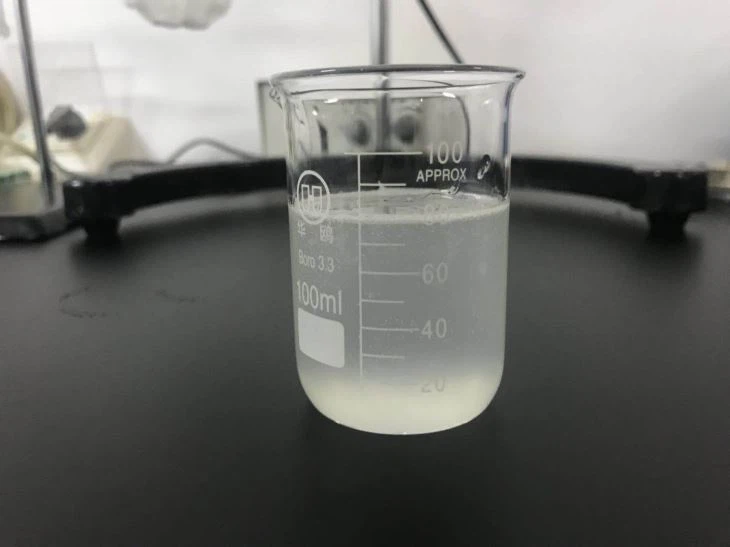
Coco glucoside typically comes in a clear to slightly yellowish liquid form. This transparency is a desirable characteristic, especially in products where visual clarity is important, such as clear shampoos, body washes, and liquid detergents. The light color also indicates its purity and the absence of significant impurities.
The liquid has a relatively low viscosity, which makes it easy to handle during the manufacturing process. It can be easily poured, pumped, and mixed with other ingredients without the need for excessive energy input. This property is particularly beneficial in large - scale production, where efficiency is crucial.
Odor
One of the most appealing sensory properties of coco glucoside is its mild and pleasant odor. Unlike some synthetic surfactants that may have a strong, chemical - like smell, coco glucoside has a very faint, almost neutral scent. This is a significant advantage in product formulation, as it allows formulators to add their own desired fragrances without having to overpower a strong base odor.
In personal care products, such as shampoos and body lotions, the mild odor of coco glucoside ensures that the final product's scent is dominated by the added perfume or essential oils. This is important for consumer acceptance, as the scent is often one of the first things consumers notice when using a product.
Touch
When it comes to the tactile properties, coco glucoside imparts a smooth and silky feel to the products in which it is used. In skin care products, it helps to create a luxurious texture that is pleasing to the touch. When applied to the skin, it spreads easily and does not leave a sticky or greasy residue.
In hair care products, coco glucoside provides a softening effect. It helps to detangle hair and gives it a shiny and smooth appearance. The smooth feel also contributes to the overall sensory experience of using the product, making it more enjoyable for consumers.
Foaming and Cleaning Ability
Coco glucoside is well - known for its excellent foaming properties. It produces a rich, creamy foam that is stable over time. The foam is fine - textured and has a pleasant tactile quality. This foaming ability is highly valued in products such as shampoos, body washes, and dishwashing liquids.
The foam not only enhances the sensory experience for the user but also plays a functional role. It helps to distribute the cleaning agents evenly across the surface being cleaned. In the case of personal care products, the foam helps to lift dirt and oil from the skin and hair, making the cleaning process more effective.
In household cleaning products, the foaming action of coco glucoside makes it easier to cover large surfaces and penetrate into crevices. It also gives the impression of a more thorough cleaning, which is important for consumer satisfaction.
Compatibility with Other Ingredients
Another important aspect related to sensory properties is coco glucoside's compatibility with other ingredients. It can be easily combined with a wide range of other surfactants, thickeners, preservatives, and active ingredients. This compatibility allows formulators to create products with a variety of textures and sensory profiles.
For example, it can be combined with cationic polymers in hair care products to enhance conditioning effects and improve the feel of the hair. In skin care products, it can be used in combination with emollients and humectants to create a balanced formulation that provides both cleansing and moisturizing properties.
Applications and Sensory Impact
Personal Care Products
In shampoos, coco glucoside's mildness makes it suitable for all hair types, including sensitive scalps. The rich foam and smooth feel help to create a luxurious washing experience. Consumers appreciate the softness and shine it imparts to their hair.
In body washes, coco glucoside provides a gentle and refreshing cleansing experience. The creamy foam and non - greasy feel leave the skin feeling clean and hydrated. It is often used in natural and organic personal care products due to its plant - derived origin and mild sensory properties.
Household Cleaning Products
In dishwashing liquids, coco glucoside's foaming ability and cleaning power make it an effective ingredient. The mild odor ensures that the dishes do not retain any unpleasant chemical smells. In laundry detergents, it helps to clean clothes gently while also providing a softening effect, which is an added sensory benefit.
Comparison with Other Surfactants
Compared to traditional anionic surfactants, such as sodium lauryl sulfate (SLS), coco glucoside has several sensory advantages. SLS is known for its strong foaming ability but can also be harsh on the skin and hair, causing dryness and irritation. In contrast, coco glucoside is much milder, with a more pleasant odor and a softer feel.
When compared to some non - ionic surfactants, coco glucoside has better foaming properties, which can enhance the sensory experience in cleaning and personal care applications.
Conclusion
In conclusion, coco glucoside has a range of desirable sensory properties that make it a popular choice in various industries. Its clear appearance, mild odor, smooth feel, excellent foaming ability, and compatibility with other ingredients contribute to the overall quality and consumer acceptance of the products in which it is used.
As a coco glucoside supplier, we are committed to providing high - quality coco glucoside that meets the strictest sensory and performance standards. We offer a variety of coco glucoside products, such as Decyl Glucoside APG 2000UP, APG 0814/coco Glucoside/CAS:141464-42-8, and APG 0814N/425N/coco Glucoside/CAS:141464-42-8. If you are interested in learning more about our coco glucoside products or have specific requirements for your formulations, we invite you to contact us for a detailed discussion and potential procurement.
References
- "Surfactants in Cosmetics" by Ronald C. Rosen.
- "Handbook of Detergents" edited by M. S. Showell.
- Research papers on the properties and applications of coco glucoside from scientific journals such as the Journal of Surfactants and Detergents.