




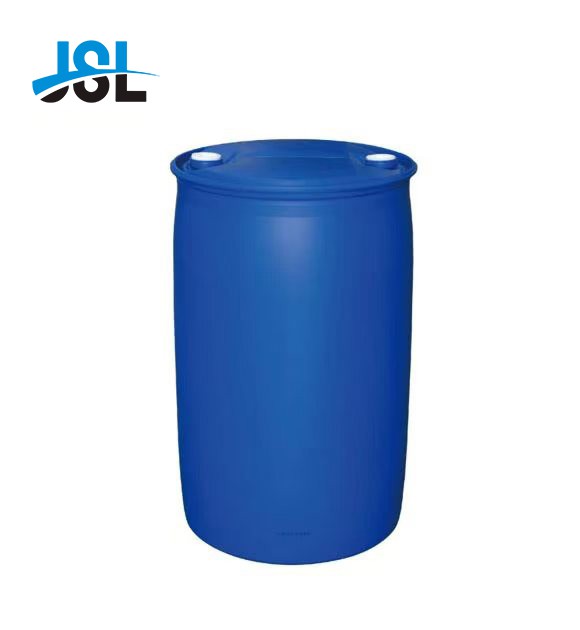
Hey there! As a supplier of APG215, I often get asked about its dispersing ability. So, let's dive right into it and explore what makes APG215 such a great dispersant.
First off, let's understand what dispersing ability means. In simple terms, it's the capacity of a substance to break down and distribute particles evenly in a medium. This is super important in various industries, like paints, coatings, detergents, and more. A good dispersant can prevent particles from clumping together, ensuring a smooth and consistent product.
So, what's so special about APG215 when it comes to dispersing? Well, APG215, or Caprylyl/Decyl Glucoside APG215 CS UP Caprylyl/Decyl Glucoside APG215 CS UP, is an alkyl polyglucoside (APG). APGs are known for their excellent surface - active properties. They have a unique molecular structure that allows them to interact effectively with different types of particles.
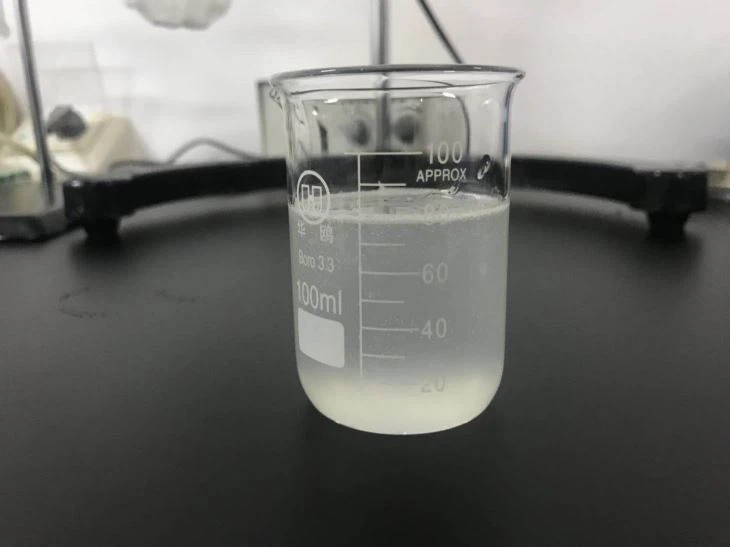
One of the key factors contributing to APG215's dispersing ability is its hydrophilic - lipophilic balance (HLB). The HLB value of APG215 is well - tuned to work in a wide range of systems. It has a hydrophilic part (the sugar group) and a lipophilic part (the alkyl chain). This dual nature enables it to adsorb onto the surface of particles, whether they are hydrophilic or hydrophobic.
For example, in a paint formulation, there are often pigments and fillers. These particles can easily agglomerate, leading to uneven color distribution and poor paint quality. APG215 can be added to the paint mixture. Its hydrophilic part will interact with the polar surfaces of some pigments, while the lipophilic part can interact with non - polar components. This way, it forms a protective layer around the particles, preventing them from coming together and settling at the bottom of the paint can.
In the detergent industry, APG215 also plays a crucial role in dispersing dirt and stains. When you're doing your laundry, the dirt particles on your clothes need to be separated and suspended in the water so that they can be rinsed away. APG215 helps in this process by reducing the surface tension between the dirt and the fabric. It attaches to the dirt particles and makes them more soluble in the water, allowing them to be easily washed off.
Another aspect of APG215's dispersing ability is its stability. It can maintain its performance over a wide range of pH values and temperatures. This is really important because different applications may require different environmental conditions. For instance, in some industrial cleaning processes, the cleaning solutions may be acidic or alkaline. APG215 can still work effectively in these harsh conditions, ensuring consistent dispersing performance.
Let's compare APG215 with some other common dispersants. Traditional dispersants may have some drawbacks. Some of them are not environmentally friendly, and they may release harmful chemicals during use. APG215, on the other hand, is derived from natural raw materials, mainly fatty alcohols and glucose. It is biodegradable and has low toxicity, making it a more sustainable choice.
Moreover, compared to some synthetic dispersants, APG215 has better compatibility with other ingredients. In a complex formulation, it can work well with other surfactants, polymers, and additives. For example, in a personal care product like a shampoo, it can be combined with other conditioning agents and fragrances without causing any compatibility issues.
Now, let's talk about the related products in the APG family. There's APG 0810/decyl Glucoside/CAS:68515 - 73 - 1 APG 0810/decyl Glucoside/CAS:68515 - 73 - 1 and Caprylyl/Decyl Glucoside APG 8170 Caprylyl/Decyl Glucoside APG 8170. These products also have dispersing properties, but APG215 has some unique advantages. APG215 has a more optimized molecular structure for certain applications. It may have a better balance between its hydrophilic and lipophilic parts, which gives it enhanced dispersing performance in specific systems.
In conclusion, APG215 is an excellent dispersant with a wide range of applications. Its unique molecular structure, stability, environmental friendliness, and compatibility with other ingredients make it a top choice for many industries. Whether you're in the paint, detergent, or personal care business, APG215 can help you achieve better product quality by effectively dispersing particles.
If you're interested in learning more about APG215 or want to discuss potential applications for your products, I'd love to hear from you. Just reach out, and we can start a conversation about how APG215 can improve your formulations. Don't hesitate to contact me for more details and to start a procurement discussion.
References
- "Surfactant Science and Technology" by Milton J. Rosen
- Industry reports on alkyl polyglucosides in various applications