



Solubility is a crucial property in understanding the behavior and applications of chemical substances. As a supplier of APG215, I am often asked about the solubility of this product. In this blog, we will delve into what the solubility of APG215 is, exploring its characteristics, influencing factors, and implications for various applications.
Understanding APG215
APG215 belongs to the family of Alkyl Polyglucosides (APGs), which are non - ionic surfactants derived from renewable raw materials such as fatty alcohols and glucose. APGs are known for their excellent environmental compatibility, mildness to the skin, and good detergency. APG215 has unique properties that make it suitable for a wide range of applications, including personal care products, household cleaners, and industrial detergents.
Solubility Characteristics of APG215
Solubility in Water
APG215 exhibits good solubility in water. It can form clear solutions at various concentrations, which is a significant advantage for many applications. In aqueous solutions, APG215 molecules self - assemble into micelles above a certain concentration known as the critical micelle concentration (CMC). The solubility in water is influenced by factors such as temperature, pH, and the presence of other solutes.
As the temperature increases, the solubility of APG215 in water generally improves. Higher temperatures provide more kinetic energy to the molecules, allowing them to overcome intermolecular forces and disperse more easily in the water. At room temperature, APG215 can be readily dissolved in water to form stable solutions, which is convenient for formulators who need to incorporate it into water - based products.
The pH of the solution also affects the solubility of APG215. APG215 is relatively stable and soluble over a wide pH range, typically from pH 4 to pH 10. In acidic or alkaline environments within this range, the solubility remains satisfactory, which means it can be used in various formulations with different pH requirements.
Solubility in Organic Solvents
In addition to water, APG215 also shows some solubility in certain organic solvents. It has a certain degree of solubility in polar organic solvents such as ethanol and propylene glycol. This solubility in organic solvents is useful for applications where a non - aqueous or mixed - solvent system is required. For example, in some cosmetic formulations, ethanol is often used as a solvent, and the solubility of APG215 in ethanol allows it to be incorporated into these products.
However, the solubility of APG215 in non - polar organic solvents is relatively limited. Non - polar solvents like hexane and toluene have weak interactions with the polar groups in APG215 molecules, resulting in poor solubility. This characteristic needs to be considered when formulating products with non - polar solvents.
Factors Influencing the Solubility of APG215
Chemical Structure
The chemical structure of APG215 plays a fundamental role in its solubility. The hydrophilic glucose head group and the hydrophobic alkyl chain in APG215 determine its amphiphilic nature. The balance between the hydrophilic and hydrophobic parts affects how it interacts with different solvents. A longer alkyl chain generally leads to lower solubility in water but may increase solubility in non - polar organic solvents to some extent.
Impurities
The presence of impurities in APG215 can also influence its solubility. Impurities may disrupt the regular molecular arrangement of APG215 and affect its interaction with solvents. High - purity APG215 usually has more consistent and better solubility properties compared to products with a higher level of impurities. As a supplier, we ensure that our APG215 products are of high purity to guarantee optimal solubility and performance.
Concentration of Other Solutes
When APG215 is used in a multi - component system, the concentration of other solutes can have an impact on its solubility. For example, the presence of salts can affect the solubility of APG215 in water. Some salts may cause salting - out effects, reducing the solubility of APG215 by competing for water molecules. On the other hand, certain polymers or surfactants may interact with APG215, either enhancing or reducing its solubility depending on the nature of the interaction.
Implications of Solubility for Applications
Personal Care Products
In personal care products such as shampoos, body washes, and facial cleansers, the solubility of APG215 in water is essential. It allows for easy formulation into water - based products, ensuring uniform distribution of the surfactant throughout the product. The good solubility also contributes to the stability of the product, preventing phase separation and ensuring a consistent quality. Moreover, the mildness and solubility of APG215 make it suitable for sensitive skin formulations.
Household Cleaners
For household cleaners, the solubility of APG215 in water and its ability to form micelles are crucial for its cleaning performance. In dishwashing liquids, laundry detergents, and all - purpose cleaners, APG215 can dissolve dirt and grease effectively by encapsulating them in micelles. The solubility in water also makes it easy to rinse off, leaving no residue on the cleaned surfaces.
Industrial Detergents
In industrial applications, the solubility of APG215 in both water and some organic solvents provides flexibility in formulating detergents for different cleaning tasks. For example, in metal cleaning and degreasing processes, the solubility in organic solvents may be utilized to remove stubborn oil and grease. The wide pH stability and solubility of APG215 also make it suitable for use in various industrial environments.
Related Products and Their Solubility
As a supplier, we also offer other APG products, such as Caprylyl/Decyl Glucoside APG 8170, APG 0810H65/decyl Glucoside/CAS:68515 - 73 - 1, and APG 0810H70BG/decyl Glucoside/CAS:68515 - 73 - 1/BG - 10. These products have similar solubility characteristics to APG215 but may vary slightly depending on their specific chemical structures.
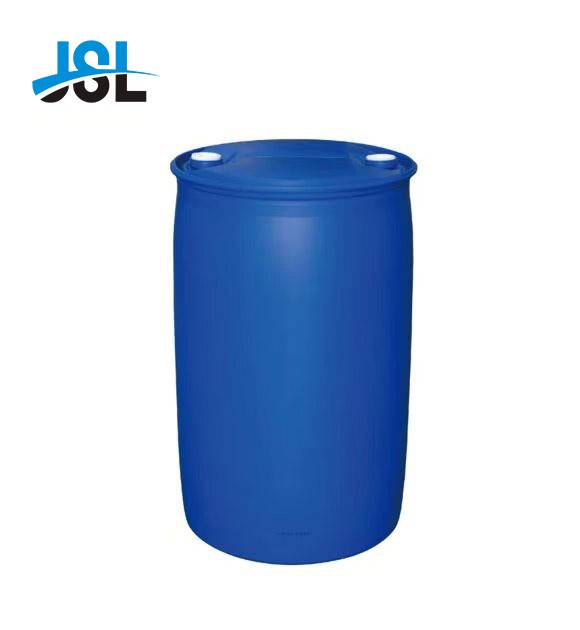
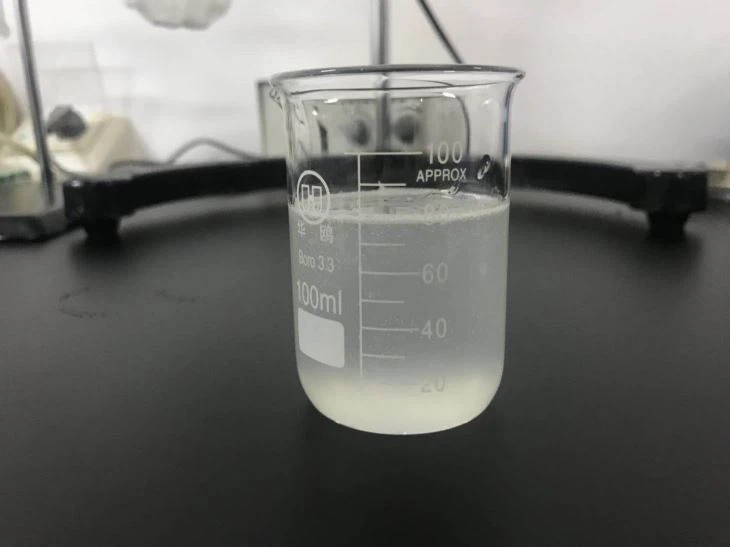
Caprylyl/Decyl Glucoside APG 8170 also has good solubility in water and is widely used in personal care and household cleaning products. APG 0810H65 and APG 0810H70BG are also soluble in water and have applications in various industries due to their mildness and good detergency.
Conclusion
The solubility of APG215 is a complex but important property that is influenced by multiple factors. Its good solubility in water and certain organic solvents makes it a versatile ingredient for a wide range of applications in personal care, household, and industrial sectors. Understanding the solubility characteristics of APG215 and related products can help formulators make better use of these surfactants in their products.
If you are interested in purchasing APG215 or learning more about its applications, please feel free to contact us for further discussion and cooperation. We are committed to providing high - quality products and professional technical support to meet your specific needs.
References
- Holmberg, K., Jönsson, B., Kronberg, B., & Lindman, B. (2002). Surfactants and Polymers in Aqueous Solution. Wiley.
- Rosen, M. J., & Kunjappu, J. T. (2012). Surfactants and Interfacial Phenomena. Wiley.