


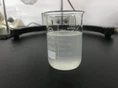

Hey there! I'm a supplier of APG215, and today I want to chat about one of its important properties: conductivity.
First off, let's understand what conductivity means in the context of chemicals. Conductivity is a measure of a material's ability to conduct an electric current. In the case of APG215, which is Caprylyl/Decyl Glucoside APG215 CS UP, it's an alkyl polyglucoside. These types of compounds are known for their excellent surfactant properties and are widely used in various industries, such as personal care, household cleaning, and industrial applications.
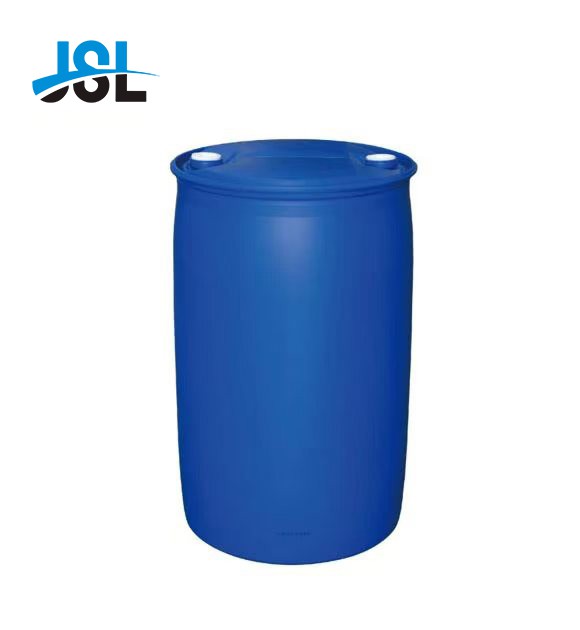
Now, the conductivity of APG215 can vary depending on several factors. One of the main factors is the concentration of the solution. When APG215 is dissolved in water to form a solution, the conductivity will increase as the concentration of APG215 goes up. This is because there are more charged particles (ions) in the solution, which can carry the electric current.
Another factor that affects conductivity is temperature. Generally, as the temperature of the APG215 solution rises, the conductivity also increases. This is due to the fact that higher temperatures give the ions more energy to move around, making it easier for them to conduct electricity.
Let's take a look at some practical implications of APG215's conductivity. In personal care products, such as shampoos and body washes, conductivity can play a role in the performance of the product. A certain level of conductivity can affect the foaming ability, viscosity, and stability of the formulation. For example, if the conductivity is too low, the product might not foam well, and if it's too high, it could lead to instability in the emulsion.
In household cleaning products, conductivity can also be important. It can influence how well the cleaner can remove dirt and grease. A cleaner with the right conductivity can better interact with the surfaces being cleaned, enhancing its cleaning power.
Now, compared to other similar surfactants like APG 0810/decyl Glucoside/CAS:68515-73-1 and APG 0810H65/decyl Glucoside/CAS:68515-73-1, APG215 has its own unique conductivity profile. While all these alkyl polyglucosides share some similarities in terms of their surfactant properties, their conductivity can differ based on their chemical structures and purity levels.
APG215 has a relatively balanced conductivity that makes it suitable for a wide range of applications. Its conductivity allows it to be easily formulated into different products without causing major issues with stability or performance.
If you're in the business of formulating personal care products, household cleaners, or other industrial applications, understanding the conductivity of APG215 can help you optimize your formulations. You can adjust the concentration and other factors to achieve the desired conductivity and, in turn, the best performance of your product.
We, as a supplier of APG215, have conducted extensive research on its conductivity and other properties. We can provide you with detailed technical data and guidance on how to use APG215 effectively in your formulations. Whether you're looking for a surfactant with a specific conductivity range or need help with product development, we're here to assist you.
If you're interested in purchasing APG215 or want to discuss further about its conductivity and how it can fit into your products, don't hesitate to reach out. We're always ready to have a chat and see how we can work together to meet your needs.
In conclusion, the conductivity of APG215 is an important property that can have a significant impact on the performance of products in various industries. By understanding and controlling this property, you can create high - quality formulations that meet the demands of your customers. So, if you're looking for a reliable supplier of APG215, give us a chance to show you what we can offer.
References:
- Industry reports on alkyl polyglucosides and their applications
- Technical data sheets on APG215, APG 0810, and APG 0810H65