






As a supplier of alkyl glucoside, I've witnessed firsthand the growing demand for this versatile and eco - friendly surfactant in various industries. One of the most frequently asked questions from our customers is about the stability of alkyl glucoside under different conditions. In this blog, I'll delve into this topic to provide you with a comprehensive understanding.
Chemical Structure and General Properties of Alkyl Glucoside
Alkyl glucosides are non - ionic surfactants synthesized from renewable raw materials such as glucose and fatty alcohols. Their general structure consists of a hydrophilic glucose head and a hydrophobic alkyl tail. This unique structure endows them with excellent surface - active properties, low toxicity, and high biodegradability.
Stability under Different pH Conditions
Acidic Conditions
In acidic environments, alkyl glucosides generally exhibit good stability. When the pH is in the range of 2 - 6, the glycosidic bond in alkyl glucosides is relatively stable. However, at extremely low pH values (below 2), there is a risk of hydrolysis of the glycosidic bond. The hydrolysis reaction will break the bond between the glucose unit and the alkyl chain, leading to a decrease in the concentration of the intact alkyl glucoside and a change in its performance. For example, in some acidic cleaning products, if the pH is well - controlled within the appropriate range, alkyl glucosides can maintain their effectiveness for a long time. Our Caprylyl/Decyl Glucoside APG 8170 has been tested in mild acidic solutions and shows remarkable stability, which makes it suitable for formulating acidic skin - care products and household cleaners.
Alkaline Conditions
Alkyl glucosides also have good stability in alkaline solutions. In the pH range of 7 - 12, they can maintain their chemical structure and performance. At higher pH values (above 12), although the hydrolysis rate of the glycosidic bond is still relatively slow, long - term exposure may cause some degradation. In industrial applications such as textile scouring, where alkaline conditions are often used, alkyl glucosides can play an important role due to their stability. Our APG 0810/decyl Glucoside/CAS:68515 - 73 - 1 has been proven to be stable in alkaline solutions with a pH up to 11, which is beneficial for use in alkaline - based detergents and industrial cleaning agents.
Stability at Different Temperatures
Low Temperatures
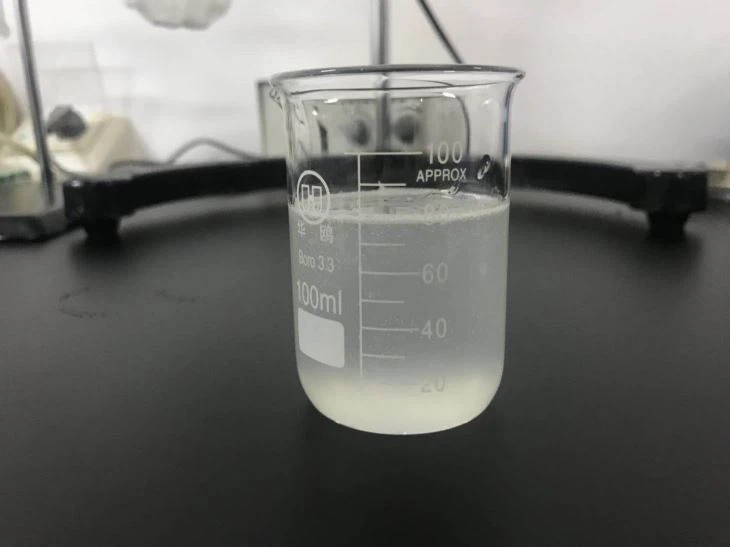
At low temperatures, alkyl glucosides are relatively stable. They usually do not undergo significant chemical reactions or phase changes. However, when the temperature drops below the cloud point, alkyl glucosides may start to separate from the solution, forming a cloudy appearance. This is a physical change rather than a chemical degradation. For example, in cold - storage conditions, our products may show some cloudiness, but once the temperature rises above the cloud point, they will return to a clear and homogeneous state.
High Temperatures
At high temperatures, the stability of alkyl glucosides needs to be carefully considered. When the temperature exceeds 100°C, the risk of thermal degradation increases. The glycosidic bond may break under high - temperature conditions, especially in the presence of oxygen. In some industrial processes that involve high - temperature operations, such as high - temperature dyeing in the textile industry, appropriate measures need to be taken to ensure the stability of alkyl glucosides. For instance, adding antioxidants or using closed - system operations can help reduce the impact of high temperatures on alkyl glucosides.
Stability in the Presence of Other Chemicals
Inorganic Salts
The presence of inorganic salts can affect the stability of alkyl glucosides. In general, low - concentration inorganic salts have little effect on their stability. However, at high salt concentrations, salting - out effects may occur. The salts can reduce the solubility of alkyl glucosides in water, causing them to precipitate out of the solution. This phenomenon is more obvious in solutions with high - valence metal salts. For example, in some brine - based cleaning products, the salt concentration needs to be carefully controlled to avoid the precipitation of alkyl glucosides.

Oxidizing Agents
Alkyl glucosides are relatively sensitive to strong oxidizing agents. Oxidizing agents such as hydrogen peroxide and hypochlorite can oxidize the glucose unit in alkyl glucosides, leading to the destruction of their chemical structure. In applications where oxidizing agents are used, it is necessary to choose appropriate formulations or add stabilizers to protect the alkyl glucosides.
Impact on Applications
The stability of alkyl glucosides under different conditions has a significant impact on their applications. In the personal - care industry, the stability in different pH and temperature ranges allows them to be used in a wide variety of products, from acidic facial cleansers to alkaline shampoos. In the household - cleaning industry, their stability in the presence of salts and different pH values makes them suitable for formulating various cleaning agents. In the industrial field, such as in the oil - field and textile industries, understanding their stability under high - temperature and high - pressure conditions is crucial for their effective use.
Our Product Offerings
We offer a wide range of alkyl glucoside products, including Caprylyl/Decyl Glucoside APG 8170 and APG 0810/decyl Glucoside/CAS:68515 - 73 - 1. Our products have been rigorously tested to ensure their stability under different conditions. We can provide detailed technical data and support to help you choose the most suitable product for your specific application.
Conclusion
The stability of alkyl glucosides under different conditions is a complex but important topic. By understanding their stability in different pH, temperature, and chemical environments, we can better utilize them in various industries. As a reliable alkyl glucoside supplier, we are committed to providing high - quality products and technical support to meet your needs. If you are interested in our products or have any questions about the stability of alkyl glucosides, please feel free to contact us for procurement and further discussions.
References
- Rosen, M. J. Surfactants and Interfacial Phenomena. John Wiley & Sons, 2004.
- Holmberg, K., Jönsson, B., Kronberg, B., & Lindman, B. Surfactants and Polymers in Aqueous Solution. John Wiley & Sons, 2003.