

Jeslyee Chemicals: A One-Stop Alkyl Polyglucoside Supplier
Renowned for its good reputation, our company has served dozens of customers globally and has emerged as a leading firm in the chemicals and ingredients sector, with a focus on the surfactant industry.
Why choose us?
Stable Supply
As a professional chemical company, we possess our own laboratories and factories, ensuring a consistent supply and stable quality. Our product range includes alkyl polyglucosides such as APG 0810, APG 0814, APG 1214, lipid layer enhancers, lauryl glucoside, among others.
One-Stop Service
Our philosophy is to marry high-quality products with competitive pricing, striving to fulfill chemical needs through comprehensive order services and technical support. We offer advice, solutions, product samples, and any necessary documentation, ensuring you have a dependable partner in the surfactant sector.
Rich Market Experience
Our APG products have been exported to numerous countries and regions, including the United States, Canada, Mexico, Malaysia, Vietnam, the United Arab Emirates, Russia, and Uzbekistan. Our sales team is both experienced and knowledgeable, capable of supporting customers in any region.
Professional Team
We have a team of experts who recommend products based on customer needs. Additionally, every order is fulfilled within the specified deadline, and our professional logistics team provides shipment details according to the order. We have also established a dedicated customer service team to follow up on product feedback.

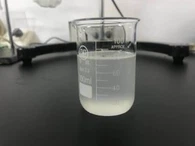
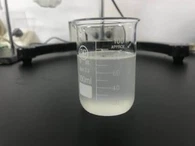
APG 0814/Coco Glucoside/CAS:141464-42-8
APG 0814/coco glucoside/CAS:141464-42-8 Chemical description Aqueous solution of alkyl polyglucosides based on a fatty alcohol C8 - C14

APG 0810H70/Decyl Glucoside/CAS:68515-73-1
APG 0810H70/decyl glucoside/CAS:68515-73-1 Chemical description alkyl (C8-C10) polyglycoside Labeling information INCI name: decyl glucoside CAS-No.: 68515-73-1
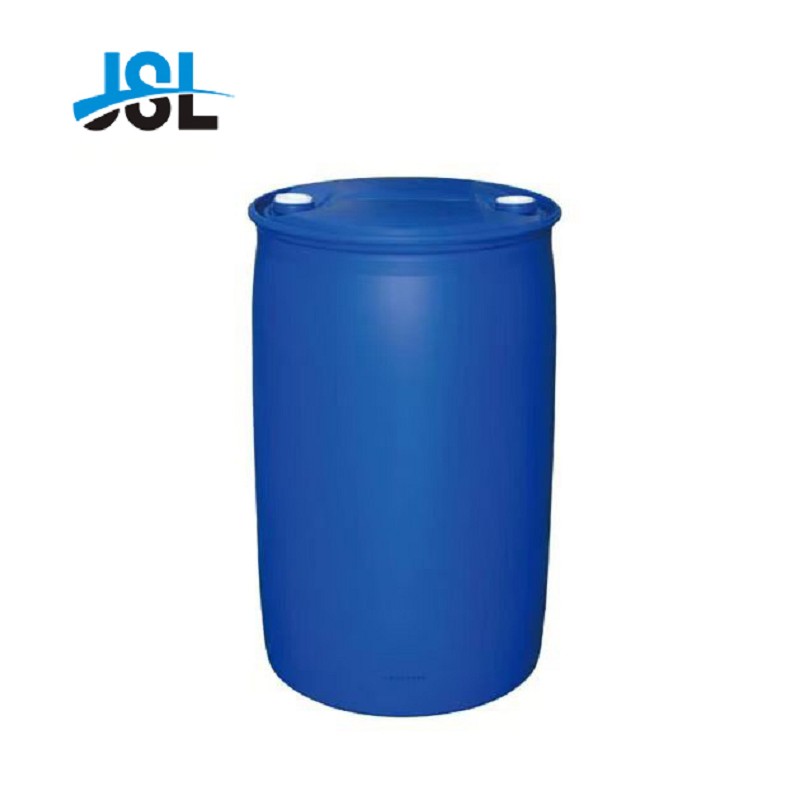
APG 0810H65/Decyl Glucoside/CAS:68515-73-1
APG 0810H65/decyl glucoside/CAS:68515-73-1 Chemical description alkyl polyglucoside C8 - C10 Labeling information INCI name:decyl glucoside CAS-No.:68515-73-1

APG 0810H60/220/Decyl Glucoside/CAS:68515-73-1
APG 0810H60/decyl glucoside/CAS:68515-73-1 Chemical description Aqueous solution of alkyl polyglycosides based on a fatty alcohol C8 - C10

APG 0810H70DK/Decyl Glucoside/CAS:68515-73-1/225DK
APG 0810H70DK/decyl glucoside/CAS:68515-73-1 Chemical description alkyl polyglucoside C8-C10 Labeling information INCI name: decyl glucoside CAS-No.: 68515-73-1

APG 0810/Decyl Glucoside/CAS:68515-73-1
APG 0810/decyl glucoside/CAS:68515-73-1 Chemical description Alkyl(C8-C10) Polyglucoside Labeling information INCI name: decyl glucoside CAS-No.: 68515-73-1
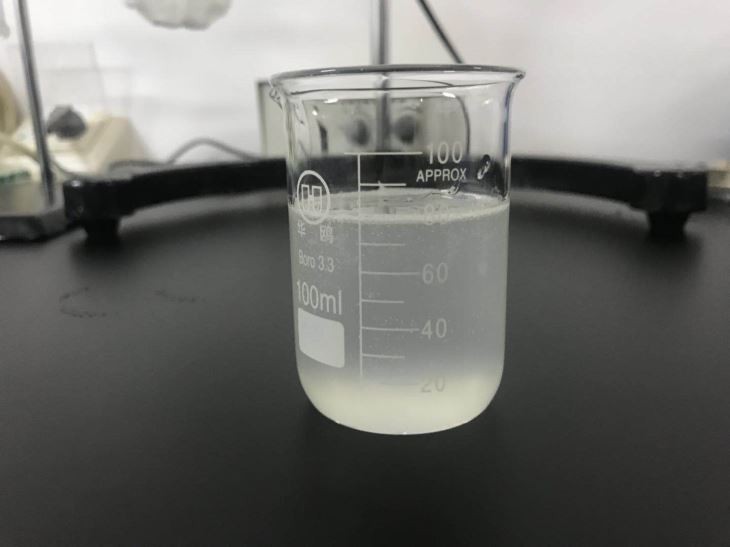
Caprylyl/Decyl Glucoside APG215 CS UP
APG 0810H65 (APG 215 CS UP) Chemical description Aqueous solution of alkyl polyglucosides based on a fatty alcohol C8 - C10 Labeling information INCI name: Caprylyl/Decyl Glucoside CAS-No.: 68515-73-1 Synonyms: Decyl Glucoside Product properties Appearance Light yellow viscous...

APG 1214 (APG1200UP) Chemical description C12 - C16 fatty alcohol glucoside Labeling information INCI name: Lauryl Glucoside CAS-No.: 110615-47-9 Product properties Appearance: slightly cloudy and viscous liquid Physical properties: Solid Content(%) 50.0-52.0 Water (wt %) 48.0-50.0 pH...
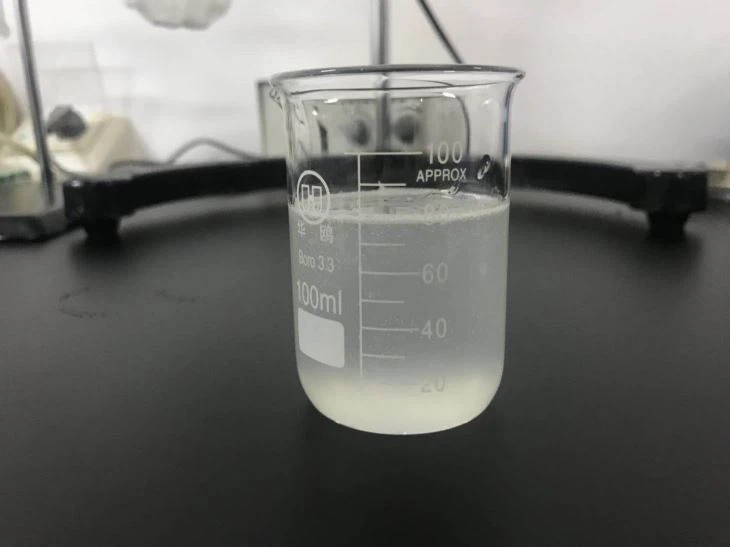
Caprylyl/Decyl Glucoside APG 8170
APG 0810H70 Chemical description Aqueous solution of alkyl polyglucosides based on a fatty alcohol C8 - C10 Labeling information INCI name: Capryl Glucoside CAS-No.: 68515-73-1 Synonyms: Decyl Glucoside Product properties Appearance light yellow liquid Physical properties Solid...
What is Decyl Glucoside?
Decyl Glucoside is a gentle, natural, vegan, plant-derived, biodegradable, non-toxic, and sustainable surfactant suitable for even the most sensitive skin. It falls under the alkyl glucosides category of surfactants and serves as a non-toxic, eco-friendly substitute for traditional sulfates such as sodium lauryl sulfate and sodium laureth sulfate.
Decyl glucoside is used extensively in:
-
Natural cleaning products
-
Laundry products
-
Skincare products (cleansers, creams, make-up remover, etc.)
-
Shampoos
-
Conditioners
-
Soaps
-
Body Washes
-
Baby care products
Other names for decyl glucoside include:
-
Decyl glucoside extract
-
Vegetable decyl glucoside
-
B-D-Glucopyranoside
-
DECYL-D-glucoside
-
DECYL
-
DECYL D-glucoside
-
DECYL Polyglucoside
-
DECYL- B-D-Glucopyranoside
-
DECYL-B -D-Glucopyranoside
-
GLUCOSIDE, Decyl
-
Non-ionic surfactant
Decyl Glucoside How Does it Work?
As a surfactant or cleansing agent, decyl glucoside functions by reducing the surface tension of the products it is added to. This results in:
1. More efficient removal of dirt and oils
2. Stable and enduring foam
3. Improved wetting power
4. As well as stabilizing oil and water mixtures
HOW IS IT MADE Decyl Glucoside?
Decyl glucoside is produced through a reaction called esterification, where glucose from corn starch combines with the fatty alcohol known as capric alcohol. This alcohol is derived from coconut and/or palm oil. The oil undergoes a process called splitting, followed by the separation of the resulting fatty acids. These acids then undergo hydrogenolysis to form the fatty alcohol.
What Are The Benefits Of Decyl Glucoside:
Gentle and Skin-Compatible
Decyl Glucoside is widely acclaimed for its exceptional gentleness and high skin compatibility. As a non-ionic surfactant, it rarely causes skin irritation or allergic reactions, suitable for all skin types, including sensitive skin. This is attributed to the glucose moiety in its molecule, which mimics the natural moisturizing factors of human skin, thereby reducing damage to the skin barrier and maintaining skin hydration and health.
Efficient Cleaning Power
Despite its gentle nature, Decyl Glucoside exhibits excellent cleaning capabilities. Its unique molecular structure allows it to form stable micelles in water, effectively encapsulating and removing oils, dirt, and makeup residue without relying on strong friction. Experimental data shows that at the same concentration, Decyl Glucoside's efficiency in removing standard oil contaminants is nearly 20% higher than some traditional surfactants, proving its ability to achieve efficient cleaning while ensuring mildness.
Stability and Versatility
Decyl Glucoside demonstrates good chemical stability and a wide pH适用范围 due to its non-ionic structure and unique molecular composition. It remains stable under various acidic and alkaline conditions, unaffected by ionic strength in solutions. The presence of the glucose group enhances the molecule's stability and water solubility, making it reliable in multiple formulations. Additionally, Decyl Glucoside's versatility is evident in its ability to be well-formulated with other surfactants or functional ingredients, suitable for a range of cleaning and personal care products.

What Are The Sources Of Decyl Glucoside?
Decyl glucoside is produced entirely from natural raw materials. It results from the chemical combination of fatty alcohols with sugars, with the glucose derived from either corn starch or corn sugar. Decanol, also known as decyl alcohol or the fatty alcohol, is obtained through the process of hydrogenolysis, which involves the fatty acids extracted from palm oil and coconuts.
Attributes Of Decyl Glucoside:
-
Obtained from 100% renewable vegetable origin
-
Tolerant of high electrolyte formulations (aloe)
-
Improves skin tolerance of the formulation
-
Fully Compatible with other Surfactants
-
Maintains skin balance without dryness
-
Easy to thicken with natural polymers
-
Readily Biodegradable
-
Environmentally friendly
-
Maintains skin balance
-
Good foaming power
-
ethylene oxide free

What is DECYL GLUCOSIDE used for?
Decyl glucoside possesses exceptional foaming capabilities and is extremely gentle on the skin. It is commonly used with all skin types and serves as an appropriate co-surfactant in a variety of cleansing products. Particularly suited for sensitive skin types, it works synergistically with other glucosides to improve foaming and condition the skin. Decyl glucoside aids in the removal of dirt and oil, while also effectively hydrating the skin and scalp. With its emulsifying characteristics, it nourishes the body thoroughly. In hair care formulations, decyl glucoside assists in eliminating buildup without depleting the hair of its color or natural oils.
Skin care
It functions as an emulsifier, generates gentle foam, smoothens the skin, and imparts a hydrating sensation. Its applications include facial cleansers, liquid body washes, moisturizers, liquid hand soaps, baby soap, baby shampoo, makeup remover, bubble bath, baby bubble bath, exfoliant/scrub, baby wipes, facial moisturizers, serums, bar soaps, bath oils/salts/soaks, sunscreens, and shaving creams.
Hair care
It is a gentle surfactant that cleans the scalp and hair of dirt and excess oil without risking irritation. It is extensively used in products such as baby shampoos, shampoos, conditioners, and beard cleansers. This ingredient offers a luxurious lather that soothes the scalp and is also incorporated into hair masks. Notably, it refrains from stripping away natural oils, making it an ideal choice for individuals with dry or curly hair seeking to remove buildup without aggressively disrupting the scalp's natural sebum production. Decyl glucoside possesses superior foaming characteristics compared to other cleansers, thereby aiding in enhancing the texture or volume of the hair shaft.
Decyl glucoside properties:
- Outstanding foaming capabilities for a non-ionic surfactant
- Minimizes the overall active ingredients in formulations
- Readily thickenable
- Non-irritating (maintains the skin's biological equilibrium)
- Environmentally friendly
Here are the main ways you will see decyl-glucoside used in products for the hair:
Gentle Shampoos: Hair cleansing products containing decyl-glucoside are milder and safer for sensitive skin and scalp. Like other surfactants, products with decyl-glucoside should be left on for only a few minutes before being thoroughly rinsed out to prevent irritation.
Moisturizing Conditioners: Gentle conditioners often include decyl-glucoside for its moisturizing benefits and its ability to stabilize the product's ingredients. Decyl-glucoside also aids in easy rinsing of the conditioner.
Hair Styling Products: Decyl-glucoside can also be found in hair styling products such as hair gels, mousses, dry shampoos, and smoothing serums.
Decyl Glucoside is entirely natural and is a biodegradable plant derivative. It is sourced from natural ingredients, created by combining the fatty alcohol found in coconut with the glucose present in starch and sugar. Regarded as non-toxic and non-irritating, Decyl Glucoside has been widely incorporated into personal care products, beauty products, bath products, and baby products.
The ingredient is easily absorbed into the skin, where it gently cleanses, nourishes, and moisturizes both the skin and hair.
Generally, Decyl Glucoside is viewed as non-irritating, non-allergic, non-toxic, non-carcinogenic, and safe for topical application. These non-ionic surfactants neither irritate nor dry out the skin. Thanks to its exceptional foaming property, Decyl Glucoside is an optimal choice for bath products such as bubble baths. To achieve enhanced foaming capabilities, Decyl Glucoside is used in conjunction with other surfactants.
Our Factory
At Jeslyee Chemicals, our staff is committed to excellence in all aspects of our business. Our sales associates are experienced and knowledgeable, providing support to all our clients. Technical service is a key component for the continuous growth of Jeslyee Chemicals. We can offer suggestions, solutions, product samples, as well as any required documents, and you will find a reliable partner in the surfactants field. Our values include dedicating ourselves to our clients' success and innovation through thoughtful practices and building long-term relationships with suppliers and customers.
FAQ
Q: What are the benefits of decyl glucoside?
Q: What are the properties of decyl glucoside?
Q: What are the benefits of glucoside face wash?
Q: Is decyl glucoside good for sensitive skin?
Q: What are the side effects of Decyl Glucoside?
Q: What are the hazards of Decyl Glucoside?
Q: What does Decyl Glucoside do to hair?
Q: Can you be allergic to Decyl Glucoside?
Q: What is the difference between Decyl Glucoside and coco glucoside?
Q: What is the usage level of Decyl Glucoside?
Q: Is decyl glucoside irritating?
Q: Is decyl glucoside bad for acne?
Q: What plant does decyl glucoside come from?
Decyl glucoside is produced by the reaction of glucose from corn starch with the fatty alcohol decanol, which is derived from coconut.
Q: What is the alcohol in decyl glucoside?
Q: What are the benefits of Decyl Glucoside for skin?
Q: Is Decyl Glucoside bad for the environment?
Q: Is Decyl Glucoside good for low porosity hair?
Look for gentle surfactants in shampoo. Decyl glucoside is very gentle and great for hair. Cetearyl Alcohol is an emollient that is less likely to weigh hair down than oil. Cocomidopropyl betaine is a gentle surfactant that also has conditioning properties.
Q: Is Decyl Glucoside water or oil soluble?
Q: What are the symptoms of Decyl Glucoside allergy?
Q: What is the difference between coco glucoside and lauryl glucoside?
Hot Tags: apg 0810/decyl glucoside/cas:68515-73-1, China apg 0810/decyl glucoside/cas:68515-73-1 manufacturers, suppliers, factory, alkyl polyglycoside, decyl glucoside, APG220, 68515-73-1, 68515 73 1, alkyl glycoside