


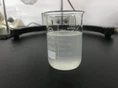


Hey there! As an alkyl glucoside supplier, I often get asked, "Can alkyl glucoside be used in cosmetics?" Well, let's dive right into this topic and find out.
First off, what the heck is alkyl glucoside? Alkyl glucosides, often referred to as APGs, are a group of non - ionic surfactants. They're made from renewable raw materials like fatty alcohols and glucose, which are derived from natural sources such as coconut oil and starch. This natural origin makes them a pretty attractive option in the cosmetics industry, where there's a growing demand for sustainable and eco - friendly ingredients.

Now, let's talk about why alkyl glucoside is a great fit for cosmetics. One of the main advantages is its mildness. Unlike some traditional surfactants that can be harsh on the skin, alkyl glucoside is gentle. It has a low irritation potential, which means it's suitable for all skin types, including sensitive skin. Whether you have dry, oily, or combination skin, products with alkyl glucoside are less likely to cause redness, itching, or other allergic reactions.
Take facial cleansers for example. A good facial cleanser should clean the skin without stripping away its natural moisture. Alkyl glucoside does just that. It effectively removes dirt, oil, and makeup from the skin's surface while maintaining the skin's natural pH balance. This helps to keep the skin hydrated and healthy. Many high - end facial cleansers on the market are now using alkyl glucoside as a key ingredient to appeal to consumers looking for gentle yet effective cleansing options.
Another area where alkyl glucoside shines is in hair care products. Shampoos formulated with alkyl glucoside can clean the hair and scalp without being overly drying. They leave the hair feeling soft, smooth, and manageable. Plus, they don't cause the same build - up as some synthetic surfactants, which can make the hair look dull and greasy over time. Conditioners can also benefit from alkyl glucoside. It can help to improve the spreadability of the conditioner and enhance its ability to detangle the hair.
In body washes, alkyl glucoside provides a luxurious lather. The rich, creamy foam gives the user a pleasant bathing experience. And because it's mild, it won't leave the skin feeling tight or dry after use. It's like a mini - spa treatment in the shower!
But it's not just about the performance. The natural origin of alkyl glucoside also plays well with the current consumer trend towards "green" cosmetics. People are becoming more conscious of what they put on their bodies and the impact it has on the environment. Since alkyl glucoside is biodegradable, it breaks down easily in the environment, reducing the overall environmental footprint of cosmetic products.
Now, let's take a look at some of the specific types of alkyl glucoside we offer. We have APG 0810/decyl Glucoside/CAS:68515 - 73 - 1. This product has excellent foaming properties and is highly soluble in water. It's a popular choice for formulating shampoos, body washes, and facial cleansers. It provides a rich, stable lather that makes the cleansing process more enjoyable.
Our APG 0810H70/decyl Glucoside/CAS:68515 - 73 - 1 is another great option. It has a higher active content, which means you can use less of it in your formulations while still achieving the desired results. This can be cost - effective for cosmetic manufacturers. It also has good compatibility with other ingredients, allowing for more flexibility in product development.
And then there's APG 0810H70DK/decyl Glucoside/CAS:68515 - 73 - 1/225DK. This variant has some unique properties that make it suitable for specific applications. It may have enhanced stability or other performance characteristics that can be tailored to meet the specific needs of different cosmetic products.
In addition to its mildness and natural origin, alkyl glucoside also has good emulsifying properties. In cosmetics, emulsions are used to combine oil and water phases, such as in creams and lotions. Alkyl glucoside can help to create stable emulsions, ensuring that the product has a consistent texture and appearance. This is important for both the quality and the shelf - life of the cosmetic product.
It also has some antimicrobial properties. While it's not a substitute for traditional preservatives, it can help to reduce the growth of certain microorganisms in cosmetic formulations. This can be an added bonus in products where maintaining a low microbial count is crucial.
Now, I know you might be thinking, "Sounds great, but what about the cost?" Well, while alkyl glucoside may be a bit more expensive than some traditional surfactants, the benefits it offers in terms of performance, mildness, and sustainability often justify the price. Plus, as the demand for natural and sustainable ingredients continues to grow, the cost is likely to become more competitive over time.
So, to sum it up, alkyl glucoside is an excellent choice for cosmetics. Its mildness, natural origin, and various performance benefits make it a versatile ingredient that can be used in a wide range of cosmetic products, from cleansers to moisturizers.
If you're a cosmetic manufacturer or someone involved in the formulation of beauty products, I encourage you to consider using alkyl glucoside in your next product. It's a trend that's here to stay, and it can help you create high - quality, sustainable, and consumer - friendly cosmetics. Reach out to us if you want to learn more or discuss potential partnerships. We're always happy to talk about how our alkyl glucoside products can meet your specific needs.
References
- Cosmetics Ingredient Review Expert Panel. "Final Report on the Safety Assessment of Alkyl Polyglucosides." International Journal of Toxicology.
- Leung, A. Y., & Belsito, D. V. "Allergic Contact Dermatitis to Cosmetics." Dermatologic Clinics.