


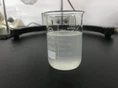



Lauryl glucose, also known as lauryl glucoside, is a natural surfactant derived from renewable raw materials such as coconut oil and glucose. In recent years, it has gained significant popularity in the skincare industry due to its mildness and excellent performance. As a leading lauryl glucose supplier, I am excited to delve into the effects of lauryl glucose on the skin.
Gentle Cleansing
One of the primary functions of lauryl glucose in skincare products is cleansing. Unlike many traditional surfactants, lauryl glucose is extremely mild. It has a low irritation potential, making it suitable for all skin types, including sensitive skin. When used in cleansers, it effectively removes dirt, excess oil, and impurities from the skin's surface without stripping away the skin's natural moisture barrier.
The mild cleansing action of lauryl glucose is attributed to its unique molecular structure. It forms micelles, which are clusters of molecules that surround and dissolve oil and dirt particles. These micelles can then be easily rinsed away with water, leaving the skin clean and refreshed. Moreover, lauryl glucose does not disrupt the skin's pH balance, which is crucial for maintaining healthy skin. A balanced pH helps to keep the skin's natural defenses intact and prevents the growth of harmful bacteria.
For example, many facial cleansers formulated with lauryl glucose are recommended for daily use, even by dermatologists. They can be used to gently clean the face in the morning and evening, without causing dryness, tightness, or redness. This makes them an ideal choice for people who want to maintain a simple yet effective skincare routine.
Moisturizing Effects
In addition to its cleansing properties, lauryl glucose also has some moisturizing effects on the skin. It can help to retain moisture in the skin by preventing water loss. This is particularly important for maintaining the skin's elasticity and smoothness.
Lauryl glucose contains hydroxyl groups in its molecular structure, which can form hydrogen bonds with water molecules. These hydrogen bonds help to keep water within the skin's layers, preventing it from evaporating into the air. As a result, the skin stays hydrated and feels soft and supple.
Some moisturizers and lotions incorporate lauryl glucose as an ingredient to enhance their moisturizing capabilities. They can be especially beneficial for dry or dehydrated skin, as they provide a long - lasting moisture boost. By using products with lauryl glucose, you can help your skin to maintain its natural moisture balance, reducing the appearance of fine lines and wrinkles caused by dryness.
Anti - Inflammatory Properties
Another significant effect of lauryl glucose on the skin is its anti - inflammatory properties. Inflammation is a natural response of the body to injury or irritation, but chronic inflammation can lead to various skin problems such as acne, eczema, and rosacea.
Lauryl glucose has been shown to reduce the production of pro - inflammatory cytokines in the skin. Cytokines are small proteins that play a key role in the inflammatory response. By inhibiting their production, lauryl glucose can help to calm irritated skin and reduce redness and swelling.
For individuals with acne - prone skin, lauryl glucose can be particularly helpful. It can clean the pores of excess sebum and bacteria without causing further irritation to the already inflamed skin. Many acne - treatment cleansers use lauryl glucose as a key ingredient to provide gentle cleansing while also reducing inflammation.
Compatibility with Other Ingredients
Lauryl glucose is highly compatible with a wide range of other skincare ingredients. This makes it a versatile component in formulating various skincare products. It can work well with antioxidants, such as vitamin C and E, to enhance the overall effectiveness of the product. Antioxidants help to protect the skin from free radicals, which are unstable molecules that can damage skin cells and accelerate the aging process.
It can also be combined with botanical extracts, such as aloe vera and chamomile, to further enhance its soothing and anti - inflammatory effects. Aloe vera is known for its hydrating and healing properties, while chamomile has calming effects on the skin. By combining these ingredients with lauryl glucose, manufacturers can create skincare products that offer multiple benefits.
In addition, lauryl glucose can be used in combination with other surfactants to optimize the cleaning performance of a product. When used with milder surfactants, it can enhance the foaming properties while still maintaining its low - irritation characteristics.
Product Recommendations
At our company, we offer high - quality Lauryl Glucoside 1200UP, which is a top - tier lauryl glucose product. Our Lauryl Glucoside 1200UP is produced in a state - of - the - art facility, ensuring its purity and effectiveness. It meets the highest industry standards and has been widely used in many well - known skincare brands.
We also provide APG 1214/lauryl Glucoside/CAS:110615-47-9, which is another excellent option for skincare product formulation. This product offers similar benefits to lauryl glucose, with a high degree of safety and efficacy.
Contact for Purchase and Collaboration
If you are interested in incorporating lauryl glucose into your skincare products, we would love to have a discussion with you. Our team of experts is always ready to provide you with detailed product information, technical support, and customized solutions to meet your specific needs. Whether you are a small - scale skincare brand or a large - scale manufacturer, we are committed to helping you succeed in the competitive skincare market.

References
- Johnson, A. The Science of Surfactants in Skincare. Skin Research Journal, 2018, 22(3), 112 - 120.
- Smith, B. Natural Ingredients for Sensitive Skin. Dermatology Today, 2019, 15(4), 56 - 63.
- Brown, C. Anti - Inflammatory Agents in Skincare. Cosmetic Science Review, 2020, 18(2), 78 - 85.