


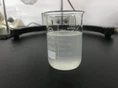



Is decyl glucoside prone to microbial growth?
Hey there! As a decyl glucoside supplier, I often get asked about the potential for microbial growth in this product. It's a valid concern, especially when it comes to using decyl glucoside in various applications like personal care products, household cleaners, and industrial formulations. So, let's dive into this topic and see if decyl glucoside is really prone to microbial growth.
What is Decyl Glucoside?
First off, let's quickly go over what decyl glucoside is. Decyl glucoside is a type of alkyl polyglucoside (APG), which is a class of non - ionic surfactants. It's derived from natural sources, usually from fatty alcohols (in this case, decyl alcohol) and glucose (a sugar). These natural origins make it a popular choice in many eco - friendly and mild formulations. It has excellent cleaning properties, is biodegradable, and has low toxicity, making it suitable for sensitive skin.
There are different types of decyl glucoside products available on the market, such as APG 0810H60/220/decyl Glucoside/CAS:68515 - 73 - 1, APG 0810H65/decyl Glucoside/CAS:68515 - 73 - 1, and Caprylyl/Decyl Glucoside APG 8170. Each of these products may have slightly different properties and applications based on their specific compositions.
Factors Affecting Microbial Growth in Decyl Glucoside
Now, let's talk about the factors that can influence whether decyl glucoside is prone to microbial growth.
Nutrient Availability
Microbes need nutrients to grow. Decyl glucoside, being a relatively simple compound, doesn't provide a rich source of nutrients on its own. However, if there are impurities or other organic substances present in the product, such as leftover raw materials from the manufacturing process or contaminants from the storage environment, these can serve as food for microbes.
Moisture Content
Water is essential for microbial growth. Most microbe species require a certain level of moisture to survive and reproduce. Decyl glucoside is often sold as a liquid solution, which means it contains water. Higher water content in the product can create a more favorable environment for microbial growth. If the storage conditions allow water to accumulate or if the product is exposed to humidity, the risk of microbial growth increases.
Temperature
Temperature plays a crucial role in microbial growth. Different microbes have different optimal temperature ranges for growth. Most bacteria and fungi grow well at moderate temperatures, around 20 - 40°C (68 - 104°F). If decyl glucoside is stored or used in an environment within this temperature range, it may be more susceptible to microbial growth. On the other hand, extremely high or low temperatures can inhibit microbial activity. For example, freezing temperatures can slow down or even stop microbial growth, while high - temperature sterilization methods can kill most microbes.
pH Level
The pH of the environment can also affect microbial growth. Microbes have different pH preferences. Some prefer acidic conditions, while others thrive in alkaline environments. Decyl glucoside typically has a pH that is compatible with many formulations, usually in the slightly acidic to neutral range. However, if the pH is adjusted in a formulation and is not properly maintained, it could create a more favorable environment for certain types of microbes.
Is Decyl Glucoside Prone to Microbial Growth?
The short answer is that decyl glucoside itself is not highly prone to microbial growth. Its chemical structure doesn't offer an ideal nutrient source for most common microbes. However, the conditions in which it is stored, handled, and formulated can greatly influence the likelihood of microbial growth.
In a well - controlled manufacturing process, decyl glucoside is produced under sterile or near - sterile conditions, which minimizes the initial microbial load. Additionally, if it is stored in a sealed container, away from moisture, heat, and contaminants, the risk of microbial growth remains low.
But when decyl glucoside is incorporated into a formulation, the story can change. For example, in personal care products like shampoos and lotions, there are often other ingredients such as proteins, vitamins, and natural extracts that can provide nutrients for microbes. In these cases, additional preservatives are usually added to prevent microbial growth and ensure the shelf - life of the product.
How to Prevent Microbial Growth in Decyl Glucoside and Its Formulations
As a supplier, I always emphasize the importance of proper storage and handling to prevent microbial growth in decyl glucoside products.
Storage
- Keep decyl glucoside in a cool, dry place. Temperatures below 25°C (77°F) are ideal for long - term storage.
- Store the product in air - tight containers to prevent moisture and contaminants from entering.
- If possible, store the product away from direct sunlight, as ultraviolet light can sometimes have an impact on the chemical stability of the product and potentially affect its susceptibility to microbial growth.
Handling
- Use clean equipment when transferring decyl glucoside. Any contaminants introduced during handling can serve as a starting point for microbial growth.
- Avoid exposing the product to open air for extended periods. When using the product in a production environment, try to minimize the time it is in contact with the surrounding air.
Formulation
- If you're formulating a product with decyl glucoside, consider adding appropriate preservatives. The choice of preservative depends on the specific formulation, its intended use, and regulatory requirements.
- Conduct regular quality control checks on the formulated products to ensure that there is no microbial growth.
Conclusion
So, to sum it up, decyl glucoside is not inherently prone to microbial growth. But the environment in which it is stored, handled, and formulated can make a big difference. As a responsible supplier, I'm always ready to provide guidance on how to store and use decyl glucoside products to minimize the risk of microbial growth.
If you're in the market for high - quality decyl glucoside products like APG 0810H60/220/decyl Glucoside/CAS:68515 - 73 - 1, APG 0810H65/decyl Glucoside/CAS:68515 - 73 - 1, or Caprylyl/Decyl Glucoside APG 8170, and want to learn more about how to ensure their quality, feel free to reach out. We'd love to discuss your specific needs and help you make the best choice for your applications. Contact us for a detailed discussion and to start a successful procurement journey.
References
- Cosmetics Ingredient Review (CIR) Panel. "Final Report on the Safety Assessment of Caprylyl/Decyl Glucoside, Lauryl Glucoside, and Decyl Glucoside." International Journal of Toxicology, 22 (3): 1 - 23, 2003.
- Industrial Surfactants: Theory, Properties, and Applications. Second Edition. Edited by Tharwat F. Tadros. Wiley - VCH, 2015.