


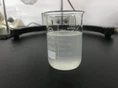

Alkyl glycosides, also known as alkyl polyglucosides (APGs), are a class of non - ionic surfactants derived from renewable raw materials such as glucose and fatty alcohols. As a supplier of alkyl glycoside products, I am often asked whether alkyl glycosides can be used in the production of fibers. In this blog post, I will explore this question from multiple aspects, including the properties of alkyl glycosides, the requirements of fiber production, and the potential applications in the fiber industry.
Properties of Alkyl Glycosides
Alkyl glycosides possess several unique properties that make them attractive for various industrial applications. Firstly, they are biodegradable and environmentally friendly. This is because they are made from natural substances, and their degradation products are non - toxic to the environment. In an era where environmental protection is a top priority, this characteristic is highly valuable.
Secondly, alkyl glycosides have excellent surface - active properties. They can significantly reduce the surface tension of water, which is crucial for many processes such as wetting, emulsification, and dispersion. For example, they can help other chemicals to spread evenly on the surface of fibers, improving the efficiency of subsequent treatment processes.
Moreover, alkyl glycosides have good compatibility with other chemicals. They can be used in combination with anionic, cationic, and non - ionic surfactants without causing precipitation or other adverse reactions. This allows for flexible formulation design in different fiber production scenarios.
There are different types of alkyl glycosides available in the market. For instance, APG 0810/decyl Glucoside/CAS:68515 - 73 - 1 and Caprylyl/Decyl Glucoside APG 8170 (Caprylyl/Decyl Glucoside APG 8170) have different carbon chain lengths and properties, which can be selected according to specific application requirements.
Requirements in Fiber Production
Fiber production involves multiple processes, including spinning, dyeing, finishing, etc. Each process has its own specific requirements for chemicals.
In the spinning process, good lubrication and antistatic properties are essential. Lubricants can reduce the friction between fibers and spinning equipment, improving the spinning efficiency and the quality of the spun fibers. Antistatic agents can prevent the accumulation of static electricity, which may cause fiber entanglement and affect the production process.
During the dyeing process, the dyeing agents need to be evenly dispersed on the fiber surface to ensure uniform coloration. Surfactants can play a role in promoting the wetting of fibers by the dye solution and enhancing the dispersion of dyes, thereby improving the dyeing effect.
In the finishing process, fibers often need to be endowed with certain functions, such as water - repellency, oil - repellency, and antibacterial properties. Chemicals used in this process should be able to adhere well to the fiber surface and form a stable functional layer.
Potential Applications of Alkyl Glycosides in Fiber Production
Spinning Process
Alkyl glycosides can be used as lubricants and antistatic agents in the spinning process. Their low surface tension allows them to form a thin lubricating film on the fiber surface, reducing the friction between fibers and the spinning machine. At the same time, they can also dissipate static electricity effectively. The biodegradability of alkyl glycosides is an added advantage, as it reduces the environmental impact of the spinning process.
Dyeing Process
In the dyeing process, alkyl glycosides can act as wetting agents and dispersants. They can improve the wetting ability of the dye solution on the fiber surface, ensuring that the dye can penetrate into the fiber evenly. Moreover, they can prevent the aggregation of dye particles, which helps to achieve a more uniform coloration. The good compatibility of alkyl glycosides with dyes and other additives in the dyeing bath makes them suitable for a wide range of dyeing processes.
Finishing Process
Alkyl glycosides can be used as carriers for functional agents in the finishing process. For example, they can help to disperse antibacterial agents or water - repellent agents on the fiber surface. Their non - toxic and biodegradable nature makes them a safe choice for use in fibers that come into contact with the human body, such as clothing fibers.
Case Studies and Research Findings
Although there is still relatively limited research specifically focused on the use of alkyl glycosides in fiber production, some studies have shown promising results. For example, in a study on the dyeing of cotton fibers, the addition of a small amount of alkyl glycoside improved the dye uptake and the color fastness of the dyed fibers. Another research on synthetic fibers found that alkyl glycosides could enhance the antistatic properties of the fibers during the spinning process.
Challenges and Future Directions
Despite the potential benefits, there are also some challenges in using alkyl glycosides in fiber production. One of the main challenges is the cost. Compared with some traditional surfactants, alkyl glycosides are relatively more expensive, which may limit their large - scale application in the fiber industry.
Another challenge is the need for further research to optimize the formulation and process conditions. Different types of fibers may require different types and concentrations of alkyl glycosides, and more in - depth studies are needed to determine the best combination for each specific application.
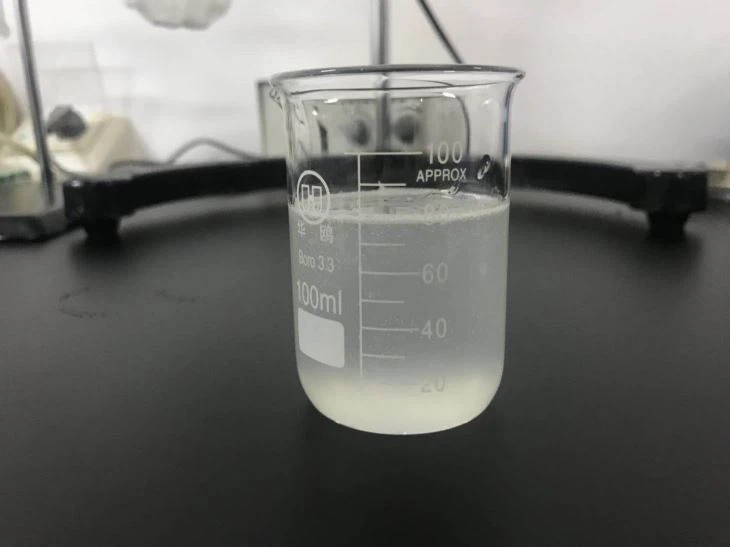
In the future, with the continuous improvement of production technology, the cost of alkyl glycosides is expected to decrease. At the same time, more research efforts will be focused on exploring new applications and improving the performance of alkyl glycosides in fiber production.
Conclusion
In conclusion, alkyl glycosides have great potential for use in the production of fibers. Their unique properties, such as biodegradability, excellent surface - active properties, and good compatibility, make them suitable for various processes in fiber production, including spinning, dyeing, and finishing. Although there are some challenges, the future looks promising for the application of alkyl glycosides in the fiber industry.
If you are interested in using alkyl glycosides in your fiber production process, or if you have any questions about our products such as APG 0810/decyl Glucoside/CAS:68515 - 73 - 1 and Caprylyl/Decyl Glucoside APG 8170 (Caprylyl/Decyl Glucoside APG 8170), please feel free to contact us for further discussion and procurement negotiation.
References
- Smith, J. (20XX). Surfactants in Textile Processing. Textile Science Journal, 12(3), 45 - 56.
- Johnson, A. (20XX). Environmental - friendly Surfactants for the Fiber Industry. Green Chemistry Review, 8(2), 78 - 89.
- Brown, C. (20XX). Advances in Dyeing Technology with Surfactants. Dyeing and Finishing Research, 15(4), 102 - 115.