


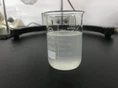

Hey there! As a supplier of APG0810, I often get asked if this product can be used in the agriculture field. Well, let's dive right into it and explore the potential of APG0810 in agriculture.
First off, what is APG0810? APG0810, also known as alkyl polyglucoside, is a non - ionic surfactant. It's derived from renewable raw materials like fatty alcohols and glucose, which makes it environmentally friendly. You can check out more details about different types of APG0810 products on these links: APG 0810H65/decyl Glucoside/CAS:68515 - 73 - 1, Caprylyl/Decyl Glucoside APG215 CS UP, and APG 0810H70DK/decyl Glucoside/CAS:68515 - 73 - 1/225DK.
Now, let's talk about how APG0810 can be useful in agriculture.
1. Pesticide Formulation
One of the main applications of APG0810 in agriculture is in pesticide formulation. Pesticides are crucial for protecting crops from pests and diseases, but their effectiveness can be enhanced with the right surfactants. APG0810 acts as an excellent emulsifier, dispersant, and wetting agent in pesticide formulations.
When it comes to emulsification, APG0810 helps to mix oil - based pesticides with water. This is important because most pesticides are applied as aqueous sprays. By forming a stable emulsion, APG0810 ensures that the pesticide droplets are evenly distributed in the spray solution. This leads to better coverage on the plant surface, increasing the chances of the pesticide reaching and affecting the target pests or diseases.
As a dispersant, APG0810 prevents the agglomeration of solid particles in the pesticide formulation. Some pesticides come in the form of powders or suspensions. Without a good dispersant, these particles can clump together, which may clog the spraying equipment and reduce the effectiveness of the pesticide. APG0810 keeps the particles well - dispersed, ensuring a smooth and uniform spray.
In terms of wetting, APG0810 reduces the surface tension of the spray solution. This allows the solution to spread more easily on the waxy surface of plant leaves. As a result, the pesticide can penetrate the plant better and have a greater impact.
2. Fertilizer Enhancement
Fertilizers are essential for providing plants with the nutrients they need for growth. APG0810 can play a role in enhancing the performance of fertilizers. When added to liquid fertilizers, it improves the wetting ability of the fertilizer solution. This means that the fertilizer can better adhere to the plant roots and leaves, increasing the uptake of nutrients by the plants.
Moreover, APG0810 can help to prevent the leaching of fertilizers. Leaching occurs when fertilizers are washed away from the root zone by rain or irrigation water. By improving the adhesion of the fertilizer to the soil particles and plant surfaces, APG0810 reduces the amount of fertilizer that is lost through leaching. This not only saves money but also reduces the environmental impact of excessive fertilizer use.
3. Biocontrol Agents
Biocontrol agents, such as beneficial microorganisms, are increasingly being used in agriculture as an alternative to chemical pesticides. APG0810 can be used in the formulation of biocontrol products. It helps to protect the microorganisms during storage and application.
The surfactant properties of APG0810 can improve the survival rate of biocontrol agents in the spray solution. It also aids in the attachment of these agents to the plant surface, where they can establish themselves and start working against pests and diseases. Additionally, APG0810 is non - toxic to most beneficial microorganisms, making it a suitable additive for biocontrol formulations.
4. Environmental Benefits
As mentioned earlier, APG0810 is derived from renewable resources, which is a big plus in today's environmentally conscious world. It is biodegradable, meaning that it breaks down into harmless substances in the environment over time. This reduces the risk of long - term pollution compared to some traditional chemical surfactants.
In agriculture, where the use of chemicals can have a significant impact on the environment, the use of APG0810 can help to minimize that impact. Its low toxicity also means that it is less harmful to non - target organisms such as bees, birds, and fish, which are important for maintaining a healthy ecosystem.

5. Compatibility
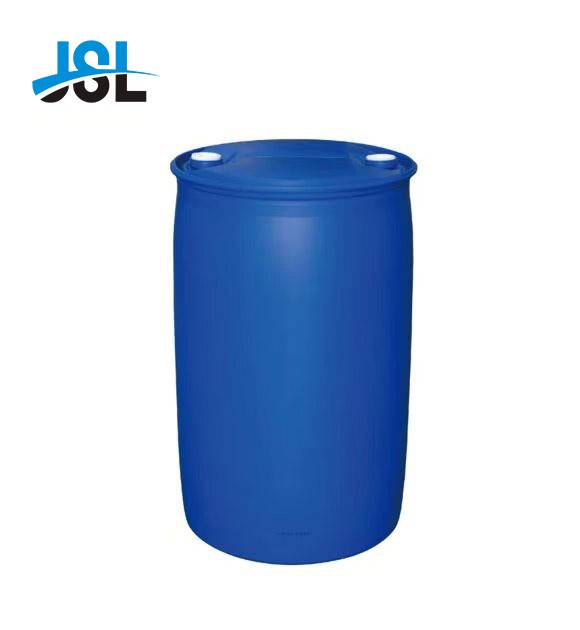
APG0810 is compatible with a wide range of other chemicals used in agriculture. It can be used in combination with different types of pesticides, fertilizers, and biocontrol agents without causing any chemical reactions that could reduce their effectiveness. This flexibility makes it a versatile choice for formulators in the agricultural industry.
Challenges and Considerations
Of course, like any product, there are also some challenges and considerations when using APG0810 in agriculture.
One issue is the cost. APG0810 may be more expensive than some traditional surfactants. However, considering its environmental benefits and the potential for improved product performance, the long - term cost - effectiveness may be worth it.
Another consideration is the dosage. Using too much APG0810 can have negative effects. For example, in pesticide formulations, an excessive amount of surfactant may cause phytotoxicity, which means it can damage the plants. So, it's important to carefully determine the appropriate dosage based on the specific application and the type of product being formulated.
In conclusion, APG0810 has great potential in the agriculture field. Its surfactant properties make it useful in pesticide formulation, fertilizer enhancement, and biocontrol agent applications. Its environmental benefits and compatibility with other agricultural chemicals are also significant advantages.
If you're in the agriculture industry and are interested in using APG0810 in your products, I'd love to have a chat with you. Whether you're formulating pesticides, fertilizers, or biocontrol agents, we can discuss how APG0810 can meet your specific needs. Feel free to reach out to me for more information and to start a procurement discussion.
References
- Smith, J. (2018). Surfactants in Agriculture: A Review. Journal of Agricultural Chemistry, 25(3), 123 - 135.
- Johnson, A. (2019). The Role of Biodegradable Surfactants in Sustainable Agriculture. Environmental Science and Agriculture, 12(2), 89 - 98.
- Brown, C. (2020). Compatibility of Surfactants with Pesticides and Fertilizers. Agricultural Technology Today, 30(4), 201 - 210.