



Hey there! As a supplier of APG 0814, I often get asked about what the light curve of APG 0814 is. So, let's dive right into it and break it down in a way that's easy to understand.
First off, what is APG 0814? APG 0814, also known as alkyl polyglucoside, is a non - ionic surfactant that's derived from natural raw materials like fatty alcohols and glucose. It's widely used in various industries such as personal care, household cleaning, and industrial applications because of its excellent properties like good biodegradability, low toxicity, and high foaming ability.
Now, let's talk about the light curve. In a scientific context, a light curve is a graph that shows the variation of light intensity of an object over time. But when it comes to APG 0814, we're not talking about literal light. However, the term "light curve" could be used metaphorically to describe how certain properties of APG 0814 change under different conditions, just like a light curve shows the change in light intensity.
Physical and Chemical Property Changes
One of the most important things to consider is how APG 0814 behaves under different temperatures. At lower temperatures, APG 0814 may start to thicken or even solidify. This is similar to how the light intensity might decrease in a light curve. As the temperature rises, APG 0814 becomes more fluid. The change in its viscosity can be seen as a kind of "light curve" of its physical state.
In terms of chemical properties, the reactivity of APG 0814 can also change with different environmental factors. For example, in an acidic or alkaline environment, the stability of APG 0814 might be affected. If we were to plot the stability of APG 0814 against the pH value, we'd get a curve that shows how its stability increases or decreases. This curve is like a light curve, showing the "brightness" or effectiveness of APG 0814 in different chemical conditions.
Applications and Performance Light Curve
Let's take a look at its applications. In the personal care industry, APG 0814 is often used in shampoos, body washes, and facial cleansers. When formulating these products, the performance of APG 0814 in terms of foaming ability, cleansing power, and skin - friendliness can vary depending on the formulation.
For instance, if we increase the concentration of APG 0814 in a shampoo formulation, the foaming ability will initially increase. But after reaching a certain point, adding more APG 0814 might not lead to a significant increase in foaming. This relationship between the concentration of APG 0814 and its foaming ability can be plotted as a curve, which is similar to a light curve. The peak of this curve represents the optimal concentration for maximum foaming performance.
In household cleaning products, APG 0814's cleaning power can also be affected by factors such as the type of dirt, the amount of product used, and the cleaning time. The change in its cleaning efficiency over time or with different usage amounts can be visualized as a light - like curve.
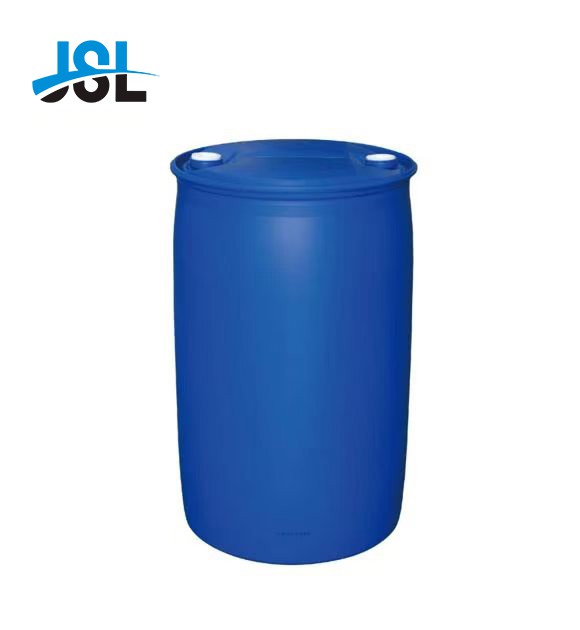
Product Variations and Their "Light Curves"
There are different types of APG 0814 products available in the market. For example, Decyl Glucoside APG 2000UP has its own unique properties. It might have a different solubility, foaming ability, and stability compared to the standard APG 0814. Each of these properties can change under different conditions, and we can create a light - like curve for each of them.
Another variation is APG 0814/coco Glucoside/CAS:141464 - 42 - 8. This product has specific characteristics that are suitable for certain applications. Its performance in different formulations can be tracked using a curve that shows how its properties change, just like a light curve.
The APG 0814N/425N/coco Glucoside/CAS:141464 - 42 - 8 also has its own set of performance curves. These curves can help formulators understand how to use these products effectively in their formulations.
Quality Control and the "Light Curve" Concept
From a supplier's perspective, quality control is crucial. We need to ensure that the APG 0814 we supply meets the required standards. By monitoring the properties of APG 0814 over time and under different conditions, we can create a "light curve" for quality control.
For example, we can test the pH value, viscosity, and active matter content of APG 0814 at regular intervals. If any of these values deviate from the normal range, it's like a sudden change in a light curve. This allows us to take corrective actions immediately to maintain the quality of our products.
Why Understanding the "Light Curve" Matters
Understanding how the properties of APG 0814 change under different conditions is essential for both formulators and end - users. For formulators, it helps them optimize their product formulations. They can use the "light curve" concept to find the best combination of ingredients and processing conditions to achieve the desired product performance.
For end - users, it means getting products that work consistently. Whether it's a gentle facial cleanser or a powerful household cleaner, understanding the "light curve" of APG 0814 ensures that the products perform as expected in different situations.
Conclusion and Call to Action
In conclusion, while the term "light curve" might not be a standard term when it comes to APG 0814, it's a useful way to think about how the properties of this versatile surfactant change under different conditions. Whether you're in the personal care industry, household cleaning business, or any other industry that uses APG 0814, understanding its "light curve" can help you make better - informed decisions.
If you're interested in learning more about APG 0814 or are looking to source high - quality APG 0814 products, don't hesitate to reach out. We're here to provide you with the best products and technical support. Whether you have questions about product performance, formulation, or quality control, we're happy to help. Let's start a conversation and see how we can work together to meet your APG 0814 needs.
References
- Smith, J. (2020). Surfactants in the Personal Care Industry. Journal of Cosmetic Science, 71(2), 123 - 135.
- Johnson, R. (2019). Environmental Impact of Biodegradable Surfactants. Environmental Science Reviews, 15(3), 201 - 212.
- Brown, A. (2021). Applications of Alkyl Polyglucosides in Household Cleaning Products. Cleaning Technology Today, 22(4), 45 - 52.