





Hey there! As a supplier of APG60, I've been getting a bunch of questions lately about whether APG60 can be used in edge computing. So, I thought I'd dive into this topic and share my thoughts.
First off, let's quickly go over what APG60 is. APG60 is a type of alkyl polyglucoside. For those of you who might be interested in other related products, we also have APG 0810/decyl Glucoside/CAS:68515-73-1 and Caprylyl/Decyl Glucoside APG 8170. These compounds are known for their excellent surfactant properties, biodegradability, and low toxicity. But the question is, how do they fit into the world of edge computing?
Edge computing is all about bringing data storage and processing closer to the source of data generation. This reduces latency, saves bandwidth, and can improve overall system performance. It's widely used in applications like IoT devices, smart cities, and industrial automation.
Now, let's think about the properties of APG60. One of the key aspects in edge computing is the need for reliable and efficient hardware. Heat management is a big deal here. High temperatures can cause hardware to malfunction or even fail prematurely. This is where APG60 might come in handy.
APG60 has good thermal stability. In some cases, it can be used as a component in cooling fluids. Cooling is crucial in edge computing devices, especially those with high - performance processors that generate a lot of heat. By using APG60 - based cooling solutions, we can potentially keep the temperature of these devices in check, ensuring they operate smoothly.
Another aspect is the need for clean and stable electrical connections in edge computing hardware. APG60 has surfactant properties, which means it can be used in cleaning agents. These agents can help remove dirt, dust, and other contaminants from circuit boards and electrical components. Keeping these components clean is essential for maintaining good electrical conductivity and preventing short - circuits.
But it's not all smooth sailing. There are some challenges to using APG60 in edge computing. For one, the compatibility with existing hardware and software systems needs to be thoroughly tested. Edge computing devices are often highly specialized, and any new material introduced needs to work well with the existing infrastructure.

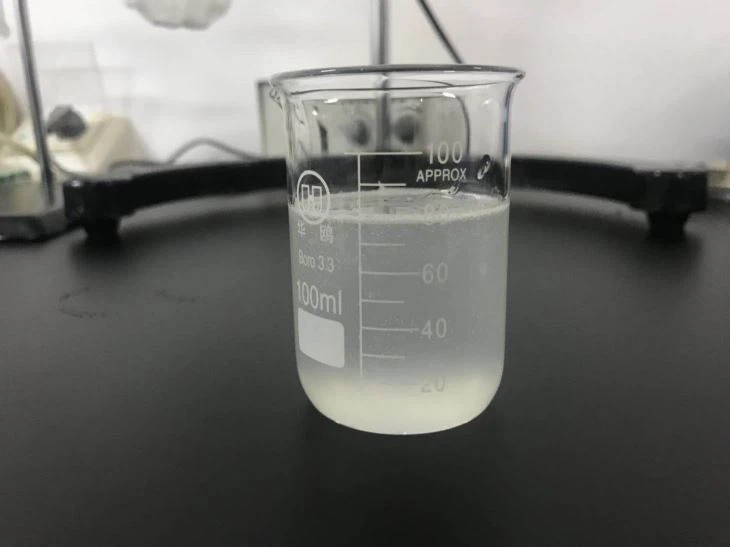
Also, cost is a factor. While APG60 has many benefits, we need to make sure that using it in edge computing applications is cost - effective. This means considering not only the cost of the APG60 itself but also the cost of any additional equipment or processes required to incorporate it into the edge computing setup.
Let's talk a bit more about the potential applications. In IoT devices, which are a major part of edge computing, APG60 could be used in the sensors. Sensors need to be clean and accurate to function properly. APG60 - based cleaning solutions could help maintain the performance of these sensors over time.
In industrial edge computing, where harsh environments are common, APG60's stability and resistance to degradation could be a huge advantage. It could be used in protective coatings for hardware, preventing corrosion and other forms of damage caused by exposure to chemicals, moisture, or extreme temperatures.
When it comes to smart cities, edge computing is used for traffic management, environmental monitoring, and public safety systems. APG60 could play a role in ensuring the reliability of the hardware used in these systems. For example, in traffic cameras, APG60 - based cleaning agents could keep the lenses clean, providing clear images for better traffic analysis.
Now, I know some of you might be thinking, "This all sounds great, but how do I know if APG60 is right for my edge computing project?" Well, that's where we come in. As a supplier of APG60, we can work with you to understand your specific needs. We can provide samples for testing and offer technical support throughout the process.
If you're interested in learning more about APG 0810/decyl Glucoside/CAS:68515-73-1 or APG60 for your edge computing applications, don't hesitate to reach out. We're here to help you make the best decision for your project. Whether you're a small startup working on a new IoT device or a large corporation building an industrial edge computing network, we have the expertise and products to meet your requirements.
In conclusion, while there are challenges, APG60 has the potential to be a valuable addition to the edge computing ecosystem. Its thermal stability, surfactant properties, and biodegradability make it an interesting option for various applications in this field. If you're looking to improve the performance, reliability, and longevity of your edge computing hardware, give APG60 a try. Contact us today to start the conversation about how we can work together to make your edge computing project a success.
References:
- "Introduction to Edge Computing" - A general overview of edge computing concepts and applications.
- "Properties and Applications of Alkyl Polyglucosides" - A research paper on the properties of APG compounds including APG60.