




Hey there! As a supplier of APG 1214, I often get asked about its chemical stability. So, I thought I'd sit down and write a blog post to share what I know.
First off, let's talk about what APG 1214 is. APG 1214, also known as Lauryl Glucoside with the CAS number 110615 - 47 - 9, is an alkyl polyglucoside. You can find more info about it here: APG 1214/lauryl Glucoside/CAS:110615 - 47 - 9. It's a non - ionic surfactant that's derived from natural raw materials like fatty alcohols and glucose. This makes it an environmentally friendly and mild option, which is why it's widely used in a variety of industries, such as personal care, household cleaning, and industrial applications.
Now, let's dive into the chemical stability of APG 1214. Chemical stability refers to a substance's ability to resist chemical changes under different conditions. For APG 1214, it has some pretty good stability characteristics.

Stability in Different pH Environments
One of the key factors that can affect the stability of a chemical is the pH of its environment. APG 1214 shows excellent stability over a wide pH range. In acidic conditions, it can remain stable at pH values as low as 2 - 3. This means that it can be used in acidic formulations like some skin - exfoliating products or acidic cleaning agents without significant degradation.
On the other hand, in alkaline environments, APG 1214 can tolerate pH values up to around 12. This makes it suitable for use in alkaline cleaning products, such as heavy - duty laundry detergents or industrial degreasers. Its stability across this broad pH spectrum gives formulators a lot of flexibility when creating different types of products.
Thermal Stability
Another important aspect of chemical stability is thermal stability. APG 1214 has a relatively high thermal stability. It can withstand temperatures up to about 100°C without major decomposition. This is great news for processes that involve heating, like the manufacturing of some personal care products where heat may be used during emulsification or other production steps.
However, it's important to note that if the temperature is increased significantly beyond this range, the stability of APG 1214 may start to decline. Prolonged exposure to high temperatures can cause some chemical reactions to occur, leading to a decrease in its effectiveness as a surfactant.
Stability in the Presence of Other Chemicals
APG 1214 also shows good compatibility and stability when mixed with other chemicals. It can be combined with a variety of other surfactants, such as anionic, cationic, and amphoteric surfactants. This is really useful because in many formulations, multiple surfactants are used together to achieve different performance goals, like better foaming, cleaning power, or emulsification.
For example, when used in a shampoo formulation, APG 1214 can be mixed with an anionic surfactant like sodium lauryl sulfate. The two surfactants work together to provide a good balance of cleaning power and mildness. And since APG 1214 is stable in the presence of other chemicals, it doesn't react negatively with them, ensuring the overall stability and performance of the product.
Storage Stability
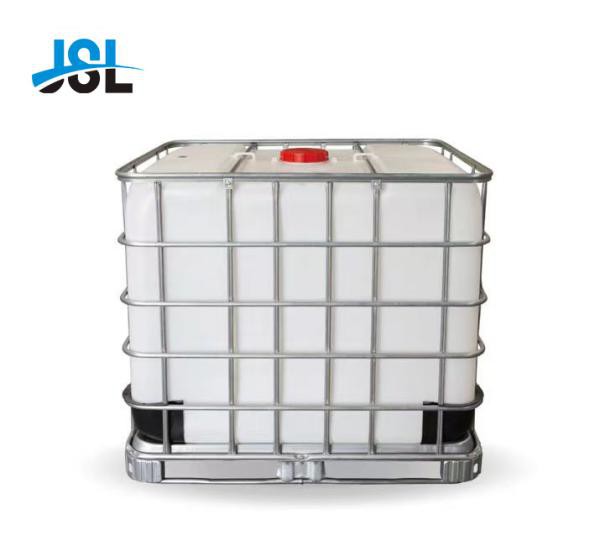
When it comes to storage, APG 1214 is quite stable as well. If stored in a cool, dry place away from direct sunlight and sources of heat, it can have a long shelf - life. Typically, it can be stored for up to 1 - 2 years without significant loss of quality.
But there are a few things to keep in mind. If the storage conditions are not ideal, for example, if it's stored in a very humid environment, there's a risk of microbial growth. Microbes can break down the APG 1214 over time, affecting its performance. So, it's important to store it in proper containers and under the right conditions to maintain its stability.
Applications Benefiting from Its Stability
The chemical stability of APG 1214 makes it a popular choice in many applications. In the personal care industry, products like body washes, shampoos, and facial cleansers can benefit from its stability. Since it can tolerate different pH levels and is stable in the presence of other ingredients, it can provide a gentle yet effective cleaning experience for consumers.
In the household cleaning sector, APG 1214 is used in all - purpose cleaners, dishwashing liquids, and laundry detergents. Its stability in different pH and temperature conditions allows these products to maintain their performance over time.
For industrial applications, it can be used in metal - cleaning agents, textile - processing chemicals, and more. Its stability helps ensure the efficiency of these industrial processes. You can learn more about a specific type of APG 1214, Lauryl Glucoside 1200UP, here: Lauryl Glucoside 1200UP.
Why Choose Our APG 1214?
As a supplier, we take pride in offering high - quality APG 1214. We ensure that our product has consistent chemical stability by following strict quality control measures during production. Our APG 1214 is tested regularly to meet the highest industry standards.
We also have a team of experts who can provide technical support to our customers. Whether you're a small - scale formulator or a large - scale manufacturer, we can help you with any questions you may have about using APG 1214 in your products.
If you're interested in purchasing APG 1214, you can check out our product details here: APG 1214/lauryl Glucoside/CAS:110615 - 47 - 9. We're always open to having a chat about your specific needs and how our APG 1214 can fit into your formulations. So, don't hesitate to reach out if you want to start a procurement discussion.
References
- "Surfactants in Consumer Products: Theory, Technology, and Application" by J. Falbe.
- Various industry reports on alkyl polyglucosides and their applications.